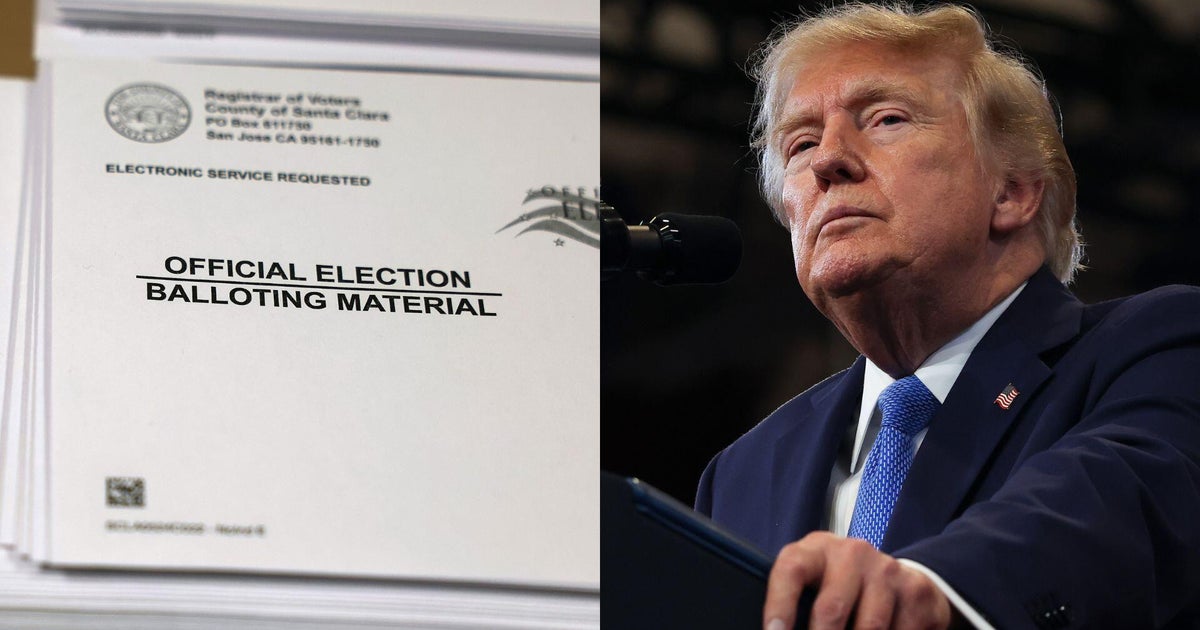
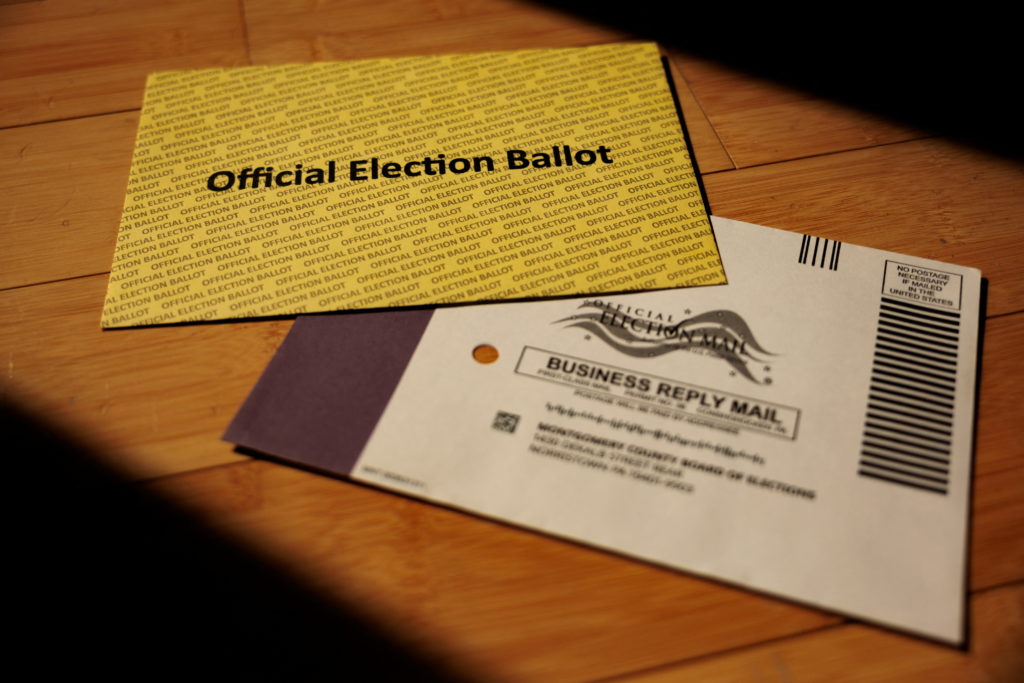
- Voting rights groups Wednesday challenged the U.S. Postal Service’s published rule that would implement parts of President Donald Trump’s anti-mail voting executive order, seeking to block the suppressive voting measures before the midterms.
- The challenge, led by the League of Women Voters of Massachusetts, argued the rule gives the USPS 'election regulator' status it does not have under the Constitution.
- They asked the district court for both a short-term and permanent block to thwart the rule’s implementation, asking U.S. District Court Judge Indira Talwani to promptly weigh in on the motion for an immediate temporary restraining order and to rule on their motion for a preliminary injunction by Sept. 9.
- Because the rule would inflict confusion and disorder in the run-up to November midterm elections, plaintiffs argued, it will cause a logistical nightmare that 'imminently risks disenfranchisement.'
- In 2022, USPS deemed itself to have 'no role in determining the extent to which mail is used for participating in elections, the design of ballots or return envelopes, or whether or how ballots are counted.'
- This authority allows the USPS to regulate states’ designs for mail ballots, force states to adopt the new standards and altogether refuse ballots that do not meet them.
- Under the rule, plaintiffs said the USPS can also act as 'arbitrator of state laws,' deciding when states send out mail ballots and rejecting voters from state lists who do not meet the stated deadline.
- 'The Final rule attempts to disguise as a technical procedure what is really granting itself authority to enforce state election laws,' the filing reads.
Voting rights groups are contesting a new U.S. Postal Service rule that implements parts of President Trump's anti-mail voting executive order. The rule mandates states to register mail-in voters with USPS and approve new ballot envelopes, raising concerns about potential voter disenfranchisement.2567
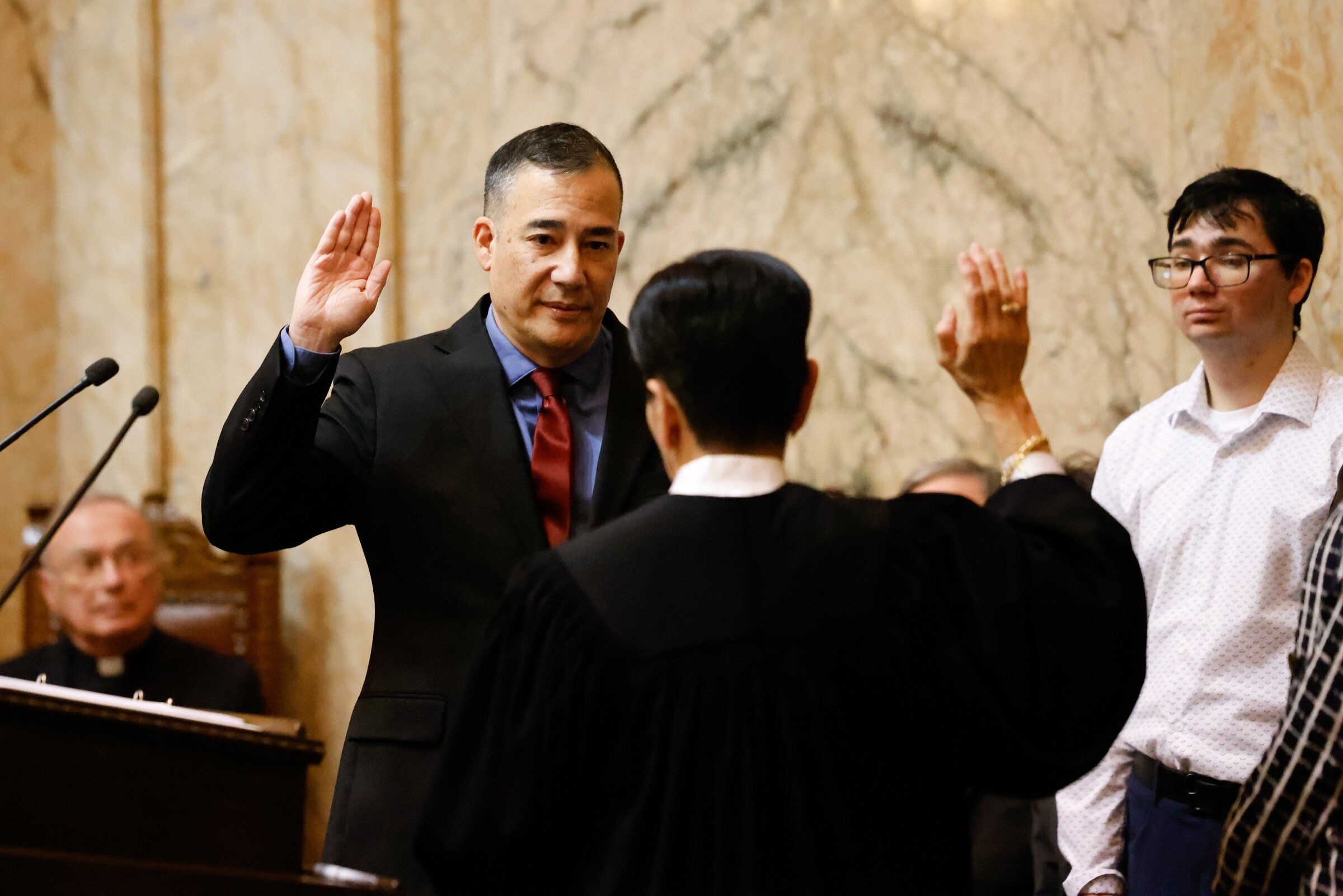
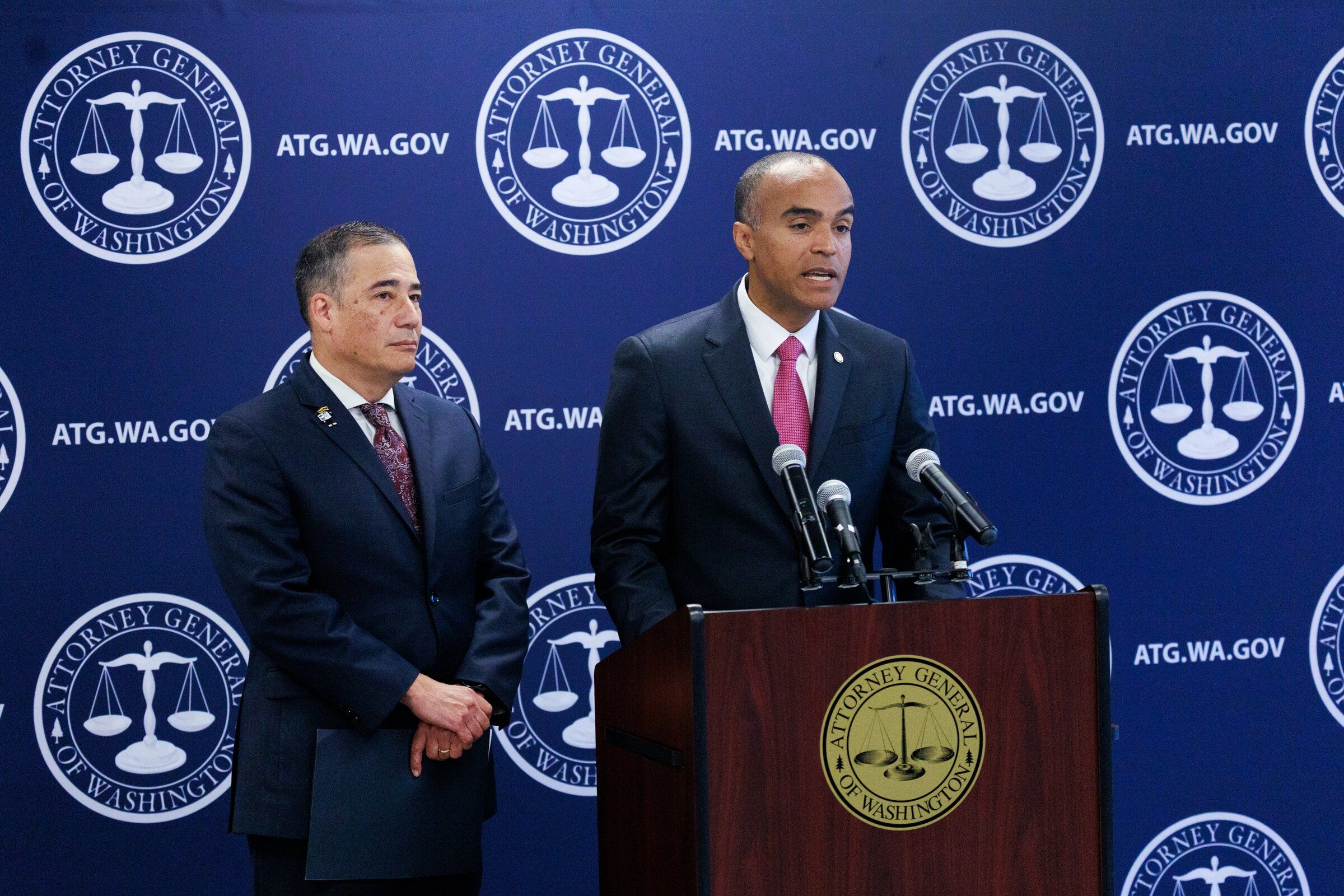
Maine's Attorney General, Aaron Frey, has filed a lawsuit against USPS, claiming the changes could lead to errors and disenfranchise eligible voters. The lawsuit argues that the rushed and untested changes could create confusion ahead of the November midterm elections.4
The League of Women Voters of Massachusetts is leading the challenge, asserting that the rule grants USPS an unconstitutional role as an “election regulator.” The plaintiffs argue that this authority allows USPS to dictate state mail ballot designs and reject ballots that do not meet new standards.
The rule also positions USPS as an arbiter of state laws, determining when states can send out mail ballots and rejecting voters from state lists who miss deadlines. The plaintiffs contend that this could lead to a logistical nightmare and “imminently risks disenfranchisement.” They are seeking both a short-term and permanent block against the rule's implementation, urging U.S. District Court Judge Indira Talwani to act swiftly on their request for a temporary restraining order and a preliminary injunction by September 9.
“The challenge, led by the League of Women Voters of Massachusetts, argues the rule grants USPS 'election regulator' status it lacks under the Constitution. Plaintiffs warn of a 'logistical nightmare' risking disenfranchisement, and have asked Judge Indira Talwani to rule on a preliminary injunction by Sept. 9.”
 WGME
WGME