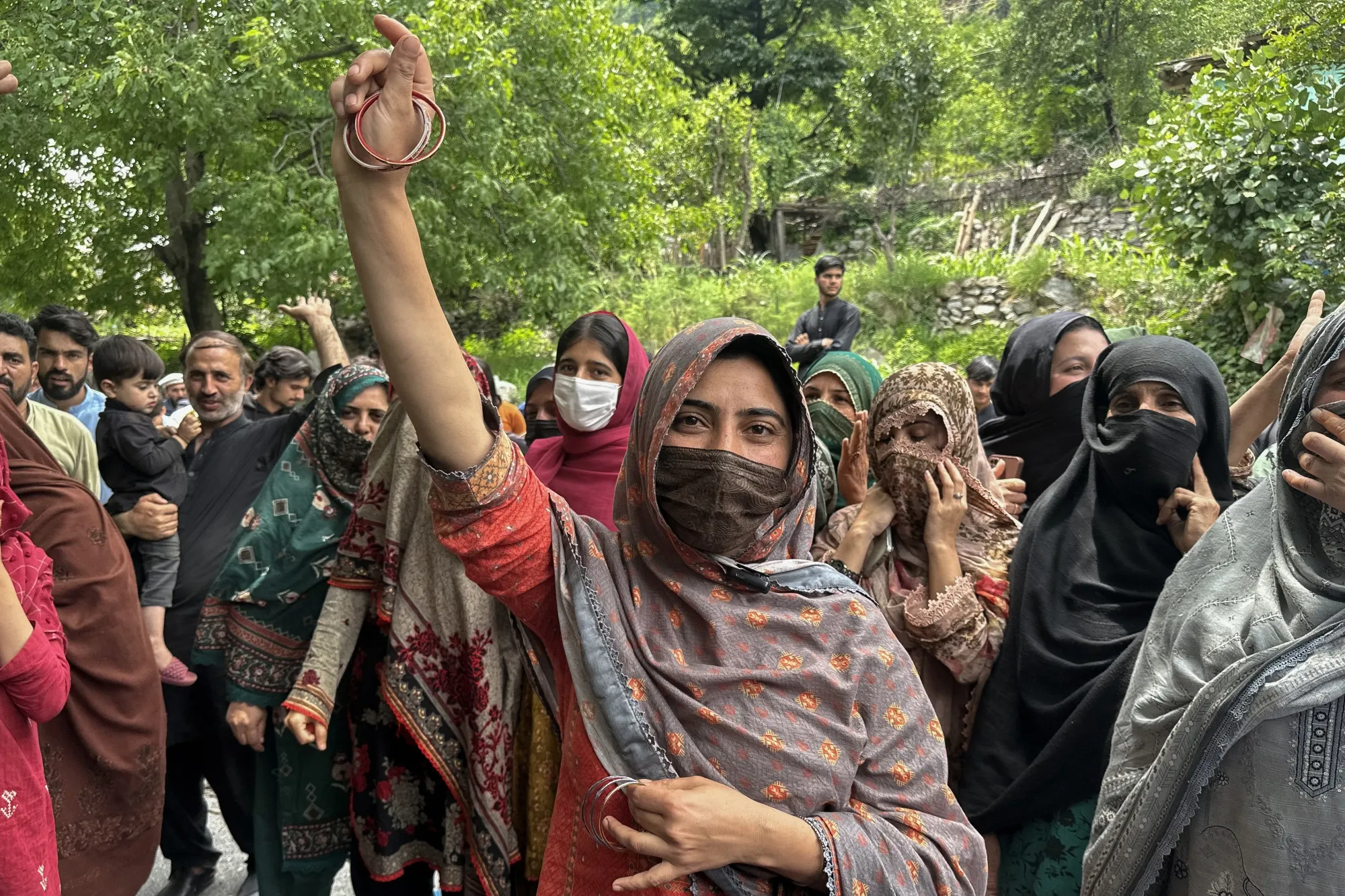
- Polling originally scheduled for a single day will now take place in three phases — on July 27, Aug. 2 and Aug. 10, after the Election Commission revised the program to ensure transparency and fairness in the process.
- Voters in the Pakistan-administered part of the disputed Kashmir region head to the polls in July and August to elect members of the territory’s Legislative Assembly.
- The vote will determine 45 of the 53 members of the Legislative Assembly of Pakistan-administered Kashmir.
- The election has been overshadowed by a dispute over 12 assembly seats that are elected exclusively by refugees from India-administered Kashmir living outside the territory, which critics argue gives non-residents undue influence over the territory’s politics.
- The election is also the first major political test for Islamabad since widespread protests over the past two years exposed deep public frustration over rising living costs.
- The election comes at a time of heightened tensions between India and Pakistan following military clashes in 2025.
Voters in Pakistan-administered Kashmir are preparing for elections scheduled for July and August, which will occur in three phases on July 27, August 2, and August 10. This election is crucial as it will determine 45 of the 53 members of the Legislative Assembly, marking a significant political event in the region.12
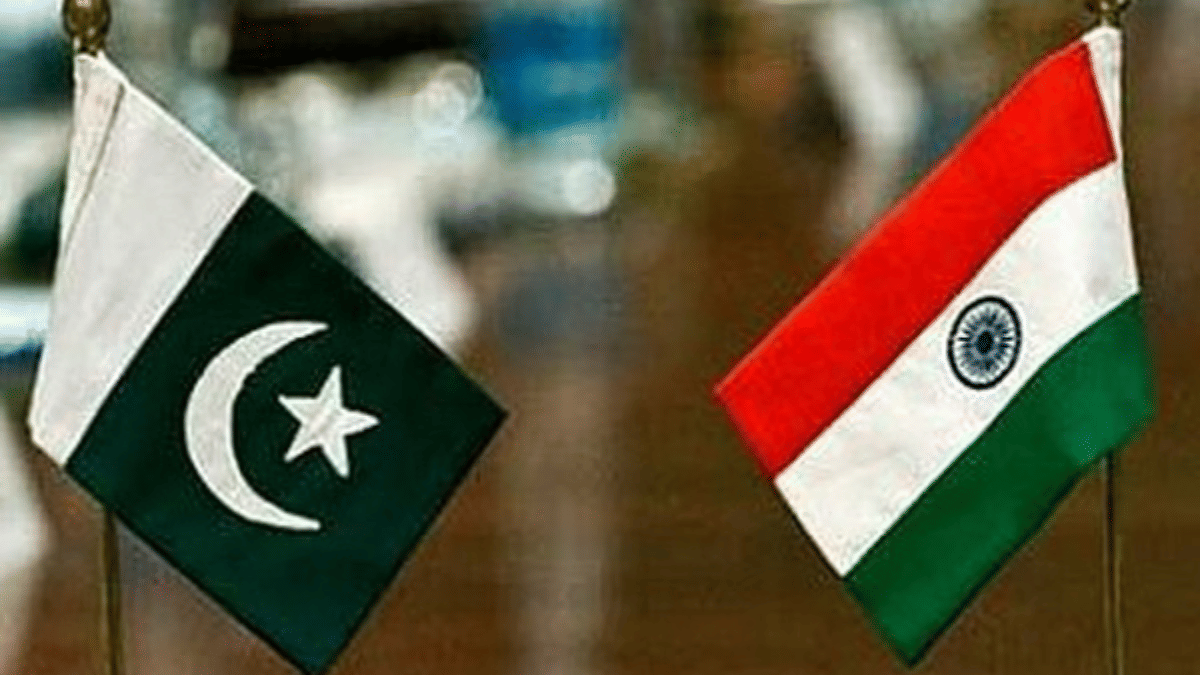
The elections come amid rising tensions between India and Pakistan and are seen as a test for Islamabad following widespread protests over increasing living costs. The campaign has been marred by controversy, particularly regarding 12 assembly seats that are exclusively elected by refugees from India-administered Kashmir, raising concerns about non-residents influencing local politics.456
The Election Commission has revised the polling schedule to enhance transparency and fairness, responding to political party consultations. This election, held every five years, will not resolve the long-standing territorial dispute over Kashmir but will be closely monitored by both nations as they seek to strengthen their narratives regarding the region.

“The vote will be an important test for the region,” an analyst noted, emphasizing the significance of this electoral process in the context of ongoing political and social challenges.3
“The election will determine 45 of the 53 members of the Legislative Assembly and is seen as a crucial test for Islamabad amid rising public frustration over living costs. Controversy surrounds the 12 assembly seats elected exclusively by refugees from India-administered Kashmir, raising concerns about their influence on local politics.”




