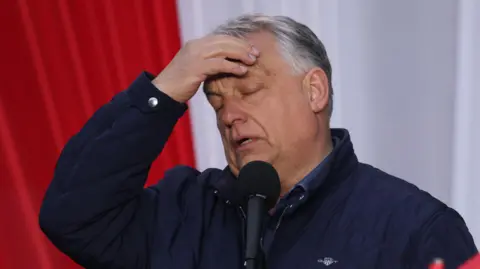
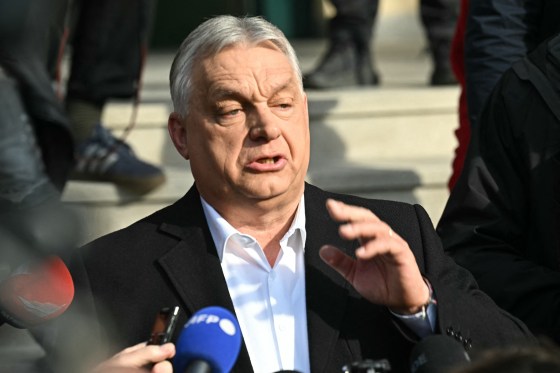
Viktor Orbán announced he will step down from parliament following a significant electoral defeat, marking the end of his 16-year leadership in Hungarian politics. In the parliamentary elections on April 12,
Orbán’s Fidesz party suffered a landslide loss, garnering only 52 seats compared to the opposition party Tisza's 141 seats.
In a video statement, Orbán expressed his commitment to
reorganizing Fidesz during a crucial transition period.
Orbán stated,
“Our task now is not in parliament, but in the reorganization of my political camp,” indicating a strategic pivot towards rebuilding.
The incoming Prime Minister Péter Magyar has promised to address
widespread corruption and restore democratic institutions that critics allege were compromised under Orbán’s tenure.
Orbán’s role as a pivotal figure in Hungarian politics has been underscored by his continuous presence in parliament since 1990, making this transition notably significant.
Despite retaining his MP status through the party's proportional representation list, he emphasized that
“the mandate I obtained is, in fact, a parliamentary mandate of Fidesz,” choosing to prioritize party restructuring instead of maintaining a parliamentary seat.
As Fidesz undergoes this transformation, the future of Orbán’s leadership will be evaluated at a party conference scheduled for June.
The new parliament will convene for its first session on May 9.
Sources: 
Hungarian Prime Minister Viktor Orbán is stepping down from parliament following a landslide election defeat, ending his 16-year rule. While he will vacate his parliamentary seat, Orbán intends to remain the leader of the Fidesz party, focusing on its restructuring for future political battles.