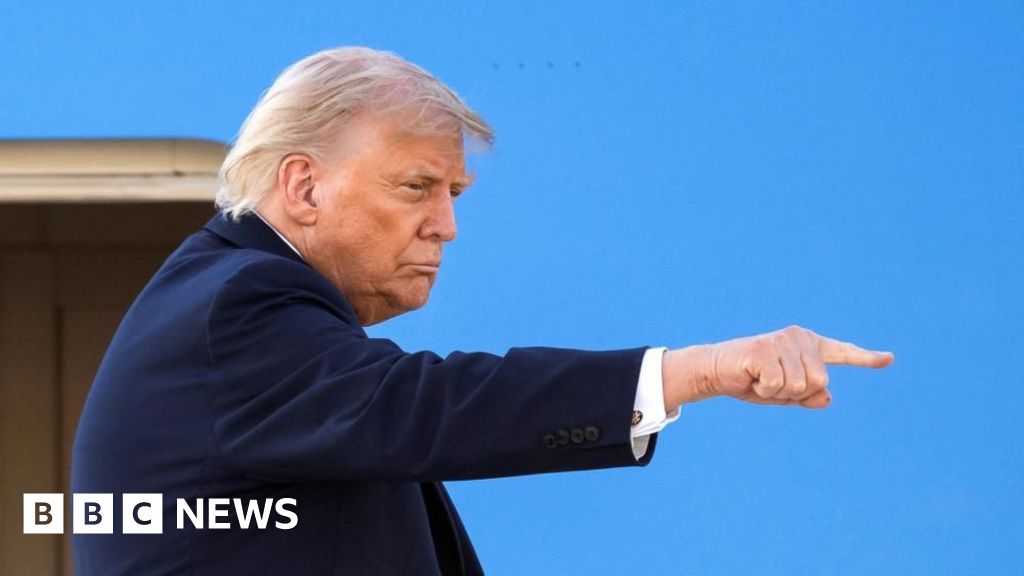
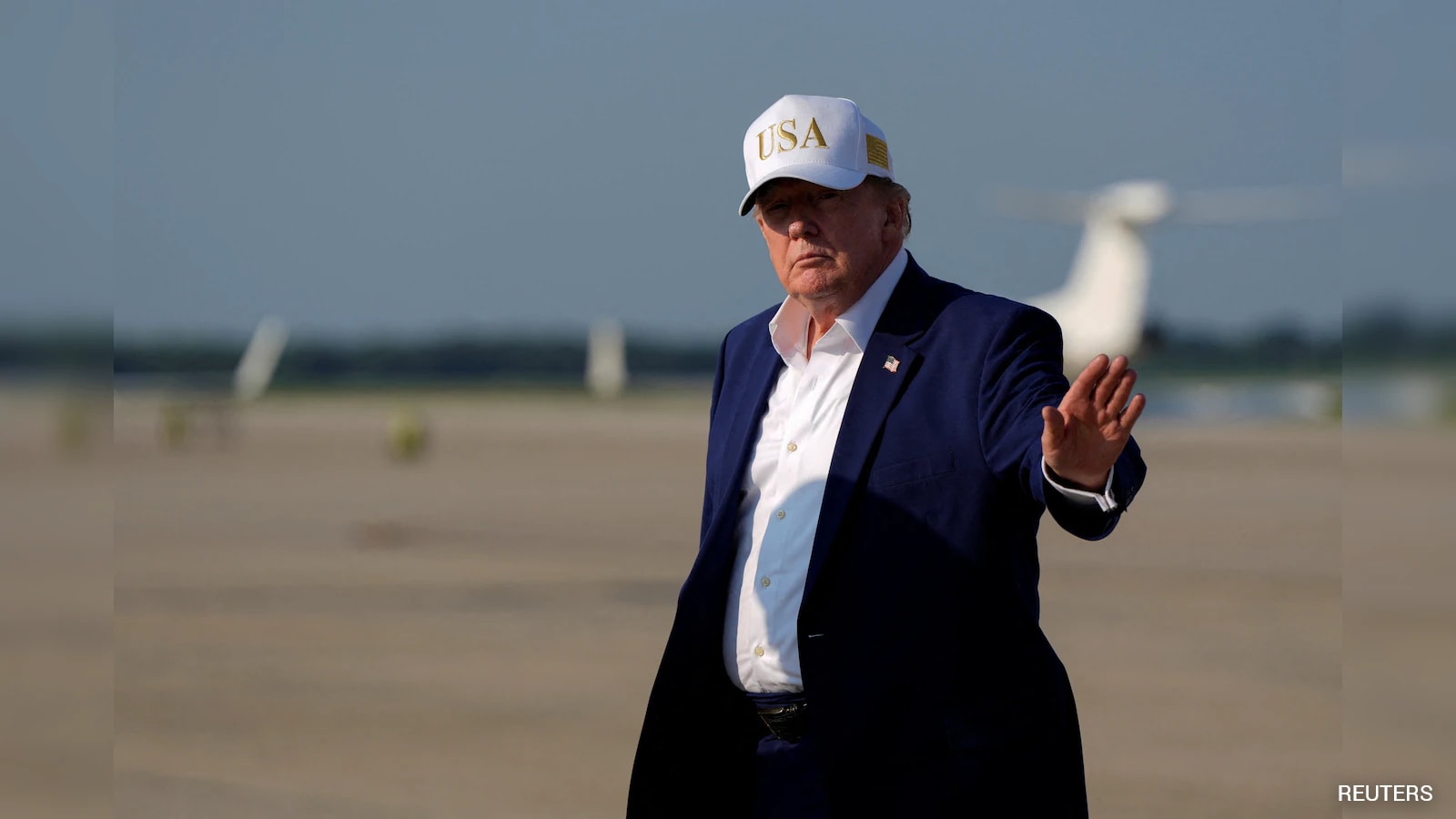
- In March 2000, President Bill Clinton used a decoy aircraft during a high-risk visit to Pakistan, landing in Islamabad on an unmarked executive jet while another US-marked plane arrived first to create a diversion.
- Susan Page, who served as the chief of the White House Correspondents' Association at the time, revealed that officials called her for an off-the-record briefing about the security procedures, including the decoy plane.
- After 26 years, Page disclosed the briefing, noting the ruse became evident when Clinton disembarked in Islamabad.
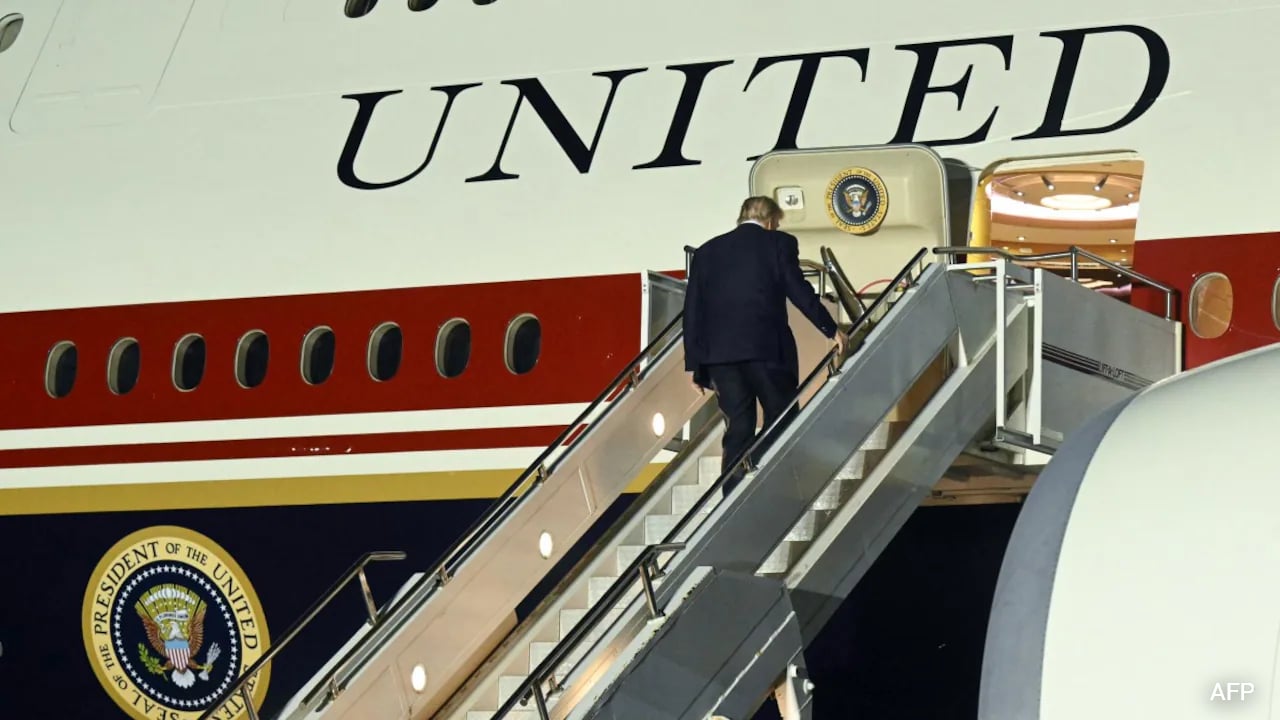
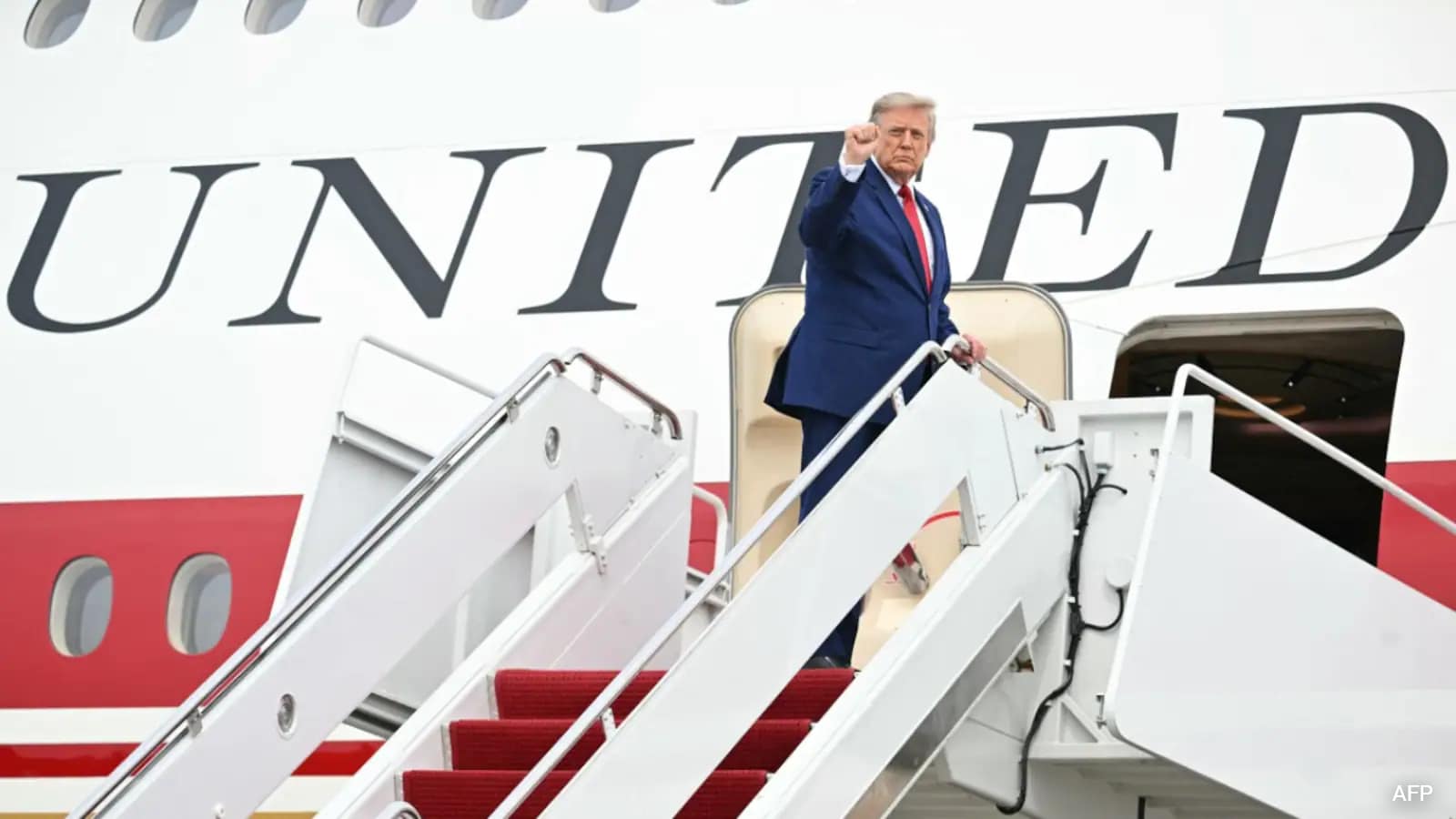
- Recently, The Washington Post reported that Trump secretly switched aircraft while departing Turkey due to a credible Iranian threat, using a decoy plane and a lookalike, with journalists kept in the dark.
- The security plan for Clinton's visit involved two C-20 Gulfstream executive jets, with a marked aircraft landing first to mislead potential threats.
- The Trump operation was executed without informing journalists about the switch in planes or the severity of the threat, with media members directed to keep their window shades lowered.
A veteran White House reporter, Susan Page, disclosed that the Clinton administration held a briefing for journalists before employing a decoy aircraft during President Bill Clinton's high-risk visit to Pakistan in March 2000.1
"They told me about the extraordinary security procedures being taken because of the dangers in flying there, including use of the decoy plane," Page said.
The operation involved a marked Air Force One plane landing first, while Clinton arrived on an unmarked jet to mitigate assassination risks from al-Qaeda.
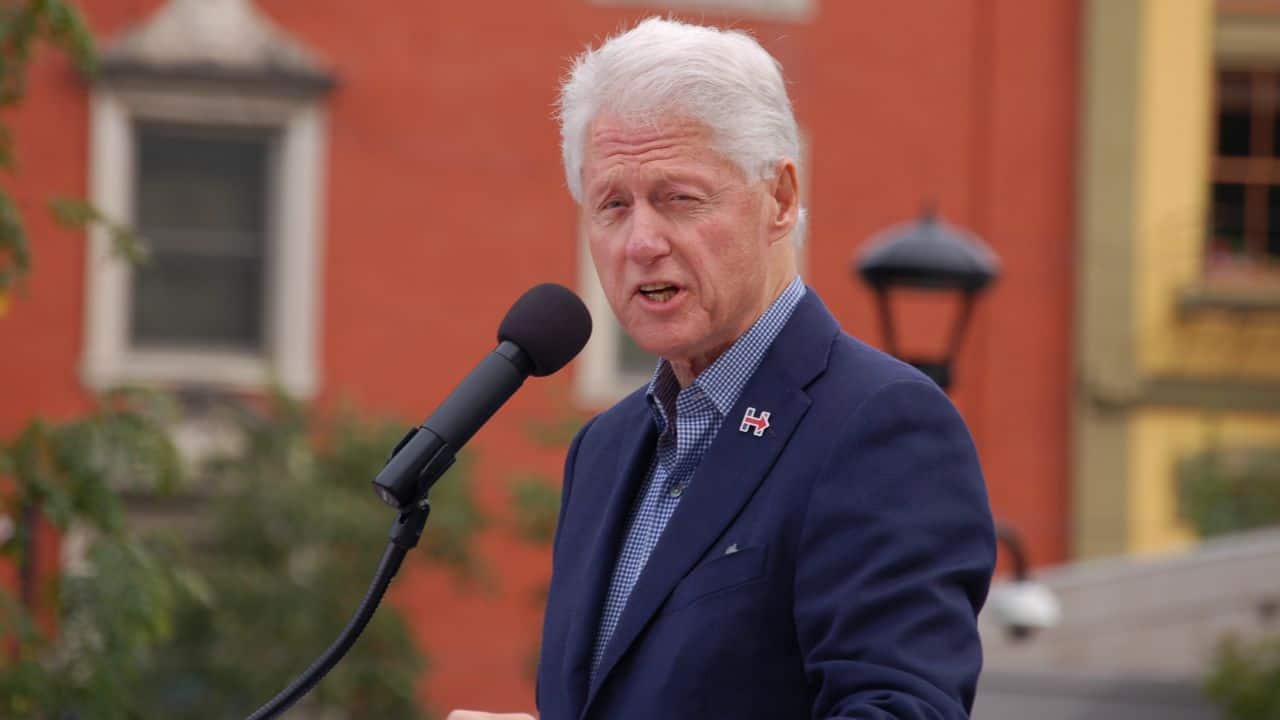
"I haven't spoken about this episode before, because of the off-the-record ground rules of the discussion," Page noted, explaining her decision to reveal the information after 26 years.3
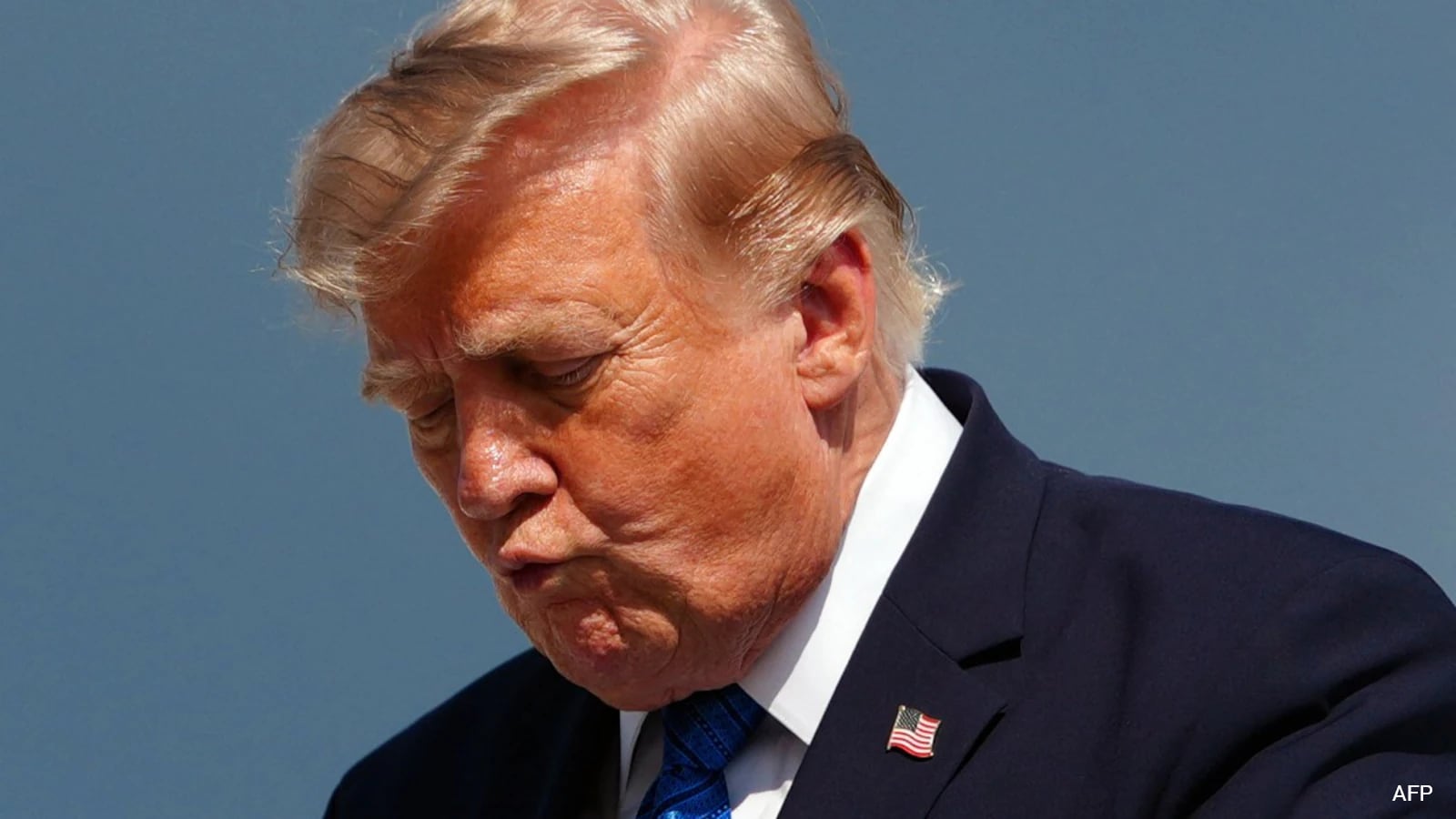
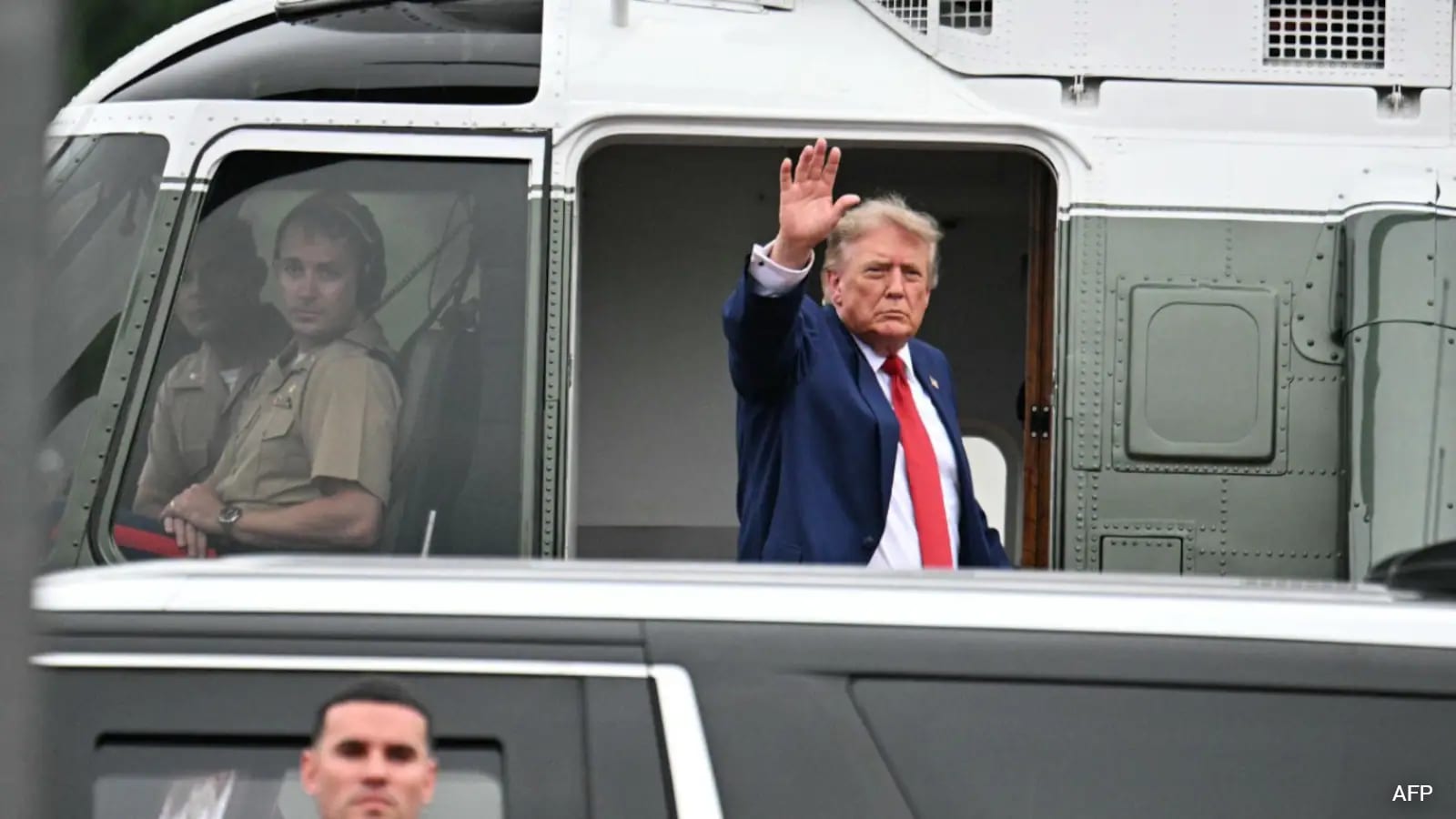
In a parallel situation, President Donald Trump recently switched aircraft during a trip from Turkey due to a credible Iranian threat.
According to *The Washington Post*, Trump was seen boarding the former Air Force One but was secretly moved to a smaller C-32A military aircraft, with journalists misled into believing he remained on the larger plane.
White House communications director Steven Cheung defended the security measures, stating, "As the President has said recently, there are many enemies of America who seek his demise, and we use every tool at our disposal to address those threats."
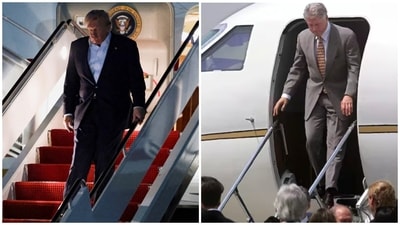
Trump later remarked, "But if I go, you go. Right?"
The Clinton visit's decoy strategy was designed to obscure the president's actual location, as intelligence indicated threats against him.
"He felt bad for the pilots who flew an empty decoy plane with the markings of Air Force One, but this nerve-racking mission was their job," a source noted.
“Page said the off-the-record briefing detailed extraordinary security procedures because of dangers to journalists and Clinton. The Washington Post reported Trump was moved via catering truck to an unmarked C-32A, with media told to lower window shades.”