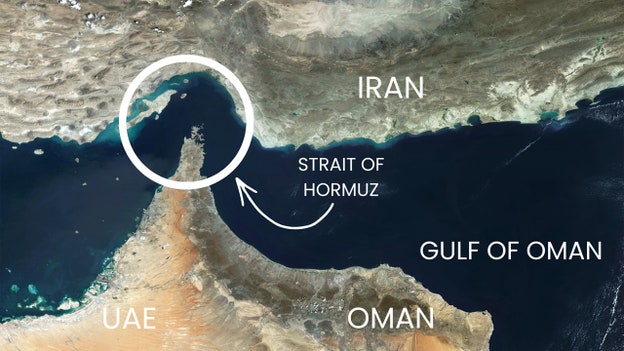
- The United Arab Emirates accused Iran of again attacking one of its vessels in the Strait of Hormuz, with a tanker owned by Abu Dhabi's state-owned oil and gas company ADNOC attacked while transiting the strait, according to the Emirati state-run WAM news agency.
- There were no injuries in the Friday evening attack, and it was the third such attack on a vessel operated by ADNOC in the critical waterway in the last week.
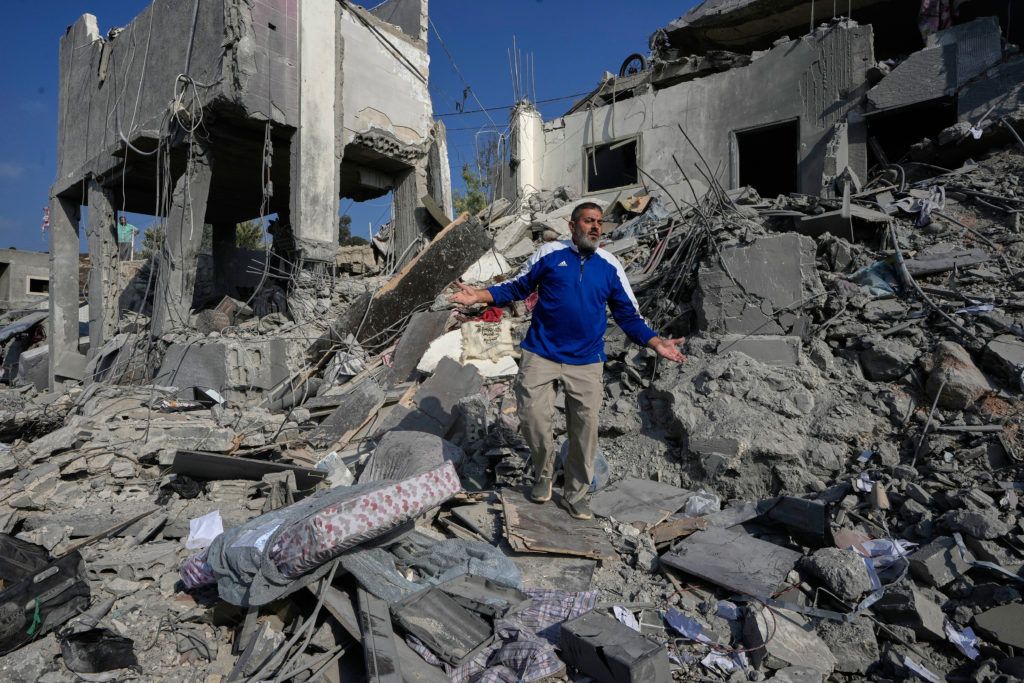
- Israeli airstrikes on southern Lebanon killed at least 11 people Saturday, with one strike targeting a home on the edge of the village of Ansar, killing seven people, including three children.
- The second strike on the village of Deir al-Zahrani killed four and wounded 17.
- Israel’s military reported that it killed a Hezbollah battalion commander and several other militants at a headquarters in southern Lebanon in response to the group’s actions against Israeli soldiers.
- The United Arab Emirates called on Iran to stop the unprovoked strikes, while the United Kingdom Maritime Trade Operations center reported that a bulk carrier was struck in the hull by an unknown projectile on Friday.
- Iran asserted control over the strait after the war started on Feb. 28 with U.S. and Israeli strikes, with about one-fifth of the world’s traded oil and natural gas passing through the waterway before then.
- Talks between the U.S. and Iran have stalled while Iran is in discussions with Oman about managing the strait, which had been considered an international waterway.
Tensions in the Middle East are escalating rapidly as Iran's actions in the Strait of Hormuz and Israel's military operations in Lebanon intensify.12
The United Arab Emirates reported that an Emirati vessel was attacked in the strategic waterway, marking the third attack in a week. The Emirati state-run WAM news agency confirmed that the tanker, owned by Abu Dhabi’s state-owned oil and gas company ADNOC, was targeted, although there were no injuries reported.34910
In response, the UAE has called on Iran to cease its unprovoked strikes. The situation is further complicated by Iran's assertion of control over the strait following the onset of conflict on February 28, which has significant implications for global oil and gas trade.
Meanwhile, Israeli airstrikes in southern Lebanon resulted in the deaths of at least 11 individuals, including three children, according to Lebanon’s Health Ministry. The strikes targeted a home in the village of Ansar and a second strike in Deir al-Zahrani, which killed four and wounded 17.567
Israel's military stated that the airstrikes were a response to actions by Hezbollah, claiming they killed a Hezbollah battalion commander and several militants. Prime Minister Benjamin Netanyahu's office indicated that three Israeli soldiers were seriously injured due to an explosive drone.8
This escalation marks one of the deadliest days since the announcement of a framework agreement for Israeli withdrawal from southern Lebanon, which Hezbollah has refused to engage with directly.
Analysts suggest that these developments reflect Iran's strategy to increase pressure on the U.S. and its allies in the region.
“The Israeli strike in Lebanon was part of a broader escalation, with Iran asserting control over the Strait of Hormuz after the war began Feb. 28. About one-fifth of the world's traded oil and natural gas passed through the waterway before the conflict.”


 AP News