- A high school football player in Arkansas unknowingly practiced with a venomous snake in his helmet for nearly an hour.
- After warmups, the player felt unusual movement inside his helmet and brought it to an assistant coach for inspection.
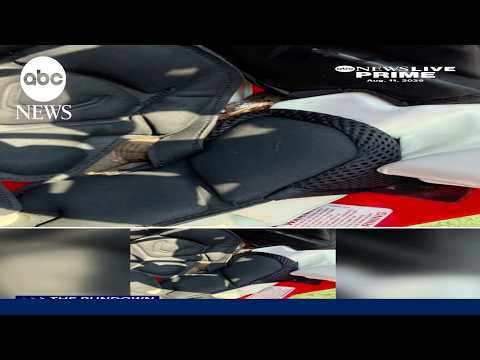
- A two-foot cottonmouth was discovered behind some padding in the helmet.
- Police officers had to pour water into the helmet to force the snake out and into a bag.
- Animal services identified the snake as a deadly cottonmouth and relocated it to a wooded area.
- After the incident, the player grabbed a different helmet and continued practice.
- The head coach reiterated to players to examine their equipment carefully before use.
- The player was fortunate he wasn’t bitten during the incident, according to the Maumelle animal services director.
- Cottonmouths are the second-most venomous snakes found in Arkansas.
- The snake was likely seeking a dark spot to digest food when it entered the helmet.
- Cottonmouths are semiaquatic snakes also known as water moccasins and are among the most commonly encountered venomous snakes in Arkansas.
A high school football player in Arkansas experienced a shocking encounter when he discovered a venomous cottonmouth snake inside his helmet during practice. The incident occurred at Maumelle High, where the student wore the helmet for nearly an hour before feeling unusual movement inside it.1
After warmups, the player brought the helmet to an assistant coach for inspection, leading to the discovery of a two-foot cottonmouth nestled behind the padding. Animal services technicians were called to the scene, and police officers had to pour water into the helmet to coax the snake out, as it was reluctant to exit.34

Chris Davis, the director of animal services, noted that the player was fortunate not to have been bitten. “It was unreal, you had to kind of be there and take pictures to say this was real,” Davis said. The snake was later identified as a cottonmouth, a species known for its venomous bite and commonly found in Arkansas.
Davis explained that the snake likely sought a dark spot to digest food, which led it to the helmet. “That’s why we have weather stripping on our doors, the smallest spots, they can slither in if they would like to,” he added. Following the incident, the head coach reminded players to carefully inspect their equipment for any potential dangers, including insects or snakes. Despite the scare, the player quickly grabbed a different helmet and returned to practice.610
“Animal services director Chris Davis said the player was fortunate not to be bitten, as cottonmouths are the second-most venomous snakes in Arkansas. The snake likely entered seeking a dark spot to digest a recent meal, and the player continued practice with a different helmet.”

 The Guardian



