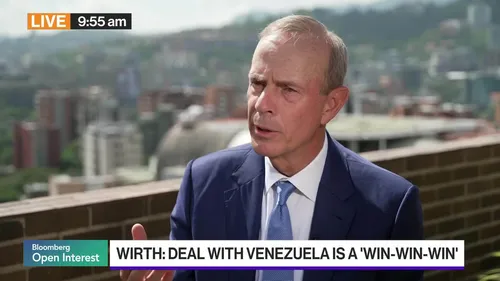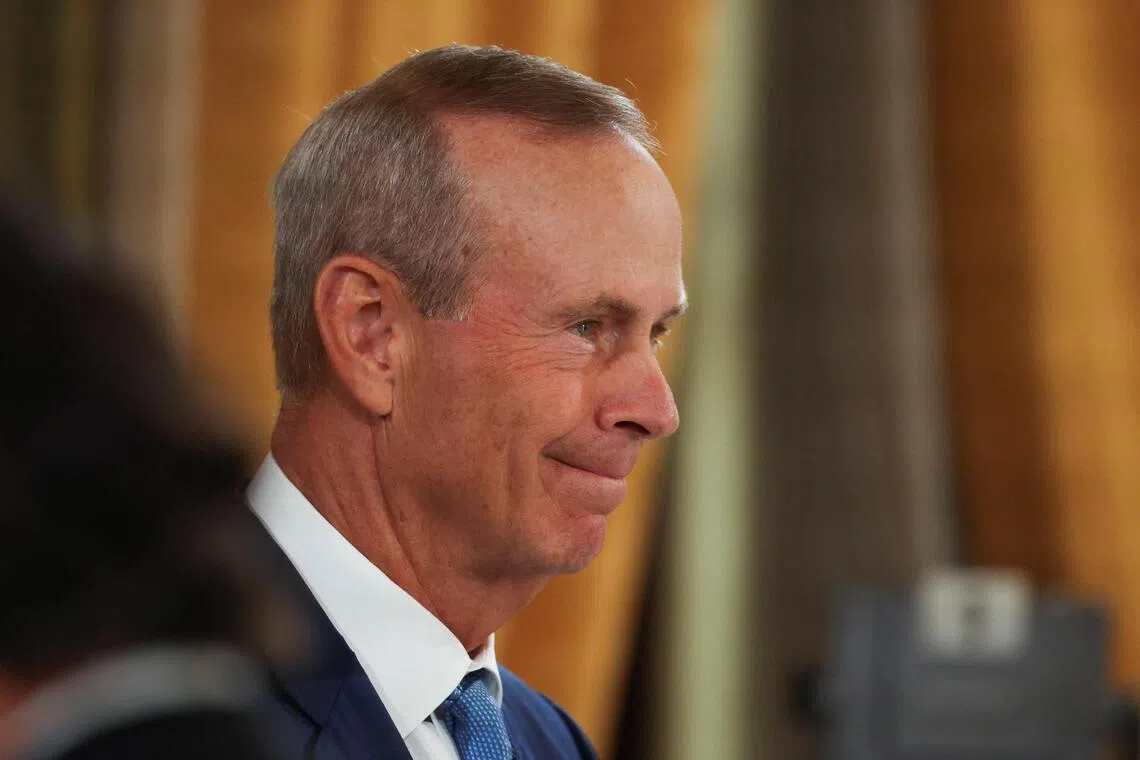
- Chevron CEO Mike Wirth emphasized patience and persistence as key to Chevron's strategy.
- Chevron plans to invest US$7 billion over the next five years through its joint venture partnerships in Venezuela.
- Executives from Chevron, GE Vernova, and Eni joined US Energy Secretary Chris Wright to unveil a wave of energy deals aimed at boosting the nation’s crude production.
- Eni signed a 25-year contract for the Junin 5 field, which has about 35 billion barrels of oil in place.
- US Energy Secretary Chris Wright dismissed claims that Washington was 'stealing Venezuelan oil' after the South American nation granted its northern neighbour access to a huge chunk of its natural resources.
- US President Donald Trump described the pact announced on Friday as 'the biggest oil deal in world history.'
- Chevron expects to produce 600,000 barrels per day within five years at a cost of less than US$20 a barrel.
- At current prices, Chevron's Venezuelan oil would be among the most profitable barrels on the planet.
- Analysts note Chevron's pragmatism and long-term positioning, understanding they were sitting on the largest deposit of oil in the world.
- Wright rejected the headlines, stating that 'the oil in Venezuela is indeed owned by the people of Venezuela.'
- Wright explained that private companies bring the money to produce the oil, but the benefits, royalties, and taxes go to the government and people of Venezuela.
- Wright described the deal as taking an idle, underground asset and bringing the money and technology to develop it.
- Wright stressed the importance of fixing Venezuela's electricity sector, noting that much of the country endures hours-long power cuts daily.
- Wright expressed optimism about the existing infrastructure under a five-year plan.
- Trump rebuffed calls for elections in Venezuela, saying 'I just don't think they're ready yet.'
- Trump noted that the US took them out of a dictatorship and is getting along great with the government.
Chevron's long-standing presence in Venezuela is paying off as the company plans to invest US$7 billion over the next five years, aiming to produce 600,000 barrels of crude daily at under US$20 a barrel. This comes amid a backdrop of US sanctions and political turmoil.
Chevron's CEO Mike Wirth stated, “You have to have some patience and look at this out over time and not become discouraged.” The company has endured significant challenges, including sanctions and accusations of collusion with a corrupt regime. Wirth noted that Chevron's patience has resulted in decades of relationships and operational knowledge that competitors lack.
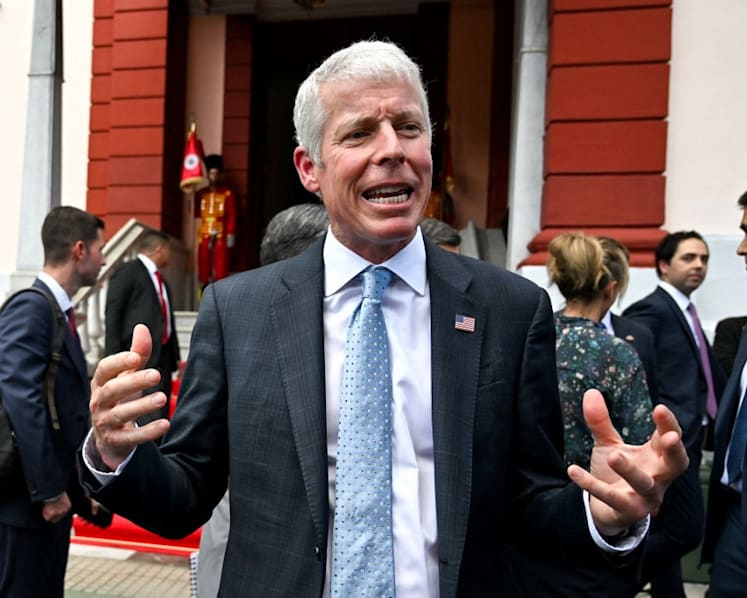
On September 2, US Energy Secretary Chris Wright defended the partnership, stating, “Private companies are bringing the money to produce the oil, but the benefits, the royalties and the taxes all go to the government of Venezuela and the people of Venezuela.” He dismissed claims of the US stealing oil, emphasizing that the resources belong to the Venezuelan people.5
The deal, described by US President Donald Trump as “the biggest oil deal in world history,” comes as the interim government under Delcy Rodriguez navigates a complex political landscape. Rodriguez indicated that elections would occur when “Venezuela is ready.” Meanwhile, Wright highlighted the need to address Venezuela's electricity issues, which have led to daily power cuts.6
“Chevron plans to invest US$7 billion over five years, targeting 600,000 barrels per day at under $20 a barrel. Eni signed a 25-year contract for the Junin 5 field, while Wright stressed fixing Venezuela's electricity sector amid daily power cuts.”