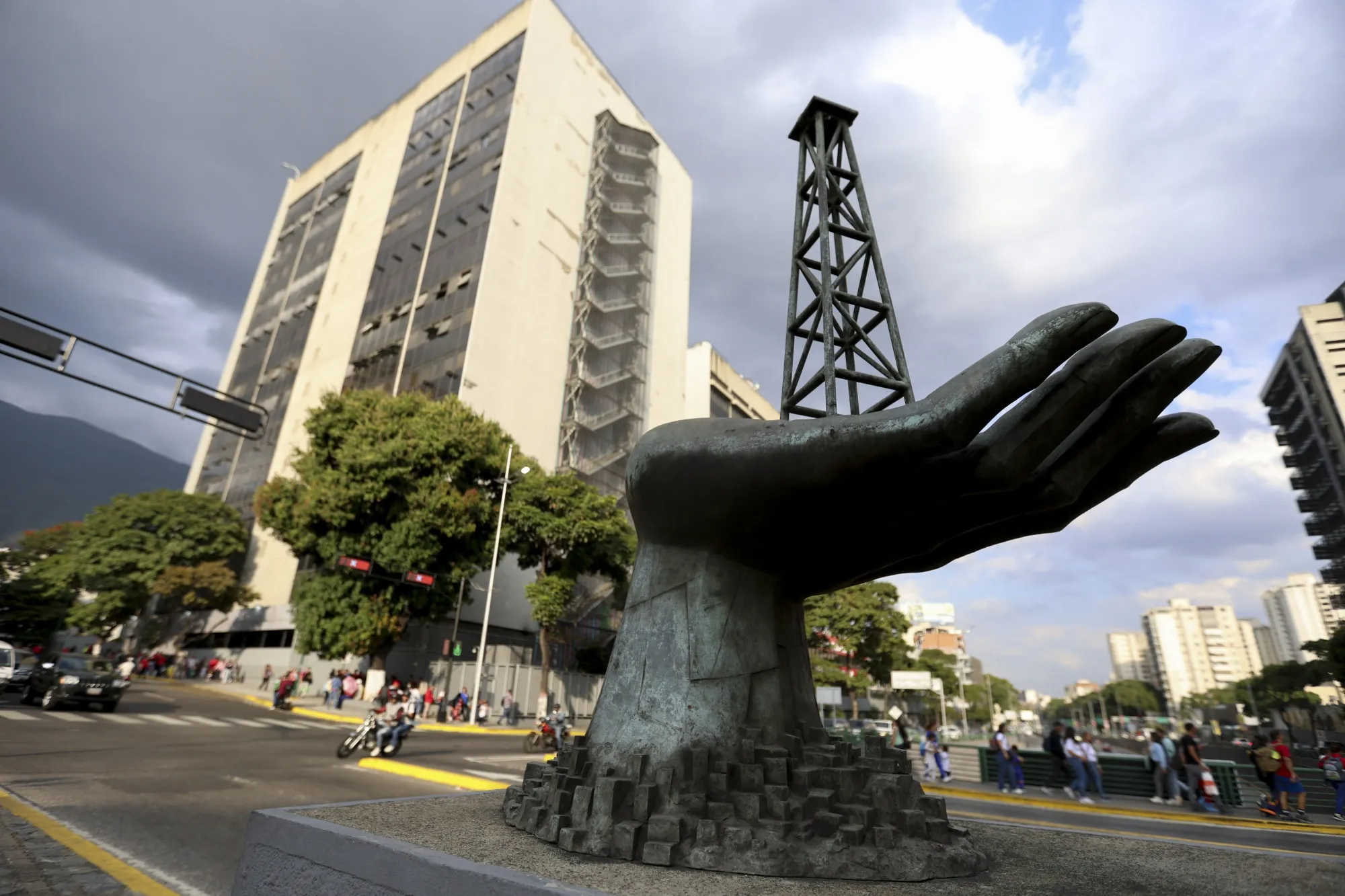
- Reports that the US is preparing to claim a big stake in Venezuela's massive energy reserves have sparked an outcry, with critics describing the move as predatory and a rapacious land grab.
- The Wall Street Journal reported that the US is negotiating a direct stake in more than a dozen oilfields containing 90bn barrels, nearly a third of Venezuela's energy reserves.
- Bloomberg reported that one deal under discussion was a 100-year lease on several oilfields.
- Venezuelan opposition figures and critics condemned the move, with one stating, “It’s a land grab – a massive land grab,” highlighting the sensitivity of criticizing the US.
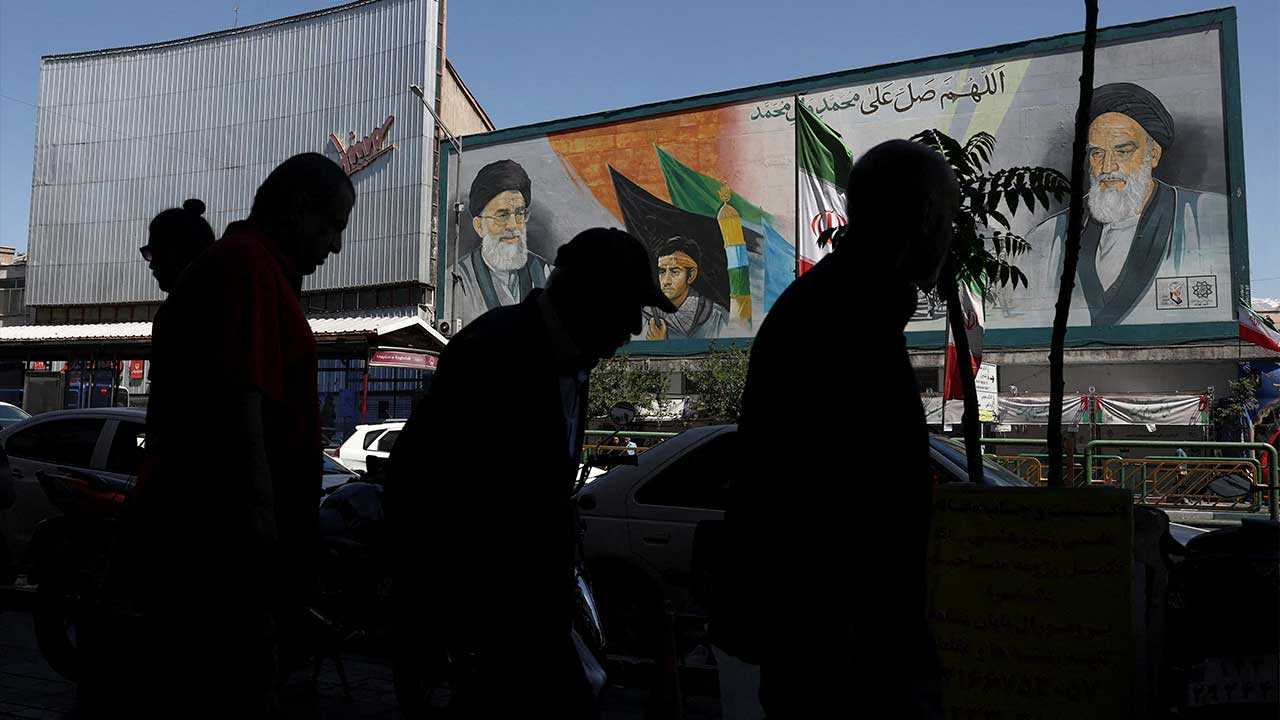
- Venezuela has the world’s largest proven crude oil reserves with an estimated 303bn barrels, compared with Saudi Arabia’s 268bn and Iran’s 208bn.
- Critics, including economist Francisco Rodríguez, have rejected what he called a predatory deal, stating that handing over Venezuela’s oil wealth to the US contravenes the constitution.
- Ricardo Hausmann, an exiled former minister and opposition supporter, stated that an illegitimate interim government has no legitimacy to strike this unconstitutional deal.
Venezuela has the world’s largest proven crude oil reserves with an estimated 303 billion barrels, surpassing Saudi Arabia and Iran. Reports indicate that the U.S. is negotiating for a direct stake in over a dozen oilfields containing 90 billion barrels, nearly a third of Venezuela’s energy reserves.
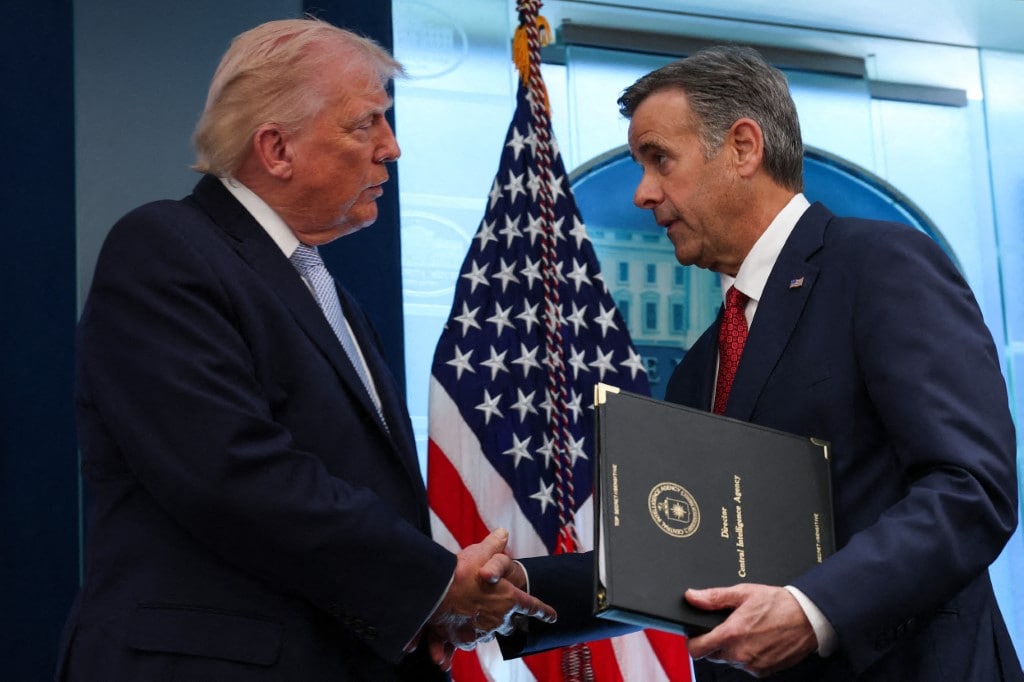
“This is real and being discussed at the highest levels of the US and Venezuelan governments,” a source told Reuters, highlighting the seriousness of the negotiations. Bloomberg reported that one potential deal involves a 100-year lease on several oilfields, raising concerns among Venezuelan opposition figures.3
Critics, including a prominent opposition figure, have labeled the U.S. intentions as “a massive land grab,” expressing outrage over the perceived exploitation of Venezuela’s resources. “It’s revolting because this is not the United States one would have expected. This is a rapacious, mafioso United States,” they stated, reflecting a deep discontent with U.S. foreign policy.1
Economist Francisco Rodríguez condemned the potential deal as “predatory,” asserting that it violates Venezuela’s constitution and undermines the interests of its people, especially when pursued under duress. “Handing over Venezuela’s oil wealth to the US contravenes the constitution and is not in the interest of the Venezuelan people – much more when it is done at gunpoint,” Rodríguez emphasized.6
“The reported deal could involve a 100-year lease on several oilfields, with the Wall Street Journal citing a direct stake in over a dozen fields holding 90bn barrels. Critics, including economist Francisco Rodríguez, argue the deal is unconstitutional and 'done at gunpoint.'”
 The Guardian