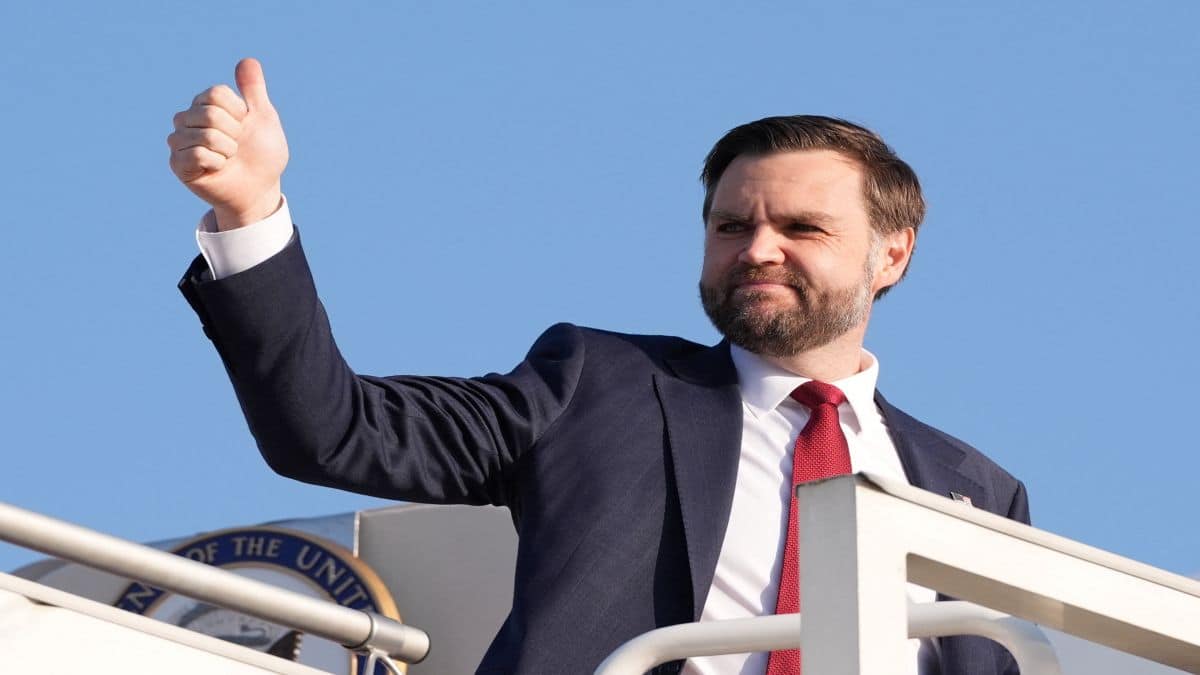
- US Vice President JD Vance stated that Washington is 'in the middle of the game' in its efforts to resolve the Iran crisis and establish a safe route through the Strait of Hormuz.
- In a Fox News interview, Vance mentioned that the US is using 'a host of diplomatic, economic and military tools' to secure the best possible outcome, adding that he is confident and that 'some progress' has been made in talks with Iran.
- Vance expressed expectations that Iran will restore oil and gas flows through the Strait of Hormuz to pre-conflict levels and ensure the safe passage of commercial vessels.
- Iran's IRGC stated that the reopening of the Strait depends on Washington accepting Tehran's conditions, which include $300 billion in compensation and lifting sanctions.
- A US official indicated that progress has been made in talks between Iran and Oman, with expectations of a deal soon that would lift the US blockade of Iranian ports.
- Oman's foreign ministry reported that negotiations regarding navigation arrangements in the Strait of Hormuz are proceeding in a positive atmosphere.
- Iran has laid a large number of mines at the beginning of the conflict, making demining and the creation of a safe maritime traffic system key issues in the ongoing discussions.
- Iran's Foreign Minister Araghchi stated that talks with Oman are 'very close to the final result', but reopening the Strait remains subject to additional conditions.
- The ADNOC vessel was targeted by missiles while transiting the Strait of Hormuz, underscoring the ongoing risks for shippers attempting to cross during the conflict.
US Vice President JD Vance stated that Washington is actively working to establish a safe maritime route through the Strait of Hormuz, where tensions have escalated due to ongoing conflicts.1
Vance noted, “some progress” has been made in talks with Iran, which is under significant pressure to resolve the situation.5
He emphasized the use of “a host of diplomatic, economic and military tools” to secure a favorable outcome, aiming to restore oil and gas flows to pre-conflict levels.3

Vance remarked, “Our expectation is you're going to see the same amount of oil and gas come out of the Gulf that you saw before the conflict started,” but added, “we don't trust. We verify.”
Iran has laid down conditions for reopening the strait, including an end to US threats and lifting sanctions.
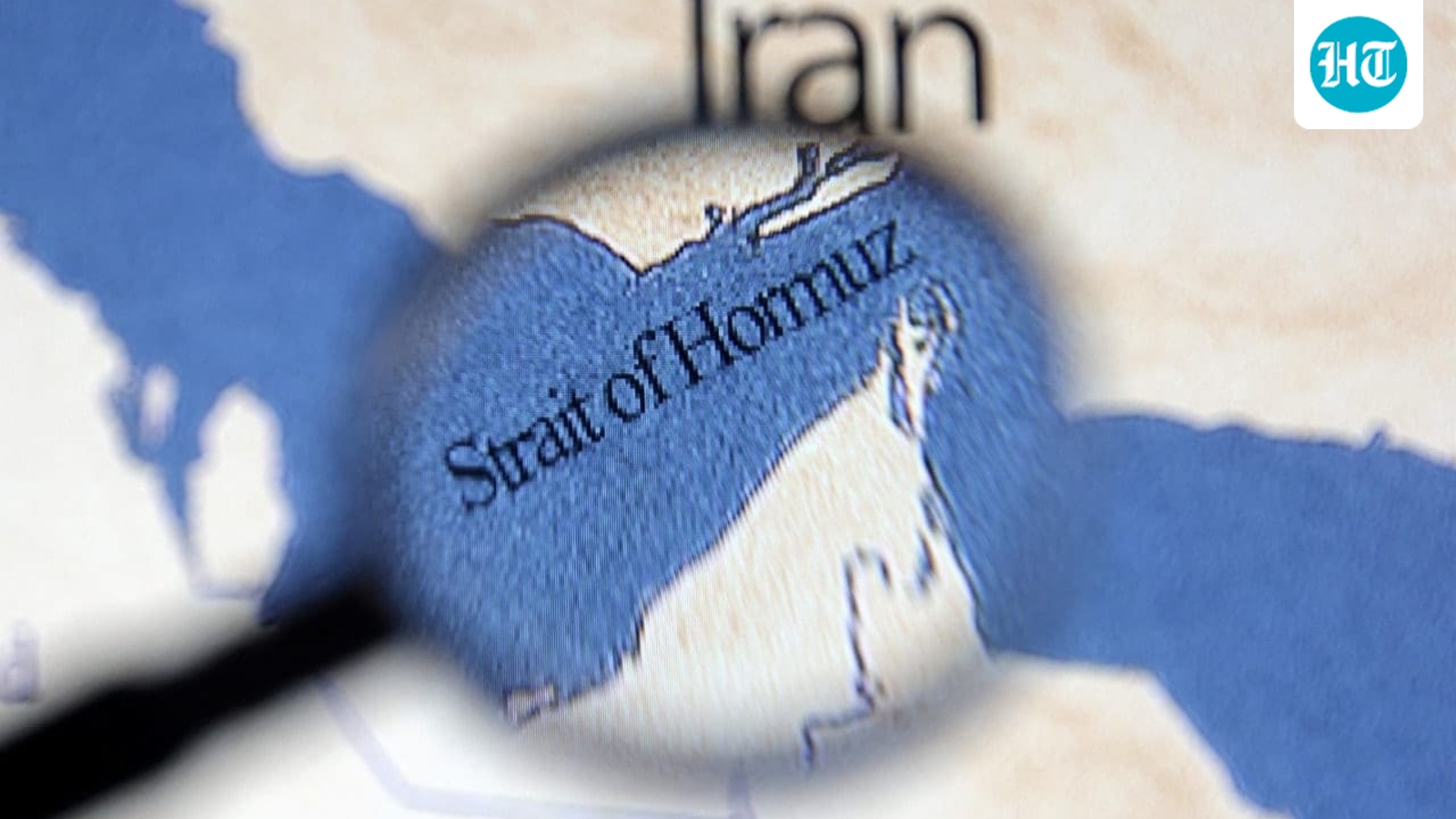
The Iranian Revolutionary Guard Corps (IRGC) stated that the reopening hinges on the US accepting these terms, with spokesperson Hossein Mohebbi asserting, “Whenever the United States accepts Iran’s conditions, the Strait of Hormuz will certainly be reopened.”4
Meanwhile, Oman is facilitating discussions to ensure safe passage for vessels, with Vance highlighting the need for demining efforts and a traffic scheme to ensure safety.7
The situation remains fluid, with both sides navigating complex diplomatic waters amidst ongoing tensions.
“Iran's Supreme National Security Council demands $300 billion in war compensation, lifting all sanctions, and a ban on US and Israeli vessels before reopening the strait. Meanwhile, an ADNOC tanker was hit by missiles in the waterway, underscoring the ongoing risk to shipping.”


 Firstpost
 livemint.com



