- Vice President J.D. Vance stated that preventing Iran from obtaining a nuclear weapon now takes a back seat to getting oil flowing again freely through the Strait of Hormuz.
- The top U.S. priority now in the Iran war is no longer its nuclear programme but to bring gasoline prices down for American consumers, according to Vice President J.D. Vance and Treasury Secretary Scott Bessent.
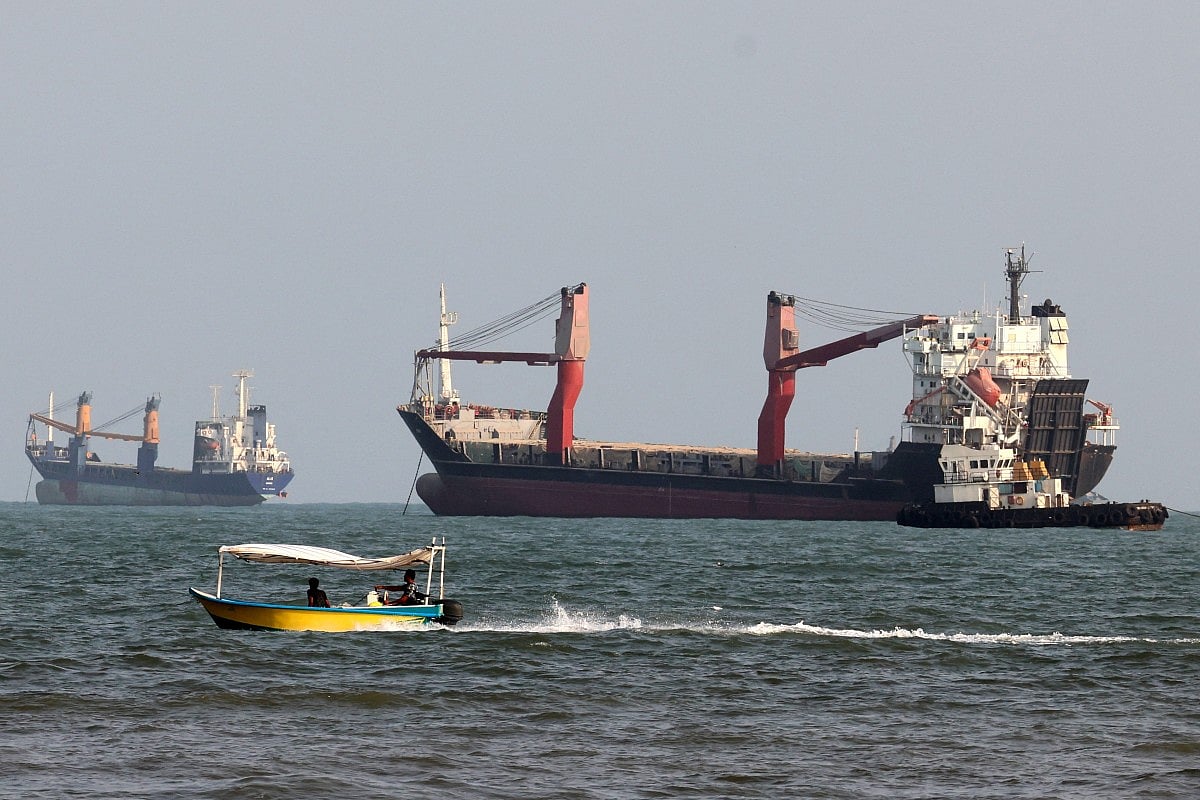
- The war now centres on control of the Strait of Hormuz, which Iran has all but shut down in retaliation, giving Tehran a crucial bargaining chip against President Trump.
- President Trump's approval rating is plummeting, the war is unpopular, and Republicans fear it will cost them control of Congress in the upcoming midterm elections.
Vice President JD Vance has shifted the U.S. focus in the Iran war from preventing nuclear proliferation to lowering oil prices, now deemed 'goal No. 1.' He stated, “That’s goal number one — keep oil and gas cheap for Americans all over our country.”
The U.S. is threatening an indefinite naval blockade of Iran, with Defense Secretary Pete Hegseth confirming that the blockade could continue indefinitely. “We’ll rotate ships in and out, as we have, and we’ll continue to do,” he said.
The international oil benchmark, Brent Crude, is currently priced at just above $87 a barrel, a 45% increase since January. Vance's comments reflect a significant shift in U.S. priorities, as President Donald Trump previously emphasized preventing Iran from acquiring nuclear weapons.

Vance noted that the war now centers on the Strait of Hormuz, a critical fuel supply route that Iran has largely shut down in retaliation against U.S. actions. “Preventing Iran from obtaining a nuclear weapon... now takes a back seat to getting oil flowing again freely through the strait,” he remarked.134
Treasury Secretary Scott Bessant warned of unprecedented economic isolation measures against Iran, stating, “We are going to apply measures like have never been seen in the history of economic isolation on a country.” As midterm elections approach, the war's unpopularity and rising gasoline prices pose risks for Republicans.
The U.S. military's resources are reportedly dwindling, complicating Trump's options for military action against Iran, as the conflict has already cost billions in high-tech weaponry.
“The war has shifted to control of the Strait of Hormuz, which Iran has all but shut down, giving Tehran a bargaining chip against Trump. With Trump's approval plummeting and midterms approaching, Republicans fear the war and soaring gasoline prices will cost them Congress.”