
- Valve has open-sourced its e-ink screen for the Steam Machine, allowing users to create their own faceplate.
- The e-ink screen is now referred to as the “Inkterface”.
- Valve has provided official 3D print files and all necessary components to build the e-ink faceplate.
- The project includes firmware, assembly instructions, and software setup guides.
- Users can configure the e-ink faceplate to display real-time hardware statistics and custom images once connected to the Steam Machine over Bluetooth.
Valve has open-sourced its e-ink screen for the Steam Machine, now known as the Inkterface. This initiative allows users to create their own faceplates, enhancing customization options for the gaming device.1
The project is available on GitHub under the MIT license, providing all necessary resources for DIY enthusiasts. It includes 3D printable files, firmware, and assembly instructions, making it accessible for anyone interested in building their own e-ink display.

To construct the Inkterface, users will need specific components such as the Adafruit ESP32 Feather and an Adafruit 5.83" Monochrome eInk Panel. Valve has also provided a video tutorial on GitLab to guide users through the assembly process.
Once assembled, the e-ink faceplate can connect to the Steam Machine via Bluetooth, allowing users to display real-time hardware statistics and custom images. This open-source project not only fosters creativity but also enhances the functionality of the Steam Machine, making it a more personalized gaming experience.
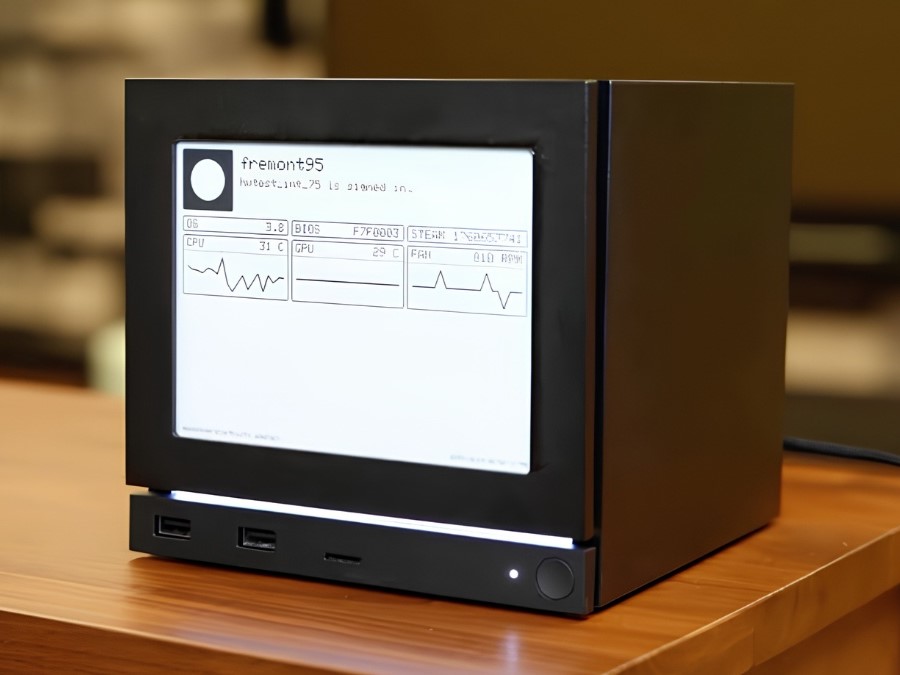
Valve explains how to flash the firmware onto the supported ESP32 board after assembly, ensuring users can fully utilize their new faceplates.
With this move, Valve continues to support the gaming community by providing tools for customization and innovation.
“Valve has made its e-ink screen for the Steam Machine open-source, allowing users to create custom faceplates. The project includes 3D printable files, assembly instructions, and firmware setup guides.”
 GamingOnLinux



