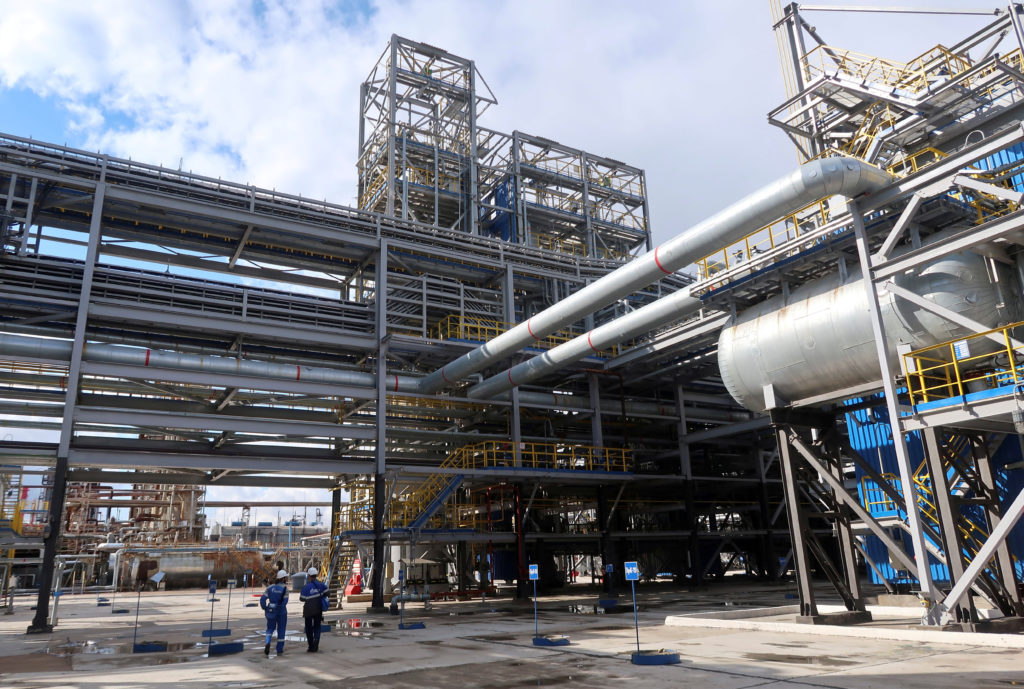
- Ukraine attacked Russia’s key Baltic Sea oil port of Ust-Luga overnight on Aug. 14 with 54 drones, causing a fire at the facility, according to Leningrad Oblast Governor Alexander Drozdenko.
- Damage has been recorded, resulting in a fire at the Ust-Luga port, with emergency crews working to extinguish the blaze.
- The Aug. 14 strike is at least the sixth attack on Ust-Luga this year, underscoring Ukraine’s sustained campaign against Russia’s oil-export infrastructure.
- Ust-Luga was struck for the fourth time in a week, disrupting operations at a facility handling around 700,000 barrels of oil a day.
- In late March, the port came under almost continuous attack, with drones hitting oil tankers and storage facilities, triggering a major fire.
- In early April, Ukrainian drones targeted the oil terminal at Ust-Luga amid a broader campaign against Russia’s Baltic energy infrastructure.
Ukrainian forces targeted Ust-Luga, Russia's largest Baltic oil port, with a drone strike involving 54 drones on August 14, igniting a significant fire.4
Governor Alexander Drozdenko confirmed that emergency crews were deployed to manage the blaze, which lasted approximately four hours and concluded at 6:48 a.m. Moscow time.
Ust-Luga is crucial for Moscow's oil exports, handling around 700,000 barrels of oil per day in 2025, and is second only to Primorsk in export capacity.
This attack is the sixth on the port this year, highlighting Ukraine's ongoing efforts to disrupt Russian oil infrastructure.
Previous assaults have caused substantial damage, including strikes on oil tankers and storage facilities, leading to significant operational disruptions.
In late March, Ust-Luga faced near-continuous attacks, with estimates suggesting that five strikes on Ust-Luga and Primorsk resulted in $970 million in lost revenue for Russian energy exporters in just one week.5
The sustained campaign against Ust-Luga underscores the strategic importance of the port in the ongoing conflict, as it accounts for roughly 40% of Russia's seaborne oil exports alongside Primorsk.
“The port handles around 700,000 barrels of oil per day, and together with Primorsk accounts for roughly 40% of Russia's seaborne oil exports. The strike follows a similar attack on Novorossiysk two days earlier, part of Ukraine's campaign to cut Moscow's energy revenues.”