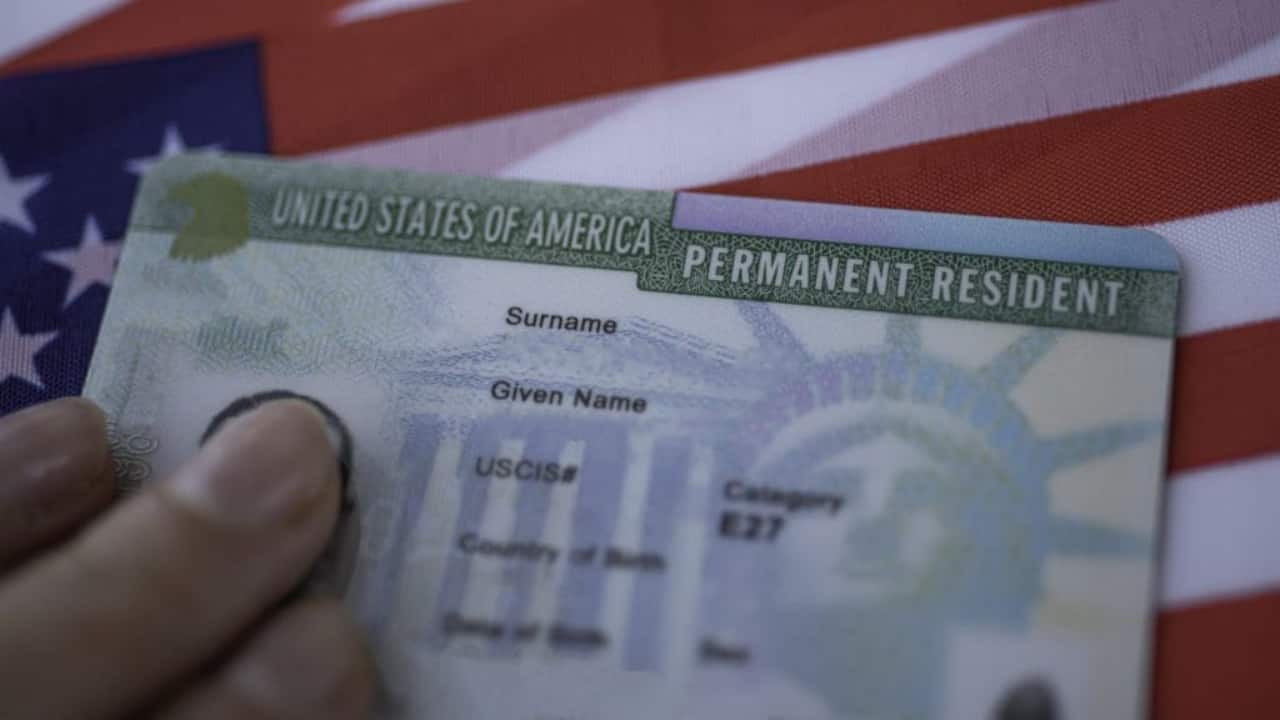
- The US Citizenship and Immigration Services (USCIS) has issued new guidance on how immigration officers will determine whether certain applicants for lawful permanent residence are likely to become a public charge, as the Trump administration replaces the Biden-era framework with a broader case-by-case assessment.
- The new rule finalised by USCIS comes into effect on September 18 and adheres to congressional intent that foreigners in the United States be self-sufficient and not dependent on taxpayer-funded government benefits.
- The development follows the Department of Homeland Security’s rescission of the 2022 public-charge regulations. USCIS has now issued policy guidance implementing the new framework, which takes effect on September 18.
- Starting September 18, receipt of any means-tested public benefit such as cash assistance for income maintenance, housing assistance, food stamps, financial aid for college, or any other similar benefit may be considered in a public charge determination.
- USCIS said in its latest update that any applicant who is seeking adjustment of status to a lawful permanent resident is subject to the public charge ground until they are applying for an immigration category that remains exempt.
- USCIS officers will consider five statutory factors when making public charge inadmissibility determinations: Age, Health, Family Status, Assets, resources, and financial status, and Education and skills.
USCIS has announced a significant change to the public charge rule, effective September 18, 2023. This new guidance allows immigration officers to evaluate whether green card applicants are likely to become a public charge by considering their receipt of means-tested benefits, including food stamps and housing assistance.
The rule aims to align with congressional intent that immigrants should be self-sufficient and not reliant on taxpayer-funded benefits. "The development follows the Department of Homeland Security’s rescission of the 2022 public-charge regulations," which had previously set a different standard for assessing public charge status.
Under the new framework, USCIS will consider five statutory factors in public charge determinations: age, health, family status, assets, resources, and financial status, as well as education and skills. This comprehensive assessment marks a shift from the Biden-era framework to a broader case-by-case evaluation.
USCIS emphasizes that any applicant seeking adjustment of status to lawful permanent resident will be subject to this public charge ground unless they qualify for an exemption. "Receipt of any means-tested public benefit...may be considered in a public charge determination," the agency stated, indicating a more stringent approach to immigration eligibility moving forward.
“The new guidance replaces the Biden-era framework with a broader case-by-case assessment, following DHS's rescission of the 2022 regulations. USCIS will weigh five statutory factors—age, health, family status, assets, and education—when determining inadmissibility.”
 The Indian Express