- The US has announced an expansion of secondary sanctions aimed at entities and countries maintaining business ties with Iran, significantly increasing economic pressure on Tehran.
- At a press conference, Treasury Secretary Scott Bessent described the new sanctions as an "economic D-Day" intended to warn countries to sever ties with Iran or face exclusion from the dollar-based financial system.
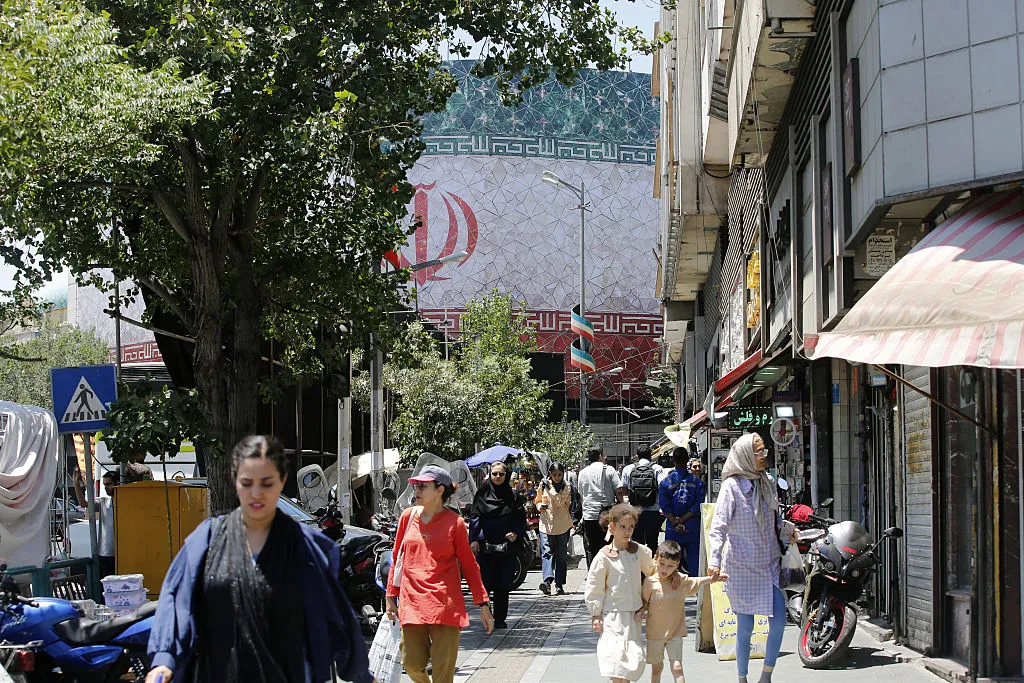
- Iran's currency has fallen to a record low of more than two million to the US dollar on the open market, reflecting the impact of the new sanctions.
- The US has maintained sanctions against Iran for decades, primarily targeting the country's oil revenues and other critical sectors.
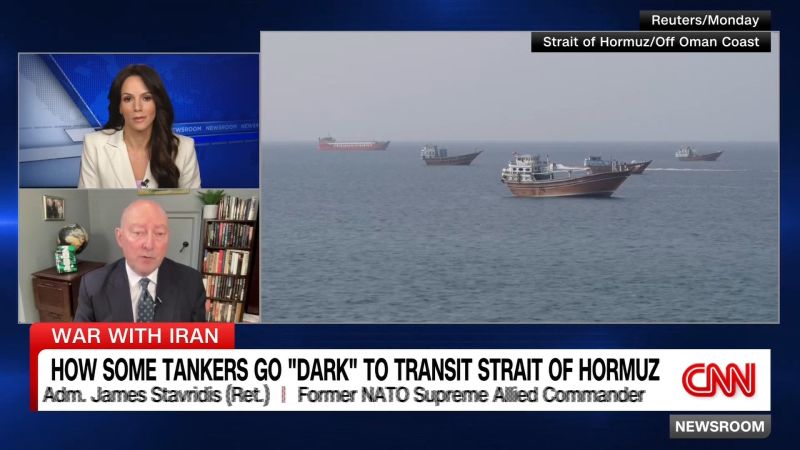
- In February, the US and Israel began air strikes against Iran, which led to Iranian retaliatory attacks on ships in the Gulf and Red Sea.
- The US renewed its blockade of Iran's ports in mid-July, significantly reducing Iranian oil flows to China, the largest buyer of Iranian oil.
The U.S. Treasury Department's recent announcement of an 'economic D-Day' marks a significant escalation in sanctions against Iran, as the country faces a dire economic situation with its currency hitting a record low of more than two million to the US dollar.234
Treasury Secretary Scott Bessent emphasized the urgency of the situation, stating, "We are launching an economic onslaught against Iran’s financial connections around the globe. Our objective is to sever every economic lifeline that sustains this tyrannical regime until Tehran stands alone." The sanctions target five key sectors, including digital assets, technology, gold, aviation, and shipping, which Iran relies on to support its economy.

Bessent's remarks come as the U.S. intensifies efforts to pressure countries, particularly China, which has been a major buyer of Iranian oil. He warned that nations must sever ties with Iran or risk being cut off from the dollar-based financial system. "No one is above the reach of U.S. sanctions," he asserted, highlighting the global implications of the sanctions.
Despite the aggressive stance, the U.S. has refrained from imposing the most crippling sanctions, opting instead for a warning approach. Bessent described this as a "warning shot" to allow countries time to adjust their business practices.
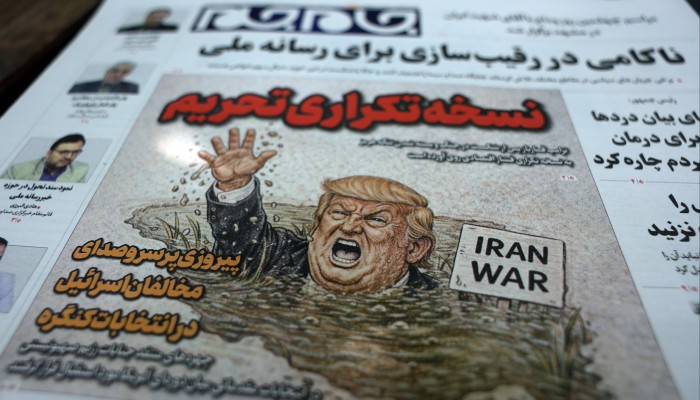
As the conflict with Iran approaches its six-month mark, the economic fallout continues to escalate, with energy prices remaining high and diplomatic efforts stalled. President Donald Trump has claimed that Iran is "COMPLETELY COLLAPSING", underscoring the administration's commitment to applying pressure on Tehran.
“The Treasury has issued determinations against five sectors—digital assets, technology, gold, aviation, and shipping—and imposed sanctions on nearly 60 entities, individuals, and vessels. Bessent warned that 'no one is above the reach of U.S. sanctions,' while China, the biggest buyer of Iranian oil, faces potential secondary sanctions.”