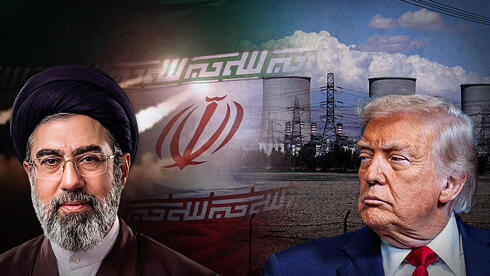
- President Trump threatened "economic warfare and isolation on an unprecedented scale" against Iran, warning of consequences for any country providing "any type of lifeline to Iran".
- Oil prices surged more than 2% on Wednesday, with Brent crude up $1.94, or 2.1%, to $93.56 a barrel and U.S. West Texas Intermediate (WTI) up $2.18, or 2.5%, to $88.01 a barrel, both reaching their highest levels since July 24.
- The U.S. Treasury Secretary said he would hold a press conference on Monday "to talk about exactly what we're going to do."
- The war, which began nearly six months ago when the U.S. and Israel launched military strikes on Iran, has killed thousands of people.
- Tehran's blockade of the Strait of Hormuz and Iranian attacks on energy facilities across the Middle East have sharply disrupted the flow of oil and gas to other parts of the world.
- Analysts warn of further supply disruptions: Giovanni Staunovo of UBS noted that "Tensions in the Middle East remain high, leaving room for further supply disruptions," and that "Lower oil exports from the Middle East are once again tightening the oil market."
- Trump's threats against nations helping Iran could affect U.S.-China relations, as China is the largest importer of Iranian crude oil, according to Alex Hodes, an energy analyst at StoneX.
- Shipping traffic through the Strait of Hormuz on Wednesday was down from the day before and far below pre-war levels, according to the latest shipping data. Prior to the war, shipments equal to about one-fifth of global consumption moved through the waterway.
Trump's threats against Iran come as oil prices rise sharply, with Brent crude futures climbing to $93.56 a barrel, the highest since July 24. This increase is attributed to ongoing tensions in the Middle East, particularly following military actions by the U.S. and Israel against Iran.1235
The former president warned that any nation providing support to Iran would face severe consequences, stating, "economic warfare and isolation on an unprecedented scale" is on the table. This stance could complicate U.S.-China relations, as China is the largest importer of Iranian crude oil, according to energy analyst Alex Hodes.9
The conflict has already resulted in thousands of casualties and has significantly disrupted oil and gas supplies globally. Giovanni Staunovo, an analyst with UBS, noted, "Tensions in the Middle East remain high, leaving room for further supply disruptions." The blockade of the Strait of Hormuz by Tehran and attacks on energy facilities have further exacerbated the situation, leading to a tightening oil market.6781011
Shipping traffic through the Strait of Hormuz has dropped significantly, with current levels far below pre-war figures. Before the conflict, this vital waterway facilitated shipments equal to about one-fifth of global consumption.
“The Strait of Hormuz blockade has cut shipping traffic far below pre-war levels, with shipments previously equal to one-fifth of global consumption. Analysts warn of further supply disruptions, and China's role as top Iranian crude buyer could strain U.S.-China ties.”