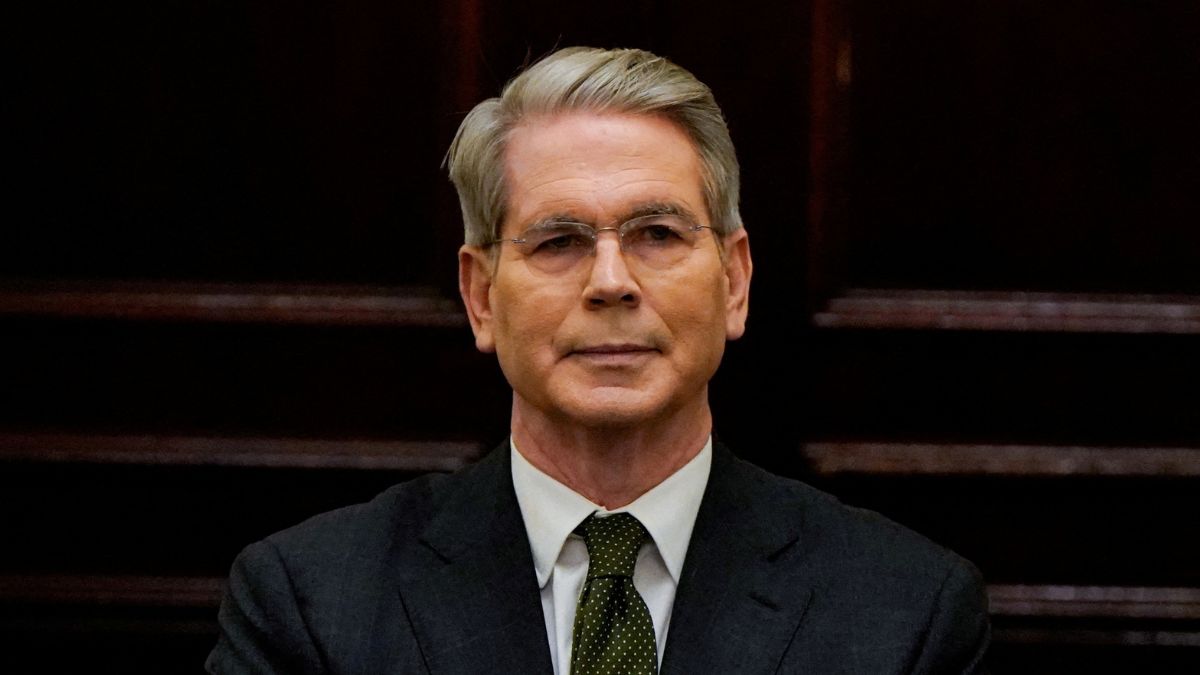
US Treasury Secretary
Scott Bessent announced a 30-day extension of sanctions relief on Russian oil following requests from more than
10 vulnerable countries affected by energy supply issues. This move, made in the wake of the
IMF and World Bank meetings, reverses Bessent's earlier claims that waivers would not be extended.
Bessent emphasized,
"I was approached by more than 10 of the most vulnerable and poorest countries in terms of energy," indicating that their appeal was crucial in this decision. The sanctions waiver, effective through
May 16, permits the purchase of Russian oil loaded onto vessels since Friday.
This waiver aims to maintain the supply for nations like
India, which imported a staggering
2.25 million barrels per day of Russian oil in March, marking a near doubling of February’s levels.
Russian crude accounted for about
50% of India's total imports, positioning these extensions as key in sustaining Moscow’s revenues despite ongoing sanctions.
However, Bessent noted that claims of Iran gaining over
$14 billion from such relief are
“a myth,” although he did not provide alternate figures. The extension reflects a broader concern to prevent a serious economic shock, especially amidst the ongoing tensions related to the
Ukraine war.
US Treasury Secretary Scott Bessent extended sanctions relief on Russian oil for 30 days, responding to requests from finance leaders of over 10 vulnerable nations. This decision, made during the IMF and World Bank meetings, aims to alleviate potential energy shortages from the closed Strait of Hormuz.


+1
)