- On Tuesday, the U.S. Treasury issued 36 Iran-related sanctions targeting the aviation sector and other companies, aiming to escalate economic pressure on Tehran amid ongoing conflict in the Middle East.
- The sanctions specifically targeted 27 Iranian airlines and several foreign firms, including those in Turkey and the UAE, for their roles in supporting Mahan Air, which has been under U.S. sanctions since 2011.
- The Office of Foreign Assets Control (OFAC) suspended three aviation-related authorizations that previously allowed non-U.S. airlines to operate U.S.-origin aircraft into Iran.
- Treasury Secretary Scott Bessent warned that foreign firms aiding Iranian airlines could face serious consequences, emphasizing the risk of being cut off from the global financial system.
- The U.S. first sanctioned Mahan Air in 2011 due to its support for Iran's Islamic Revolutionary Guard Corps.
- In 2020, the U.S. imposed sanctions on a China-based company accused of acting on behalf of Mahan Air.
- The Operation Economic Outcast campaign was launched on August 24, focusing on aviation as a critical sector for sanctions.
- Last week, Bessent indicated that airlines could be the next target of sanctions, alongside digital assets and the maritime industry.
The U.S. Treasury's recent sanctions on 27 Iranian airlines, including Mahan Air, aim to cripple Tehran's aviation sector amid escalating Middle East tensions. This action is part of Operation Economic Outcast, targeting networks that facilitate Iran's access to U.S.-origin aircraft and technology.123689
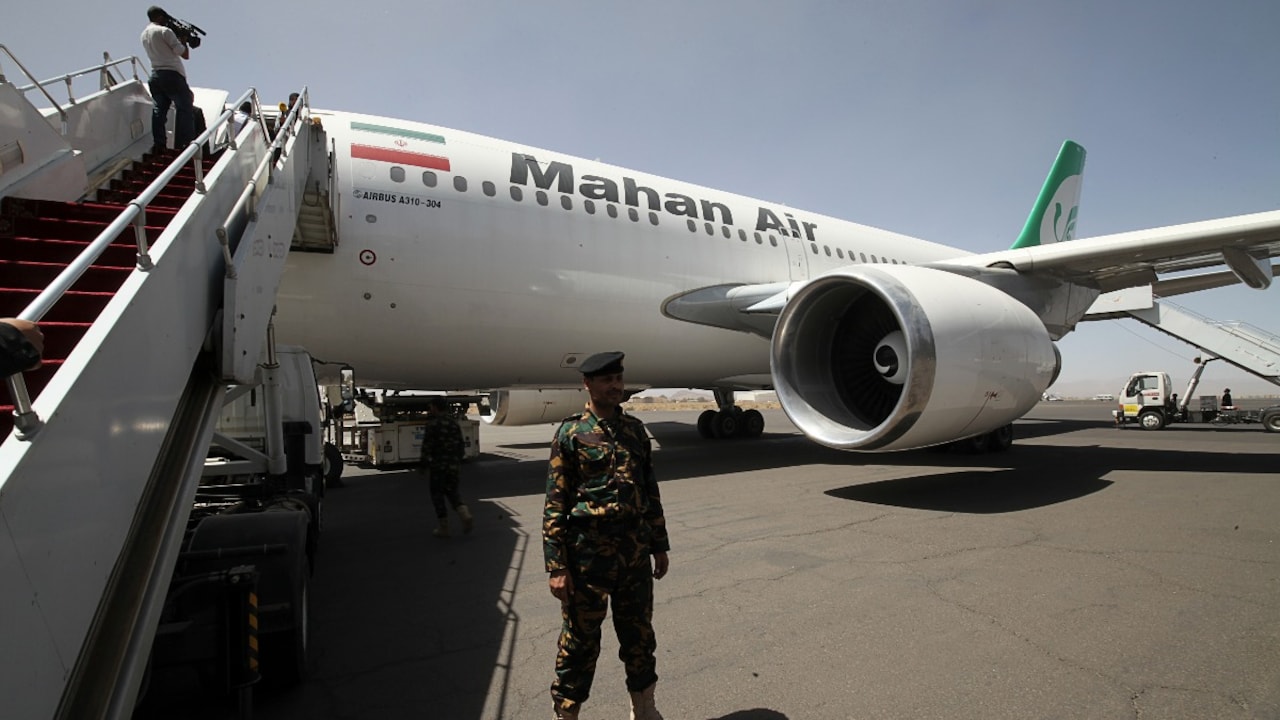
The sanctions also suspend three aviation-related authorizations, which previously allowed non-U.S. airlines to operate U.S.-controlled aircraft into Iran. Miad Maleki, a former senior Treasury official, noted that the suspension would significantly impact air traffic from key hubs like Dubai, Doha, and Istanbul, effectively severing Tehran's main gateways to regional trade and finance.
The Treasury's measures extend to foreign firms in Turkey, the UAE, Malaysia, and Kazakhstan, which have been implicated in supporting Iran's aviation operations. Officials warned that these entities could face penalties for aiding Iranian carriers.

The sanctions are part of a broader strategy to cut off Tehran's financial lifelines and disrupt its military funding. Treasury Secretary Scott Bessent hinted at potential regime change as a goal of the sanctions, although experts question their effectiveness given Iran's resilience to economic pressure over the years. Iranian Foreign Minister Abbas Araghchi dismissed the sanctions as ineffective, highlighting the ongoing challenges in altering Tehran's behavior through economic means.5
“The sanctions also target foreign firms in Turkey, UAE, Malaysia, and Kazakhstan that helped Mahan Air obtain at least three Boeing 777s this summer. Treasury Secretary Scott Bessent said, "Let this be a warning to anyone doing business with Iran's remaining airlines: You are at risk of being cut off from the global financial system."”