- The U.S. will unveil the single greatest financial offensive ever against Iran on Monday, according to Treasury Secretary Scott Bessent, while Tehran threatened to seize vessels that violate transit rules in the Strait of Hormuz.
- The escalation comes as both sides missed a 60-day ceasefire window to reach a deal, closing off the formal truce mechanism aimed at ending the Middle East war now in its sixth month.
- Mohsen Rezaei, Iran's new security chief, vowed to target the interests of oil-rich neighbors if they joined U.S. efforts to further isolate Iran, stating: "Any country that becomes a partner in creating economic restrictions against us will be regarded by us as an enemy."
- Iran's state-controlled Persian Gulf Strait Authority warned that vessels violating its transit rules in the Hormuz could face penalties, including fines, seizure, or confiscation during future passages.
- Iranian Foreign Minister Abbas Araghchi dismissed the threat of fresh U.S. sanctions as a desperate ploy, asserting that U.S. actions, like the blockade, were set to fail.
- Tehran's parliament approved a provision stipulating that ships passing through the Hormuz chokepoint will pay for services provided by Tehran, while crude prices fell in Asian trading despite the escalation.
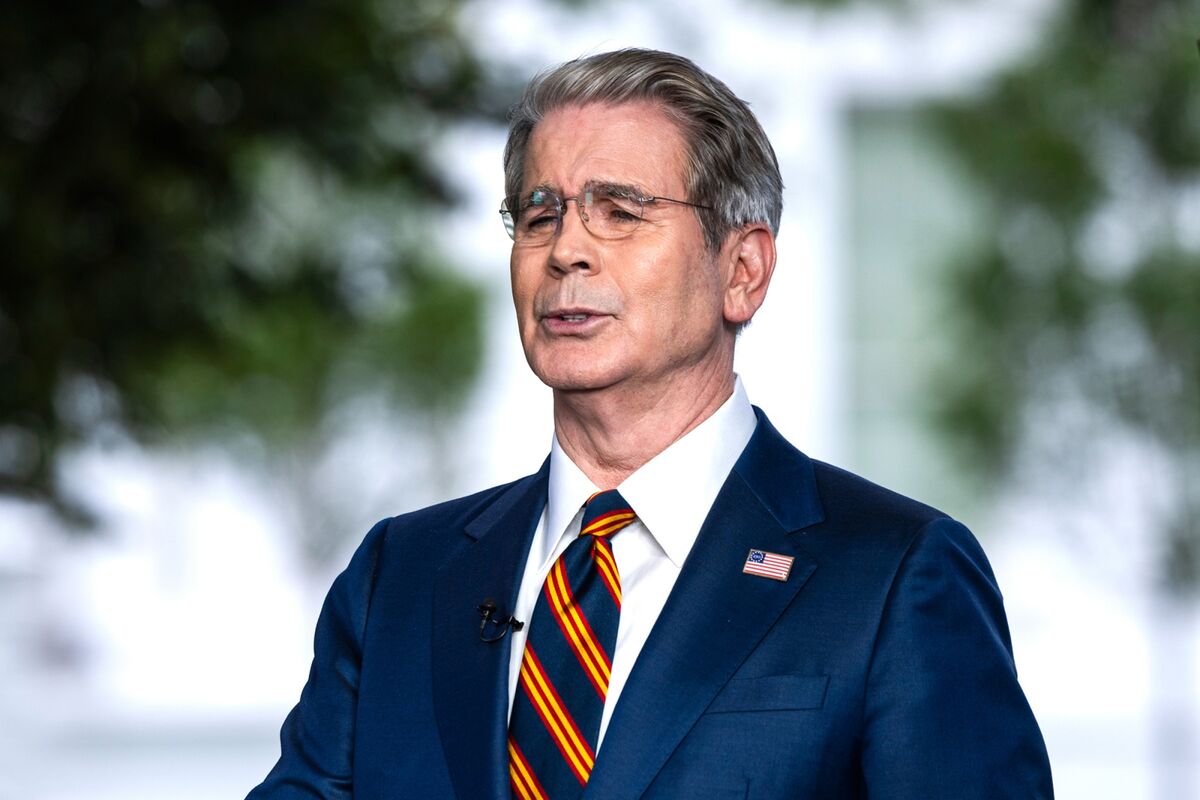
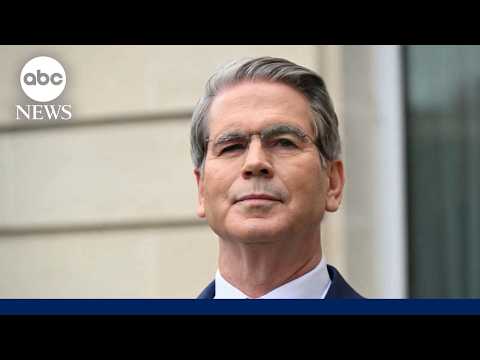
The U.S. will unveil its "single greatest financial offensive ever" against Iran on Monday, according to Treasury Secretary Scott Bessent, who described the measures as the "endgame" for Washington's campaign against Tehran.1
The new sanctions will expand an existing regime targeting Iran's banking, energy, aviation, and cryptocurrency sectors.
Bessent warned that "any nation that serves as a financial artery of a withering regime should expect to share in its isolation," addressing foreign governments still engaging with Iran.
In response, Iranian officials, including Mohsen Rezaei, secretary of Iran's Supreme National Security Council, threatened to retaliate against oil-rich neighbors cooperating with U.S. sanctions, stating, "Any country that becomes a partner in creating economic restrictions against us will be regarded by us as an enemy."34
Tehran's state-controlled PGSA warned that vessels violating transit rules in the Strait of Hormuz could face "fines, seizure, or confiscation" during future passages.5
Iranian Foreign Minister Abbas Araghchi dismissed the impending sanctions as a "desperate" tactic, asserting that U.S. actions would ultimately fail.6
Meanwhile, crude oil prices fell in Asian trading, with U.S. benchmark futures dropping about 1.3% to $85.93 per barrel amid the escalating tensions.
“Bessent called the measures an 'economic D-Day' and the 'endgame' for Washington's campaign, warning that 'any nation that serves as a financial artery of a withering regime should expect to share in its isolation.' Iran's new security chief Mohsen Rezaei vowed to treat any country joining U.S. restrictions as an enemy.”


 CNBC
CNBC