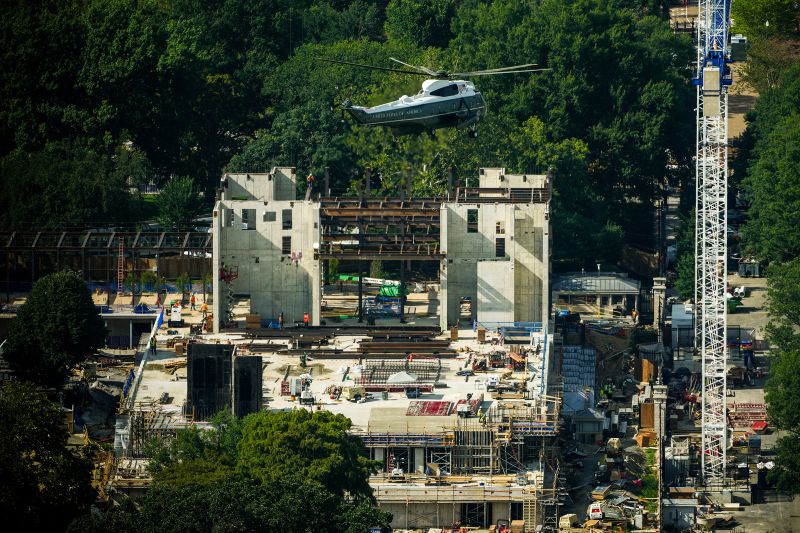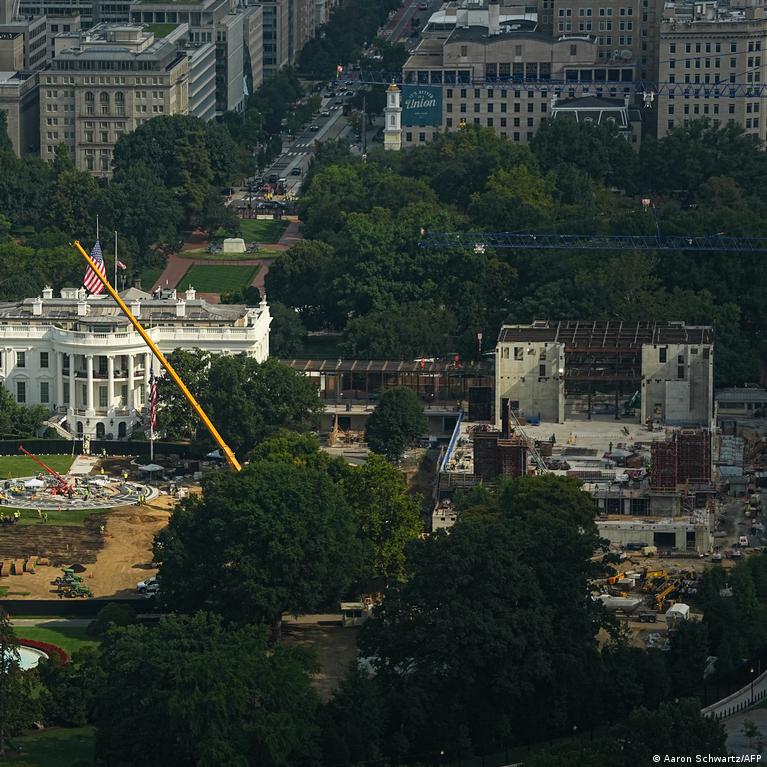
- The US Supreme Court on Monday allowed US President Trump's administration to continue with the $400 million White House ballroom construction project for now.
- The ruling was backed by five of the court's six conservative justices who said that the plaintiffs in the case likely didn't have the legal right to challenge the case.
- Chief Justice John Roberts joined the court's three liberal-leaning justices in dissenting from the latest order, calling the construction 'likely unlawful' because it hasn't been approved by Congress.
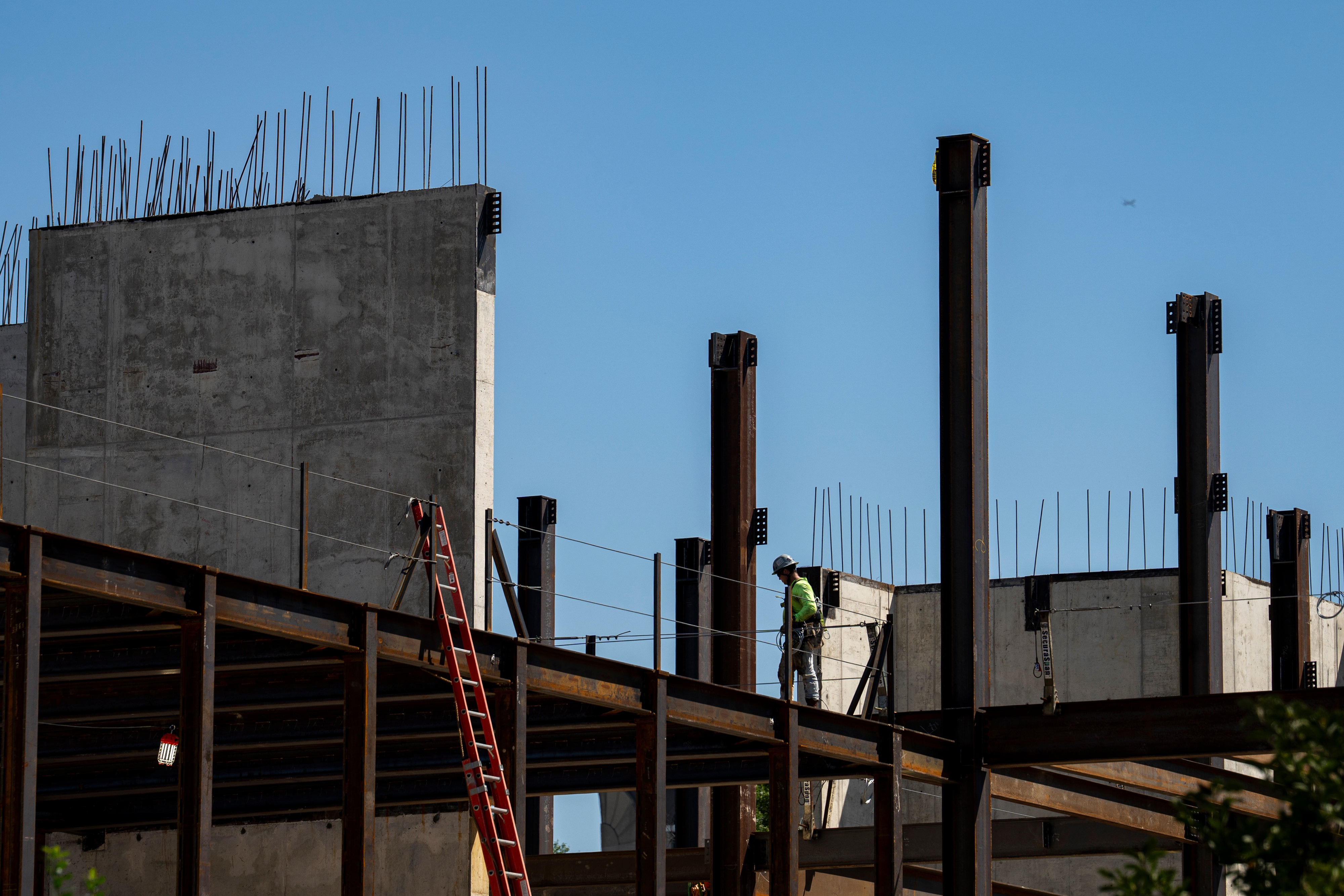
- The nonprofit National Trust for Historic Preservation first brought the matter after the East Wing was torn down and work began on a 90,000-square-foot ballroom in the biggest structural change to the White House in over 70 years.
- US Justice Department lawyers previously justified the need for a secure ballroom, pointing to the July 8 missile threat against Air Force One when Trump was flown out of Turkey aboard a secret flight and other recent assassination attempts.
The US Supreme Court's recent ruling allows the Trump administration to proceed with a $400 million ballroom project at the White House, despite concerns over its legality.1
The decision, supported by five conservative justices, stated that the plaintiffs likely lacked the legal standing to challenge the project.
“This Court has not found standing in circumstances like these before,” the justices noted, emphasizing that mere offense does not constitute a legal injury.
Chief Justice John Roberts dissented, arguing the construction is “likely unlawful” without Congressional approval, and he invoked Winston Churchill to highlight the importance of buildings in shaping society.3
Roberts stated, “Today’s decision is no victory for the separation of powers.”
The ballroom, part of the largest structural change to the White House in over 70 years, was initially challenged by the nonprofit National Trust for Historic Preservation after the East Wing was demolished.4
The Justice Department justified the need for a secure ballroom, citing threats against Air Force One during Trump's presidency.
The court's ruling did not address the project's legality, leaving Congress as the only entity capable of halting it.
Roberts warned that the decision undermines the constitutional separation of powers, allowing the executive branch to bypass legislative approval for funding.
The dissenting opinion reflects a broader concern about the implications of aesthetic considerations in legal contexts, as the majority argued that beauty in the man-made world is not a legal concern.
Roberts concluded with Churchill's words, “We shape our buildings, and afterwards our buildings shape us.”
“The court's conservative majority found that neither the National Trust nor a local resident had standing, echoing Trump's mockery of a 'woman walking her dog.' Roberts warned the decision is 'no victory for the separation of powers,' as Congress has not approved the funds.”

 dw.com