- Washington has conducted a string of limited strikes over recent weeks, and this one is the newest.
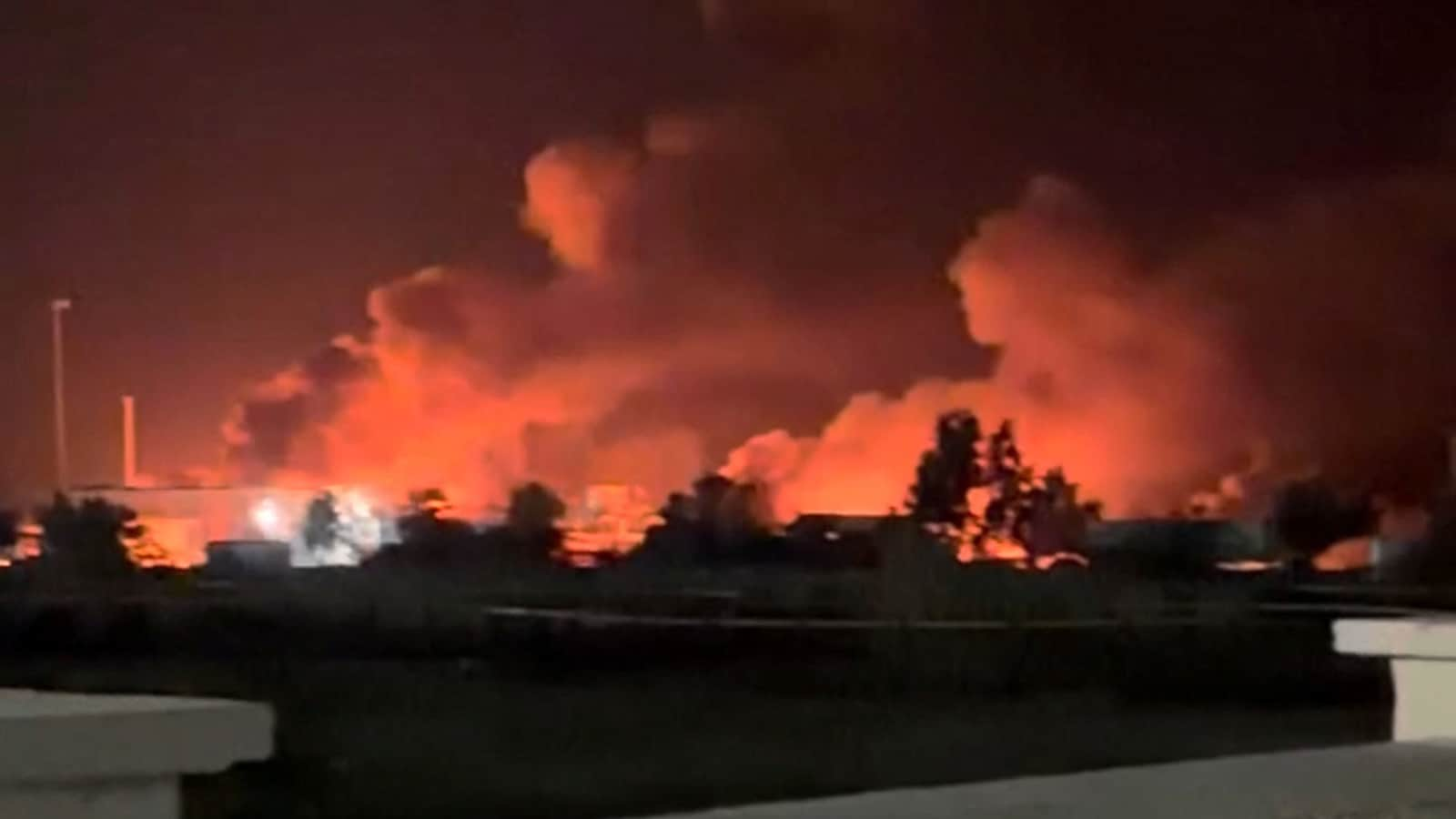
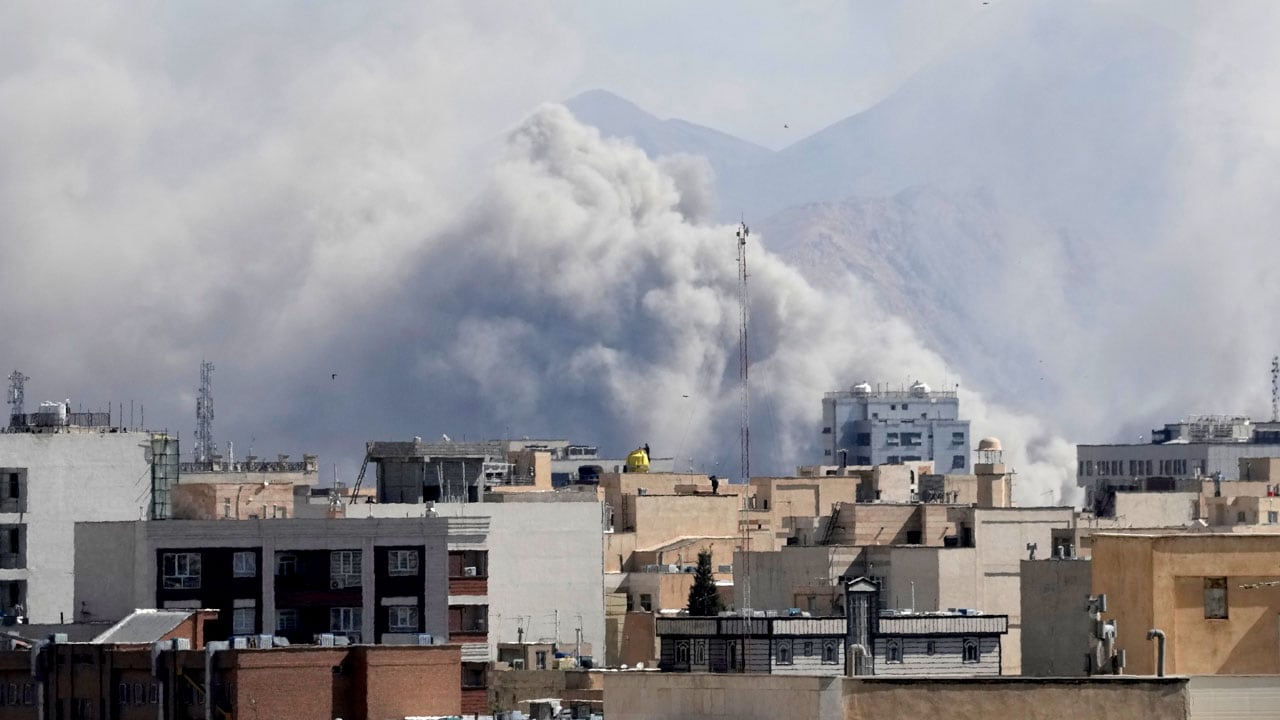
- US strikes Iran's Qeshm Island in the Strait of Hormuz.
- Oil prices climb after the strike, with Brent crude trading near $106.60 a barrel, up more than 1.7%, regaining some of the ground lost in Monday's drop of over 7%.
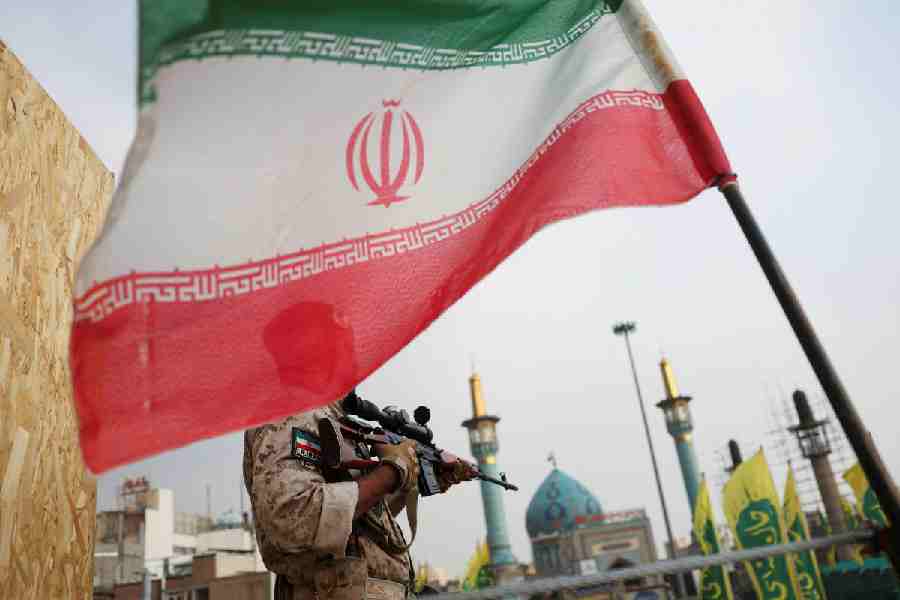
- Iranian Deputy Foreign Minister Kazem Gharibabadi said Tehran retains its right to self-defense and called the incident part of an "ongoing war."
- Tehran says the Strait of Hormuz could be open again within two days if Washington satisfies seven demands.
- U.S. Gulf allies are bracing for a possible wider American offensive on Iran, which might provoke reprisals against commercial and civilian facilities.
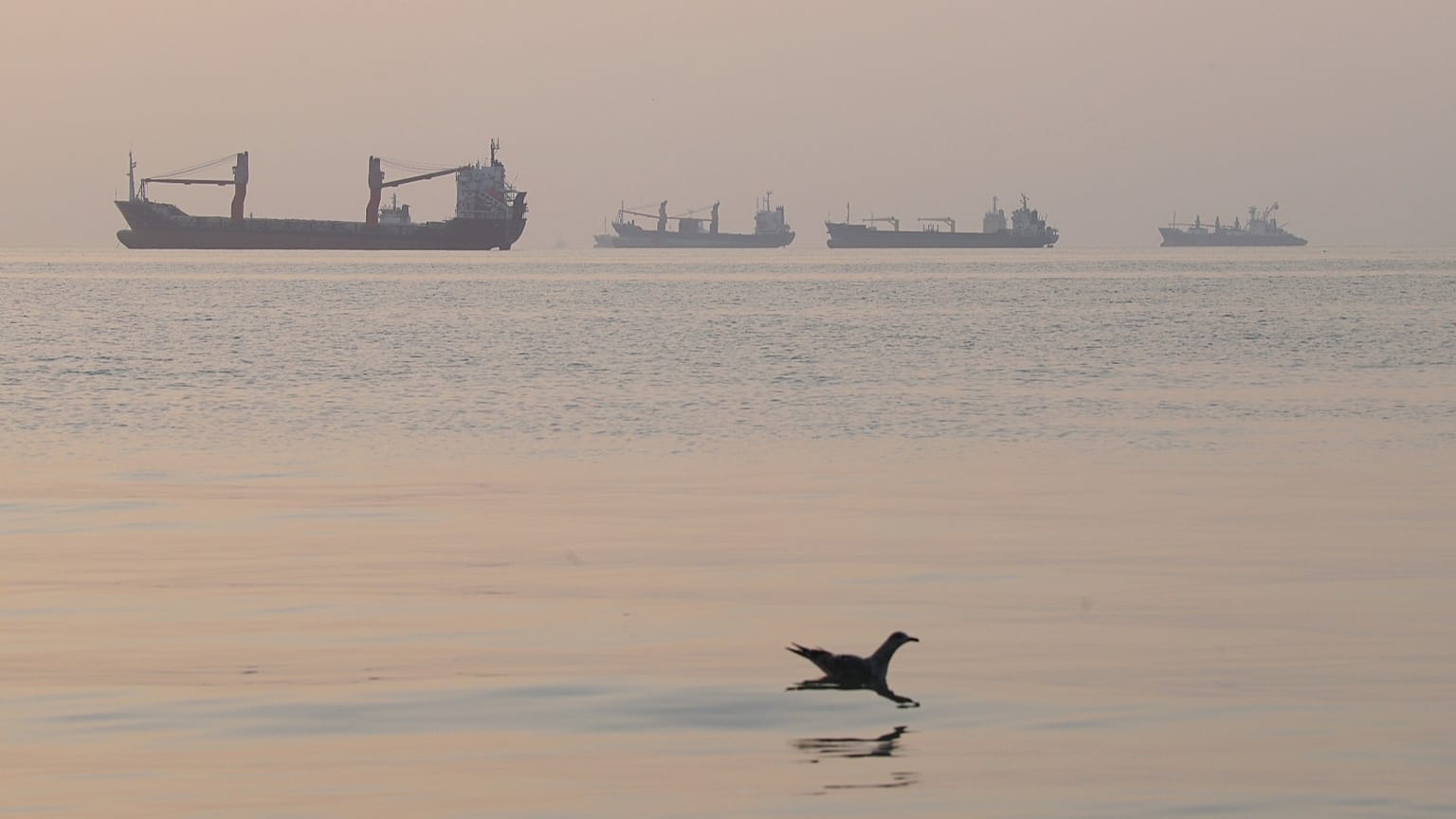
- Two vessels were hit Monday by projectiles of unknown origin near the coasts of Saudi Arabia and Oman.
- Saudi Aramco CEO Amin H. Nasser said oil shipments through the Strait of Hormuz had not yet returned to pre-conflict levels.
Oil prices rose sharply after the U.S. conducted a strike on Iran's Qeshm Island in the Strait of Hormuz, a critical waterway for global oil shipments. Brent crude futures climbed to nearly $106.60 a barrel, recovering from a previous drop of over 7%.5
The U.S. described the strike as limited and defensive, aimed at protecting American assets in the region, following Iranian fire directed at an American aircraft. This action is part of a series of limited strikes by Washington in recent weeks, as tensions escalate in the region.

Iran's Deputy Foreign Minister, Kazem Gharibabadi, asserted Tehran's right to self-defense, labeling the incident as part of an "ongoing war". Tehran has indicated that the Strait of Hormuz could reopen within two days if the U.S. meets seven demands, although Washington disputes Iran's authority over the waterway.4
U.S. Gulf allies are preparing for the possibility of a broader American offensive against Iran, which could lead to retaliatory actions targeting commercial and civilian facilities across the Middle East. Saudi Aramco CEO Amin H. Nasser noted that oil shipments through the Strait have not yet returned to pre-conflict levels, with vessels facing delays before safe transit.8
“Iranian Deputy Foreign Minister Kazem Gharibabadi called the incident part of an 'ongoing war' and reaffirmed Tehran's right to self-defense, while Trump said an agreement 'could happen' and Vance cited progress. Separately, two vessels were hit by projectiles near Saudi Arabia and Oman, and Aramco's CEO said shipments have not returned to pre-conflict levels.”
 Quartz