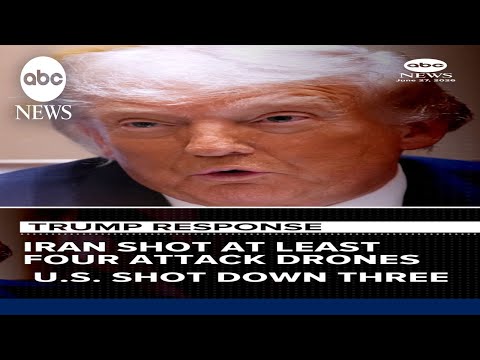
- US strikes Iran for a second consecutive day have raised questions about whether this action violates the War Powers Resolution.
- Representative Ro Khanna condemned the latest US attacks on Iran, calling them a blatant violation of the congressional resolution and threatening to take Trump to court over it.
- The War Powers Resolution of 1973 requires the president to notify Congress within 48 hours of committing armed forces to hostilities and bars sustained military action after 60 days without congressional approval.
- The Senate passed the resolution in a 50-48 vote despite Trump’s Republican Party enjoying a slim majority in both it and the House of Representatives.
- The resolution directs the President to remove United States Armed Forces from hostilities against the Islamic Republic of Iran.
- Trump called the vote 'poorly timed and meaningless' and said it 'provided aid and comfort' to Iran.
- The White House dismissed the Senate’s passage of the resolution, stating it has 'no significance' and was driven by 'Republican absences'.
- US constitutional expert Bruce Fein stated that Trump would 'ignore the vote on the bogus fantasy of unconstitutionality'.
- Khanna wrote on X after the US struck Iranian targets for the second day, stating, 'Trump must stop this war now' or face court action.
The U.S. military's recent strikes on Iran have raised significant legal and political concerns. Following the Senate's passage of a resolution requiring President Trump to seek congressional approval for military action, Representative Ro Khanna condemned the strikes as a blatant violation of this mandate.2
Khanna threatened legal action against Trump, stating, 'Trump must stop this war now – or we will take him to court to compel him to do so.' The resolution, passed by a narrow 50-48 vote, directs the President to remove U.S. Armed Forces from hostilities against Iran.45
Trump dismissed the resolution as 'poorly timed and meaningless,' asserting it provided 'aid and comfort' to Iran. The White House echoed this sentiment, claiming the vote held 'no significance' and was influenced by 'Republican absences.'7
The War Powers Resolution of 1973 mandates that the President notify Congress within 48 hours of military engagement and limits sustained action to 60 days without congressional approval. Constitutional expert Bruce Fein remarked that Trump would likely disregard the resolution, labeling it a 'bogus fantasy of unconstitutionality.'13
“The US military has conducted strikes against Iran for a second consecutive day, raising questions about compliance with the War Powers Resolution. Representative Ro Khanna has condemned these actions and is prepared to take legal action against Trump if the military campaign continues without congressional approval.”