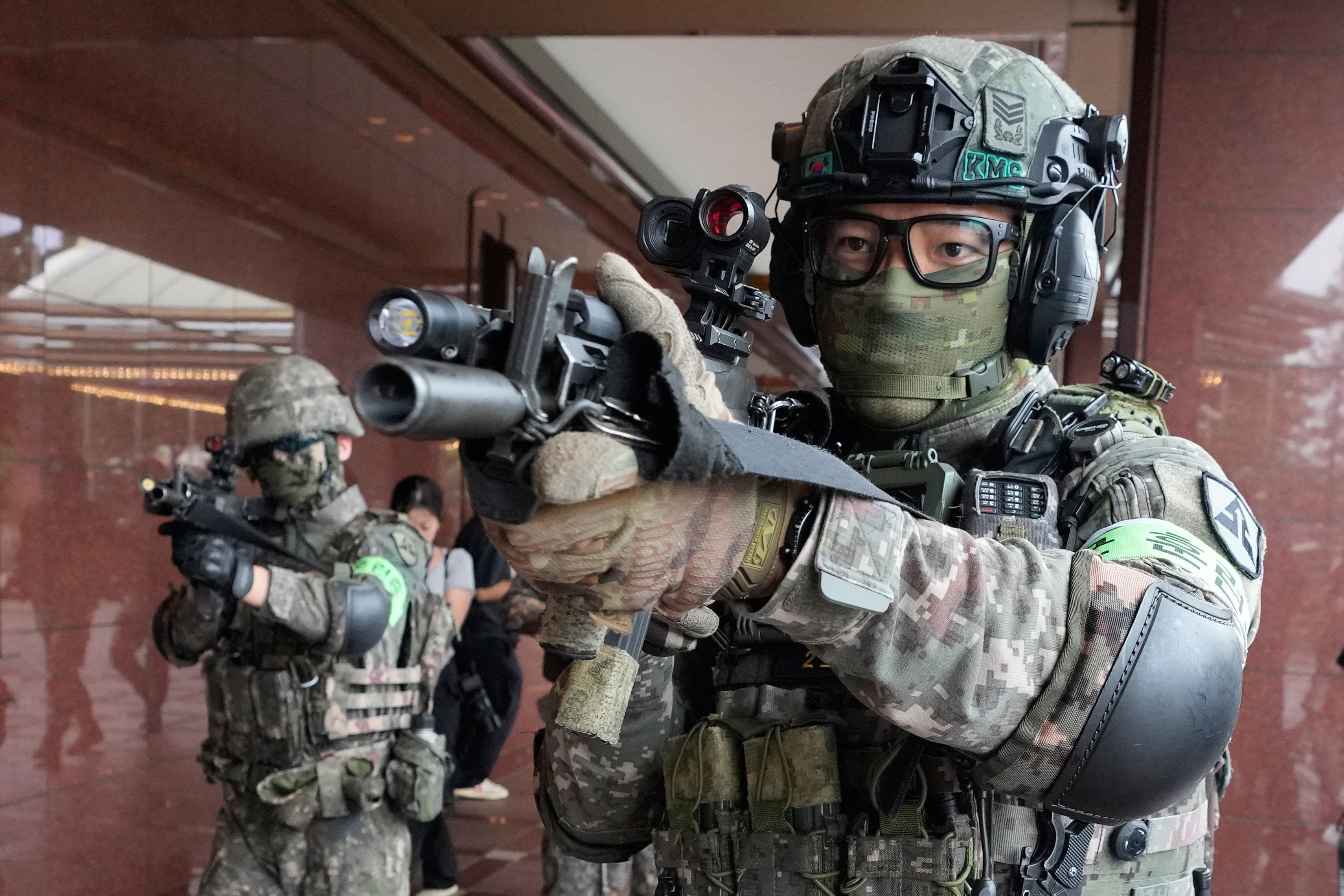
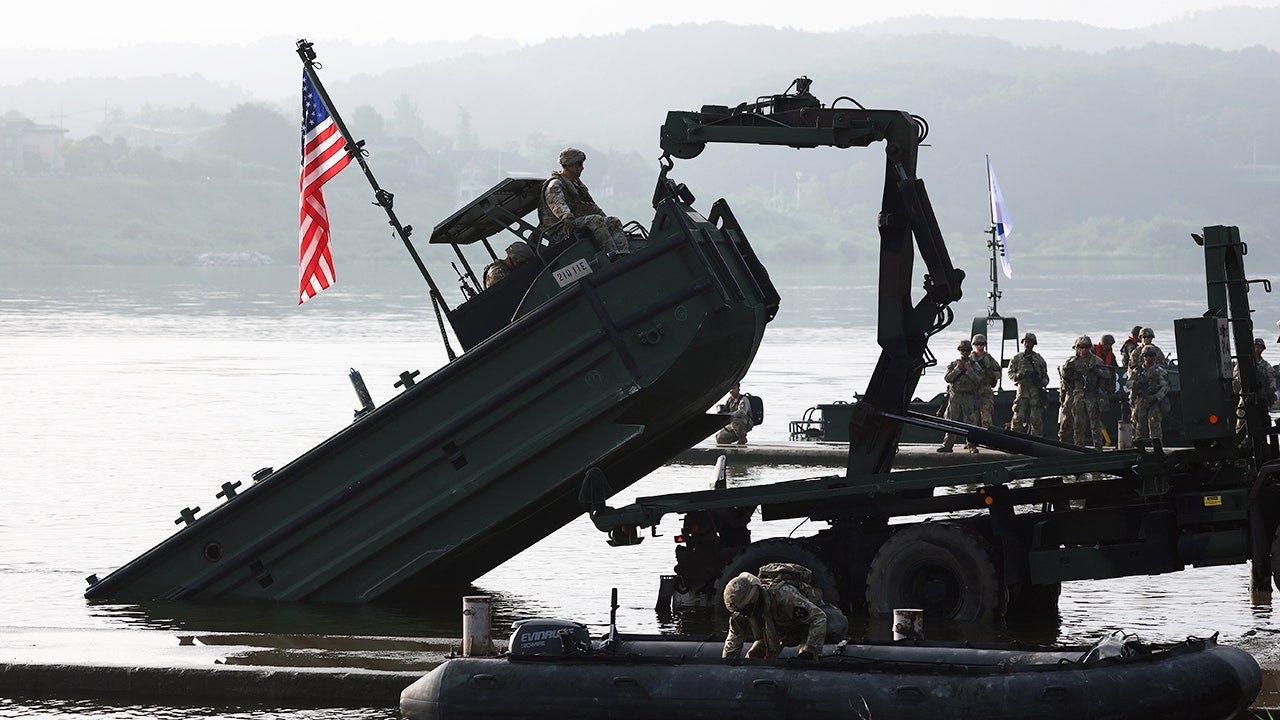
- Trump's decision to scale down U.S.-South Korea drills risks more than just joint military readiness, as experts express concerns about the implications for U.S. security commitments.
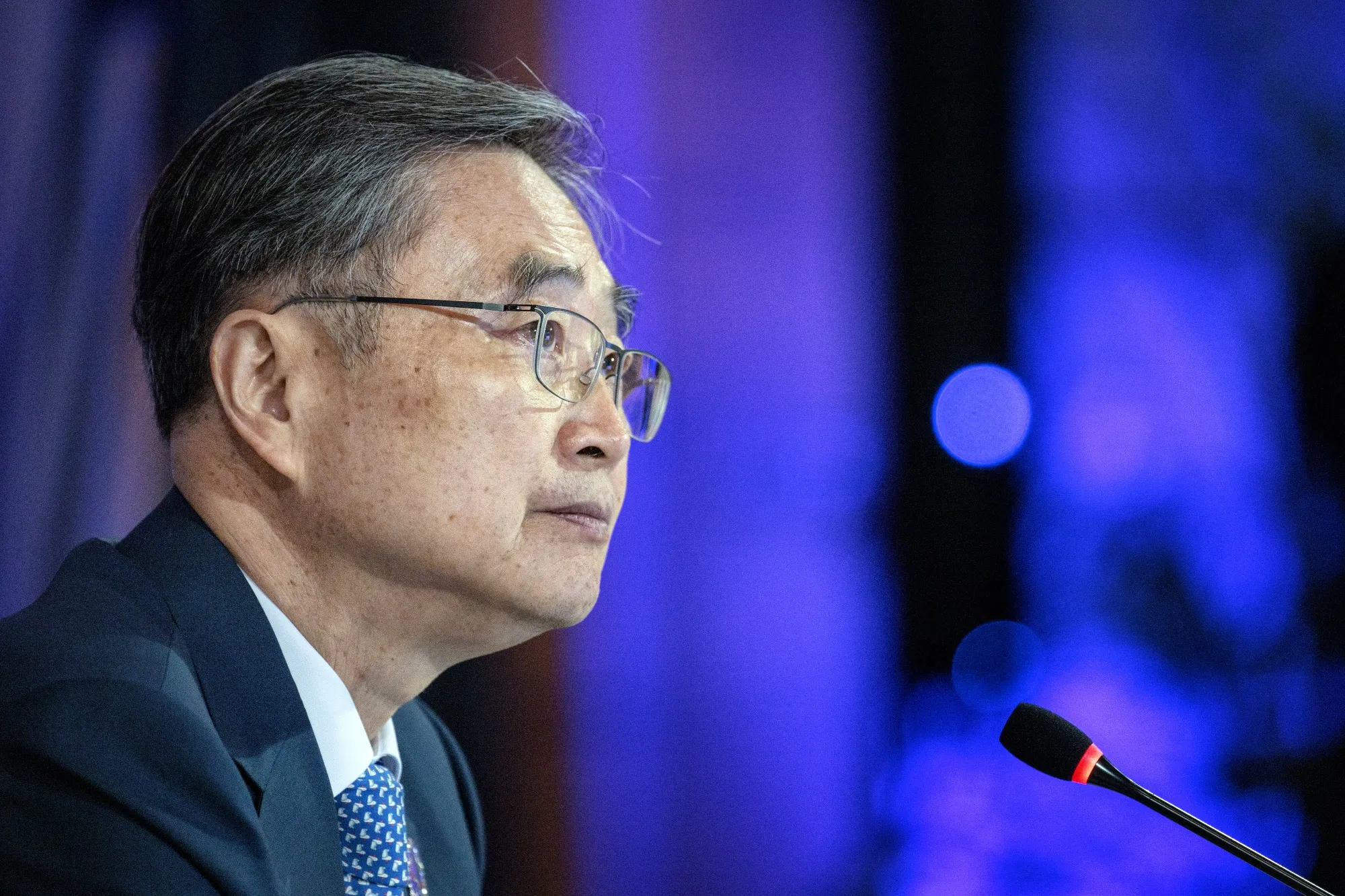
- Lieutenant General Chun In-Bum, former commander of the country’s Special Warfare Command, was blunt: “scaling back joint exercises like Ulchi Freedom Shield while North Korean troops gain combat experience in Ukraine creates a dangerous operational disconnect.”
- This “significantly undermines the credibility of the U.S. security commitment” at a time when confidence in that commitment is already near one of its lowest points in recent history, said Lami Kim, Korea Chair in Advanced Technologies, National Security and Defence at the International Institute for Strategic Studies.
- Haggard said the move could cause concern among allies about the predictability and reliability of the U.S. alliance guarantee.
President Trump's recent order to scale back U.S.-South Korean military exercises has sparked significant concern among defense experts regarding the implications for military readiness and the credibility of U.S. security commitments.
The decision reportedly caught Seoul off guard and is seen as an attempt to reduce hostility toward North Korea.
Lieutenant General Chun In-Bum, former commander of South Korea’s Special Warfare Command, expressed that this scaling back creates a “dangerous operational disconnect” as North Korean troops gain combat experience in Ukraine.
Lami Kim, Korea Chair in Advanced Technologies at the International Institute for Strategic Studies, stated that the move “significantly undermines the credibility of the U.S. security commitment” at a time when confidence in that commitment is already at a low point.
Experts like Haggard have also noted that this shift could lead to concerns among allies regarding the predictability and reliability of the U.S. alliance guarantee, further complicating the geopolitical landscape in the region.
As tensions with North Korea persist, the implications of this decision could resonate throughout the Asia-Pacific, affecting not only military strategies but also diplomatic relations.
“Lieutenant General Chun In-Bum warned that reducing joint exercises like Ulchi Freedom Shield while North Korean troops gain combat experience in Ukraine creates a dangerous operational disconnect. Lami Kim from the International Institute for Strategic Studies noted that this significantly undermines the credibility of U.S. security commitments, which are already at a low point.”
 cnbc.com