
- The US Senate has voted to pass an Iran war powers resolution, delivering a significant but symbolic rebuke to President Trump over military action against Iran.
- This marks the first time that both chambers of Congress have approved a concurrent resolution instructing a president to end military action since the War Powers Resolution of 1973 was enacted.
- The House of Representatives had earlier passed the same measure, requiring the president to seek Congress’s authorization to use military force against Iran.
- The resolution does not require the president’s signature and is largely symbolic, as it does not carry the force of law.
- The Senate backed legislation directing Trump to halt military action against Iran, reflecting growing discontent among Republicans over a conflict that has become unpopular with voters ahead of the November midterm elections.
- Senate Democrats have forced a war powers vote 10 times since the start of the war, highlighting ongoing tensions between Congress and the Trump administration regarding military actions.
The US Senate's passage of a war powers resolution on Tuesday, with a narrow 50-48 vote, represents a significant moment in congressional oversight of military action.126
Four Republican senators joined Democrats in supporting the measure, which mandates that President Trump must seek congressional approval for any military action against Iran.
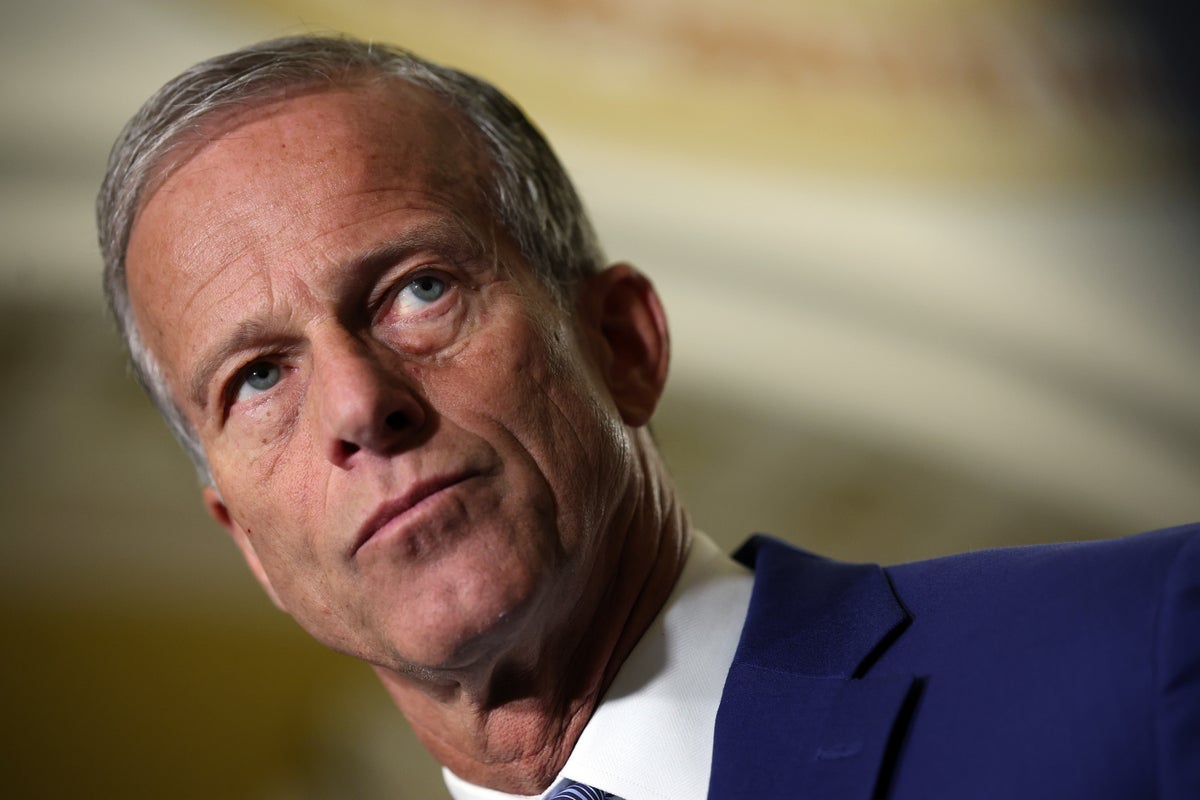
This resolution, which follows a similar measure passed by the House earlier this month, is largely symbolic as it does not require the president's signature and does not carry the force of law.5
Senate Majority Leader Chuck Schumer emphasized the importance of the vote, stating, "For years, Trump promised to put maximum pressure on Iran, but he ended up delivering maximum confusion, maximum chaos, maximum cost to the American people with his disastrous war."
The resolution reflects growing discontent among Republicans regarding the ongoing conflict, which has become increasingly unpopular with voters ahead of the November midterm elections.
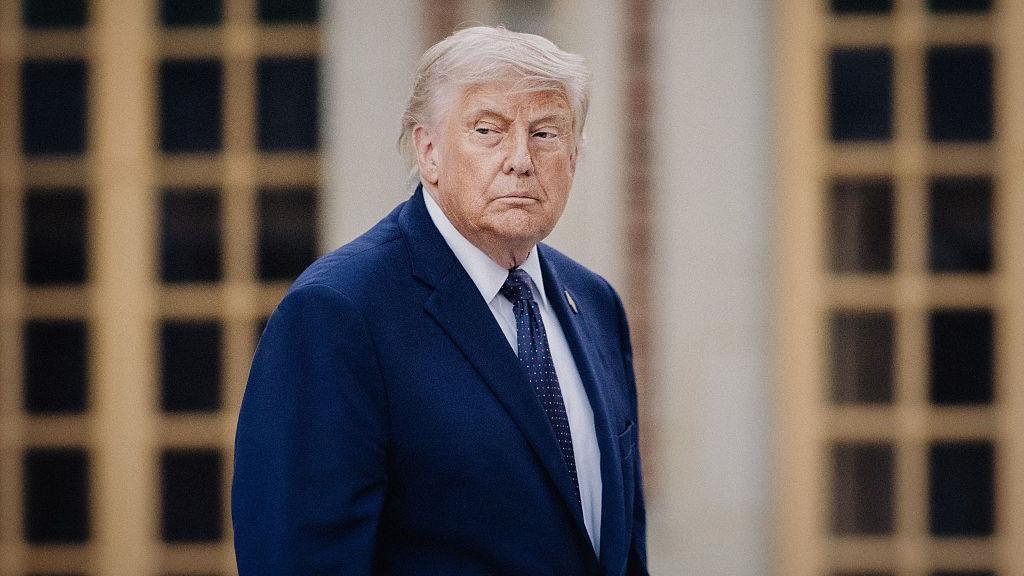
Only 24 percent of US citizens believe the war has been worth the cost, according to a recent poll.
The resolution marks the first time both chambers of Congress have approved a concurrent resolution instructing a president to end military action since the War Powers Resolution of 1973 was enacted.3

Democratic Senator Tim Kaine stated, "The most solemn power for Congress is Congress has the power to declare war, not the president."
Despite the resolution's passage, some Republican senators warned it could undermine Trump's negotiating position with Iran, with Senator James Risch stating, "If this passes, the Iranians are going to simply stand up and walk away from negotiations."
“The US Senate has passed a war powers resolution requiring President Trump to seek congressional approval for military action against Iran. This marks the first time both chambers of Congress have approved a concurrent resolution instructing a president to end military action since the War Powers Resolution of 1973.”


 The Guardian
 The Independent