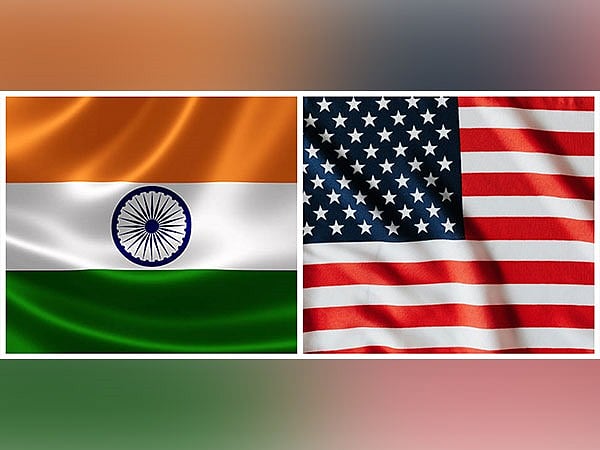
- The US Senate has passed the Lindsey O. Graham Sanctioning Russia and Iran Act of 2026 on August 7 by a vote of 86-11, allowing for up to 100% tariffs on major buyers of Russian energy.
- The bill now returns to the House of Representatives, which is expected to consider it when it reconvenes on August 31.
- India's Commerce Ministry official stated that India won't react immediately and will address issues through BTA negotiations.
- India's Russian crude imports hit a record 2.64 million barrels per day in July, accounting for around half of total imports.
- Industry sources and analysts indicate that India is unlikely to cut Russian crude purchases in the near term despite the sanctions bill.
- The proposed measures could expose India, currently the second-largest buyer of Russian crude, to significantly higher US tariffs.
- Under Section 113 of the bill, the US president would be empowered to impose additional tariffs of up to 100% on goods from countries that continue to buy Russian crude oil or natural gas 30 days after the law takes effect.
- The bill's sponsors have identified China, India, Slovakia, Hungary, and Azerbaijan as the five largest buyers of Russian energy.
The US Senate's recent passage of the Lindsey O. Graham Sanctioning Russia and Iran Act of 2026 allows for tariffs up to 100% on countries importing Russian energy, with India identified as a major target.1
The bill, which passed 86-11, now heads to the House of Representatives, where it awaits further consideration.2
India, currently the second-largest buyer of Russian crude, imported 2.64 million barrels per day in July, accounting for nearly half of its total oil imports.4

Despite the looming threat of tariffs, Indian officials express confidence in addressing potential impacts through ongoing Bilateral Trade Agreement (BTA) negotiations.
“India won’t be reacting to it immediately,” a senior Commerce Ministry official stated, emphasizing the country’s engagement with the US on trade issues.3
Russia accounted for 30.3% of India’s crude oil imports in FY26, valued at $40.8 billion. The proposed tariffs could significantly increase costs for Indian importers, raising concerns among exporters as the US remains a key market.

Analysts warn that a rapid reduction in Russian oil imports could tighten global oil availability and increase prices, further straining India's energy security.
“The US Senate’s vote to advance tougher sanctions on Russia increases policy risk around Russian crude flows,” said Sumit Ritolia from Kpler.
As India navigates these challenges, it remains unlikely to cut Russian energy imports in the near term, viewing them as a critical supply line amidst geopolitical tensions.
“The bill, which originally proposed tariffs up to 500%, was revised to a secondary framework of up to 100% and now heads to the House, expected to consider it on August 31. India's Russian crude imports hit a record 2.64 million barrels per day in July, accounting for nearly half of its total oil imports.”


 CNBC TV18



