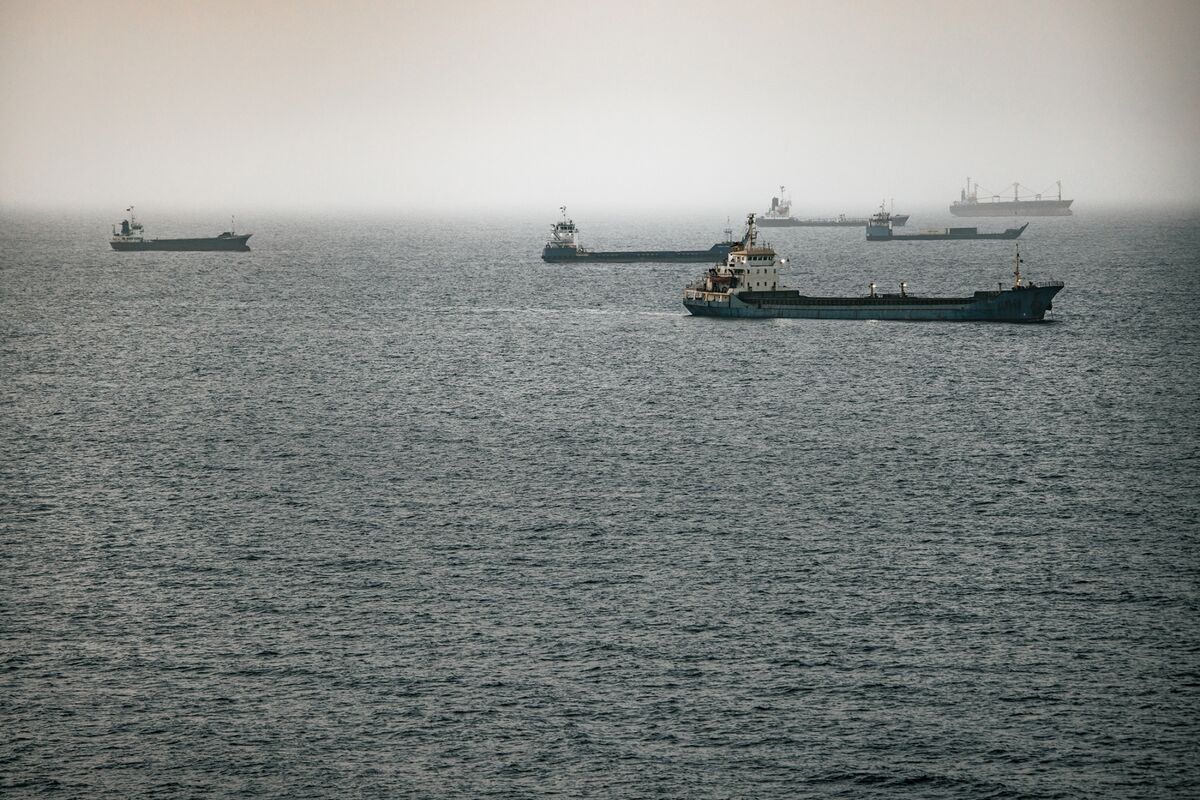
- On Monday and Tuesday, Iran attacked three tankers in the Strait of Hormuz, prompting a strong response from the United States.
- In response to the attacks, the US Treasury revoked a license that allowed Iranian oil sales, with a wind-down period until July 17.
- Following the attacks, US Central Command launched a series of powerful strikes against Iranian targets, stating that Iran's actions were wholly unacceptable.
- The Strait of Hormuz is a critical maritime route, through which approximately 20% of the world's oil passes, making it a focal point of geopolitical tensions.
- Iran's oil exports are vital for its economy, providing billions of dollars in revenue, and the recent attacks threaten to destabilize the fragile diplomatic agreements between the US and Iran.
- The revocation of the oil waiver by the US comes less than three weeks after it was issued, highlighting the fragile nature of the agreements between the two nations.
The U.S. Treasury Department revoked a waiver allowing Iranian oil sales on July 7, following a series of attacks on commercial vessels in the Strait of Hormuz. A U.S. official described Iran's actions as "wholly unacceptable" and warned of consequences. The revocation comes amid fragile diplomatic negotiations between Washington and Tehran, which had previously agreed to a memorandum of understanding aimed at easing tensions.12567
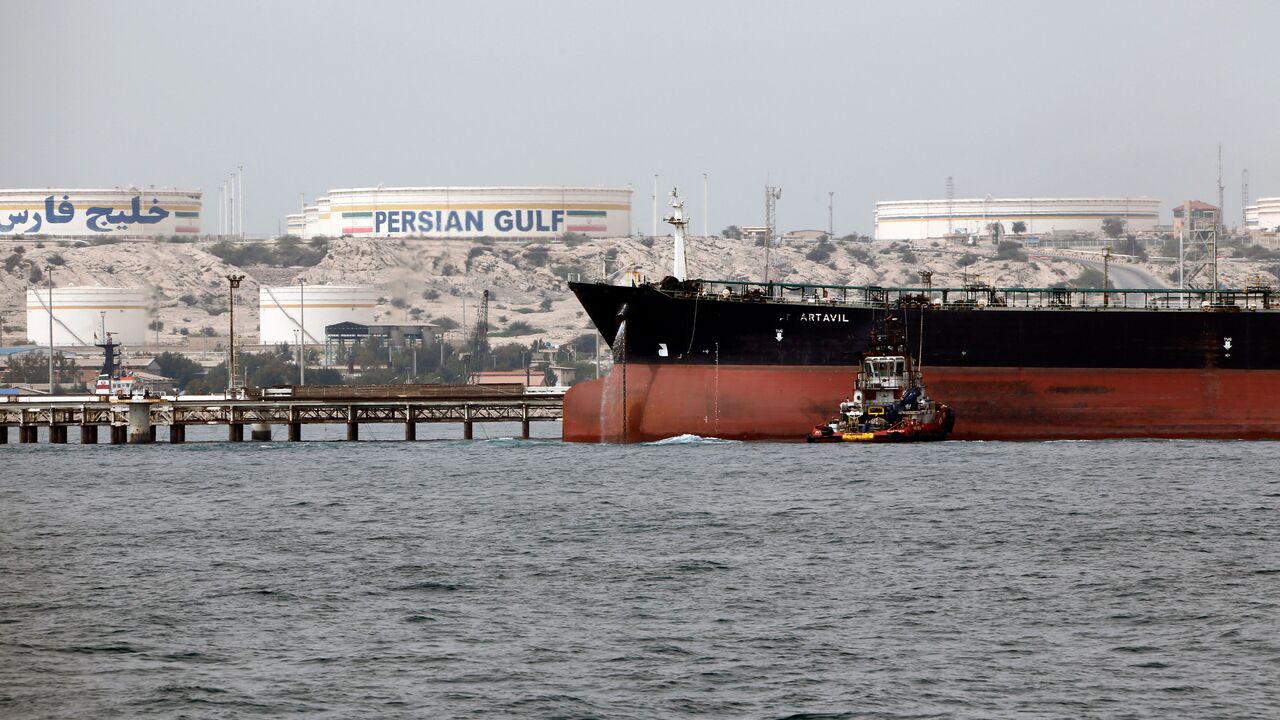
The attacks involved three tankers, including a liquefied natural gas vessel, which were struck by unknown projectiles, leading to a 5% rise in oil prices. The UK Maritime Trade Operations agency raised the threat level for the strait to "severe" following these incidents, marking the highest number of attacks in a single day since late April.

In response, the U.S. launched a series of "powerful" strikes against Iranian targets, with U.S. Central Command stating that these actions were necessary to impose heavy costs for targeting commercial shipping. The revocation of the waiver was effective immediately, requiring any ongoing oil transactions to wind down by July 17. This decision underscores the precarious nature of the diplomatic efforts, as both sides had been negotiating terms to limit Iran's nuclear program and ease sanctions.34

Iran has not claimed responsibility for the attacks, but both Saudi Arabia and Qatar condemned the actions, holding Iran accountable for the damage to their vessels. The situation remains tense, with the potential for further escalation threatening the fragile peace efforts.
“Oil prices rose more than 5% after the revocation, with Brent crude nearing $76 a barrel. Saudi Arabia and Qatar condemned the attacks, with each stating a tanker from its country was hit.”

 The Jerusalem Post
 The Independent
 CNBC
CNBC The Sun
 The Mirror
 CBS NewsCNBC
 BBC
BBC



