- On Wednesday (August 19, 2026), Trump promised the 'most crushing' economic operation ever against Iran, as he faces criticism at home over the war's impact and upcoming midterm elections.
- The U.S. warned allies and China on Thursday (August 20, 2026) to join the campaign against Iran, vowing to 'collapse this regime' in Tehran.
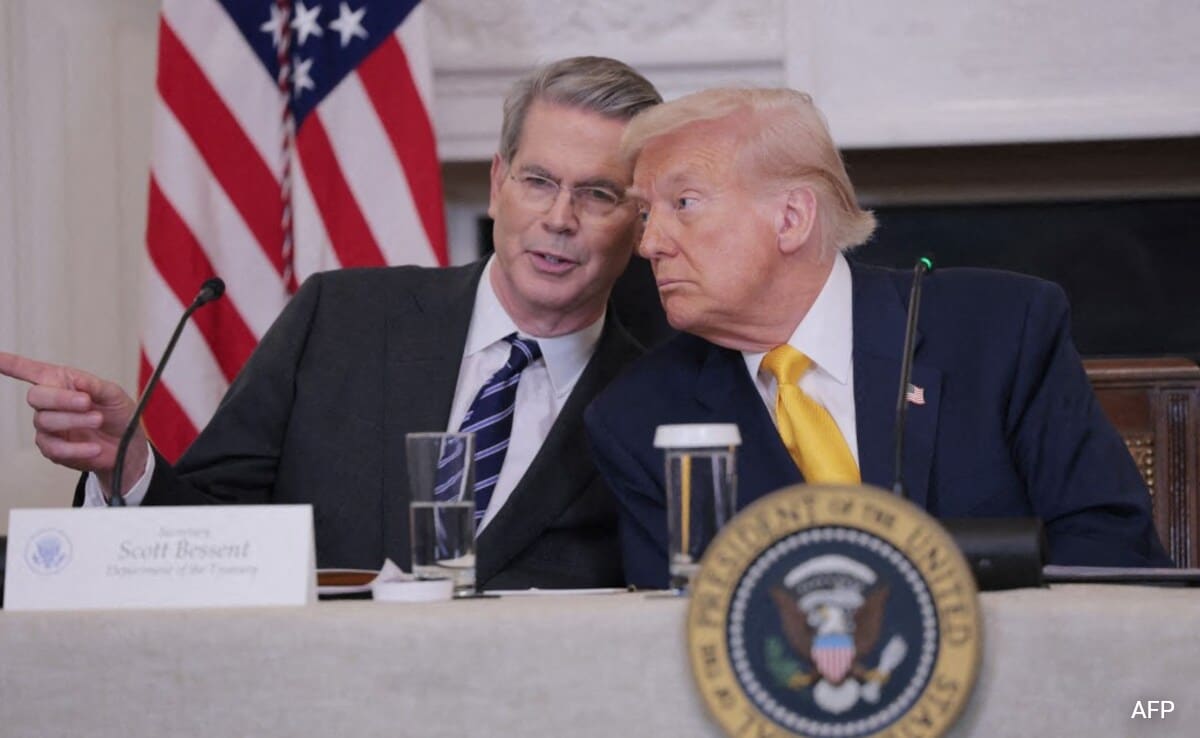
- Treasury Secretary Bessent called for the 'greatest coordinated economic isolation in the history of the world', stating 'you are either with us or against us.'
- Bessent announced he would provide more details during a press conference on Monday (August 24, 2026).
- Bessent's comments reflect a shift by Trump towards economic pressure on Tehran as the war approaches its six-month mark.
- Iran has labeled the U.S. threats as 'economic terrorism' and expressed confidence that they would fail.
- Bessent indicated that the U.S. would pressure China, suggesting that 'many conversations are best to have in private' but urged Beijing to 'get with the program.'
- Bessent's remarks signify a return to discussions of regime change in Iran, contrasting with Trump's previous focus on preventing Tehran from acquiring nuclear weapons.
The United States is intensifying its economic pressure on Iran, urging allies and China to join President Trump's campaign to isolate Tehran. Treasury Secretary Scott Bessent emphasized that the U.S. aims to 'collapse this regime,' marking a shift from military to economic strategies as the conflict stagnates.5
Bessent stated, “This is going to be the greatest coordinated economic isolation in the history of the world. And we are going to them and saying you are either with us or against us,” highlighting the urgency of the U.S. approach.
As the midterm elections approach, Trump has promised the “most crushing” economic operation against Iran, which he describes as an “economic D-Day.” The U.S. government has initiated Operation Economic Fury, combining sanctions and a naval blockade against Iranian ports.
Despite these measures, Iran has labeled the U.S. threats as “economic terrorism” and has shown resilience in circumventing sanctions through irregular channels. Experts suggest that the new strategy may target third countries that engage with Iran, expanding the sanctions' impact.
Bessent's comments also signal a return to discussions of regime change in Iran, a shift from previous U.S. goals focused solely on nuclear disarmament. “Many conversations are best to have in private,” he remarked regarding potential pressure on China, urging Beijing to align with U.S. efforts.8
As the situation evolves, the effectiveness of these economic measures remains uncertain, with analysts noting that Iran has previously adapted to sanctions through innovative methods.
“Bessent's comments mark a return to regime-change talk after months of Trump framing the war as preventing a nuclear weapon. He called on Beijing to 'get with the program' and will detail the plan Monday, as midterm elections loom.”



 BBC
BBC