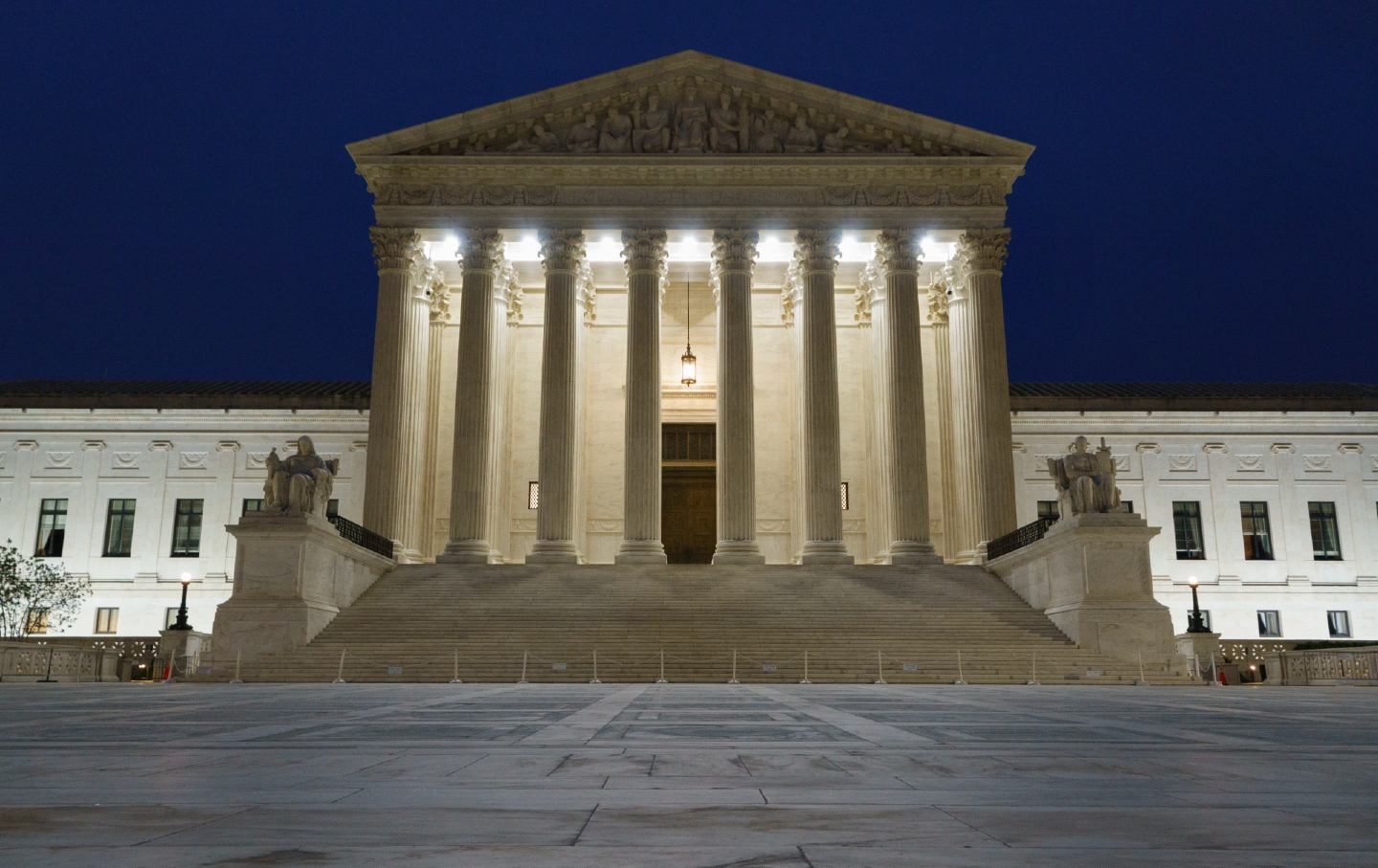
- The Supreme Court granted relief from injunctions that had blocked the rule, allowing the US Postal Service to implement mail-in ballot restrictions.
- The US Postal Service announced that the mail-in ballot restrictions are now in effect, which will compile lists of eligible voters using input from states.
- As the US midterm elections approach, states are preparing to send out millions of ballots to voters through the mail ahead of November 3.
- The agency said the injunctions no longer preclude implementation of the rule for November 3, 2026 or any earlier federal election.
- The measures would compile lists of eligible voters using input from US states and only deliver ballots to individuals on those lists.
New restrictions on mail-in ballots by the US Postal Service are now in effect, requiring ballots to be delivered only to voters on state-compiled lists. This decision follows a ruling by the US Supreme Court favoring the Trump administration's measures, despite ongoing legal challenges from 24 states.
The Postal Service stated that it would compile lists of eligible voters using input from states, ensuring that only those on the lists receive ballots. Critics, including state attorneys-general, argue that these measures are unconstitutional and could cause “significant, imminent, and irreparable harm” by imposing “new and burdensome mail voting requirements” just before the elections.
Voting by mail has been a contentious issue, with President Trump frequently claiming it leads to fraud, despite evidence to the contrary and his own use of mail-in voting. In March, Trump signed an executive order mandating the creation of eligible voter lists and directing the Postal Service to adhere to these new guidelines.
As states gear up to send out millions of ballots ahead of the November 3 midterm elections, the implications of these restrictions could significantly impact voter participation and the electoral process.
“The rule applies to the November 3, 2026 midterm elections and any earlier federal election, as injunctions no longer block implementation. States are preparing to send out millions of ballots, with the agency relying on state-provided voter lists to determine delivery.”