- US forces in Europe do not have enough Patriots to defend against a sustained ballistic missile attack, with only a very limited ability to stop even a single strike.
- If Russia were to launch a ballistic missile assault, NATO could find itself in a position similar to Ukraine, facing multiple attacks without adequate defense.
- Patriot missile stockpiles have been severely depleted, with estimates suggesting that 45% to 65% of the Pentagon's inventories are gone, leaving fewer than 1,000 available.
- Rebuilding the depleted stockpiles could take three to five years, with THAAD interceptors potentially taking more than three and a half years to restore.
- American Patriot missile stockpiles have fallen to critically low levels due to ongoing military engagements with Iran, raising major operational concerns for regional defense networks.
- Kyiv states that only US-made Patriots can stop Russia's advanced ballistic missiles, but they operate too few batteries for comprehensive coverage.
- Recent US and Israeli operations against Iran have consumed high volumes of Patriot and THAAD interceptors, reducing the US Patriot inventory by an estimated 65% from prewar levels.
- Ukraine is seeking long-range capabilities to target Russian launchers and infrastructure, while European nations are searching for available Patriot interceptors to support Ukraine ahead of winter strikes.
The U.S. military is grappling with a severe shortage of Patriot missile interceptors in Europe, primarily due to stockpiles being redirected to the Middle East amid ongoing conflicts.
Officials warn that NATO could face dire consequences if Russia launches a ballistic missile attack, potentially mirroring Ukraine's struggles.8
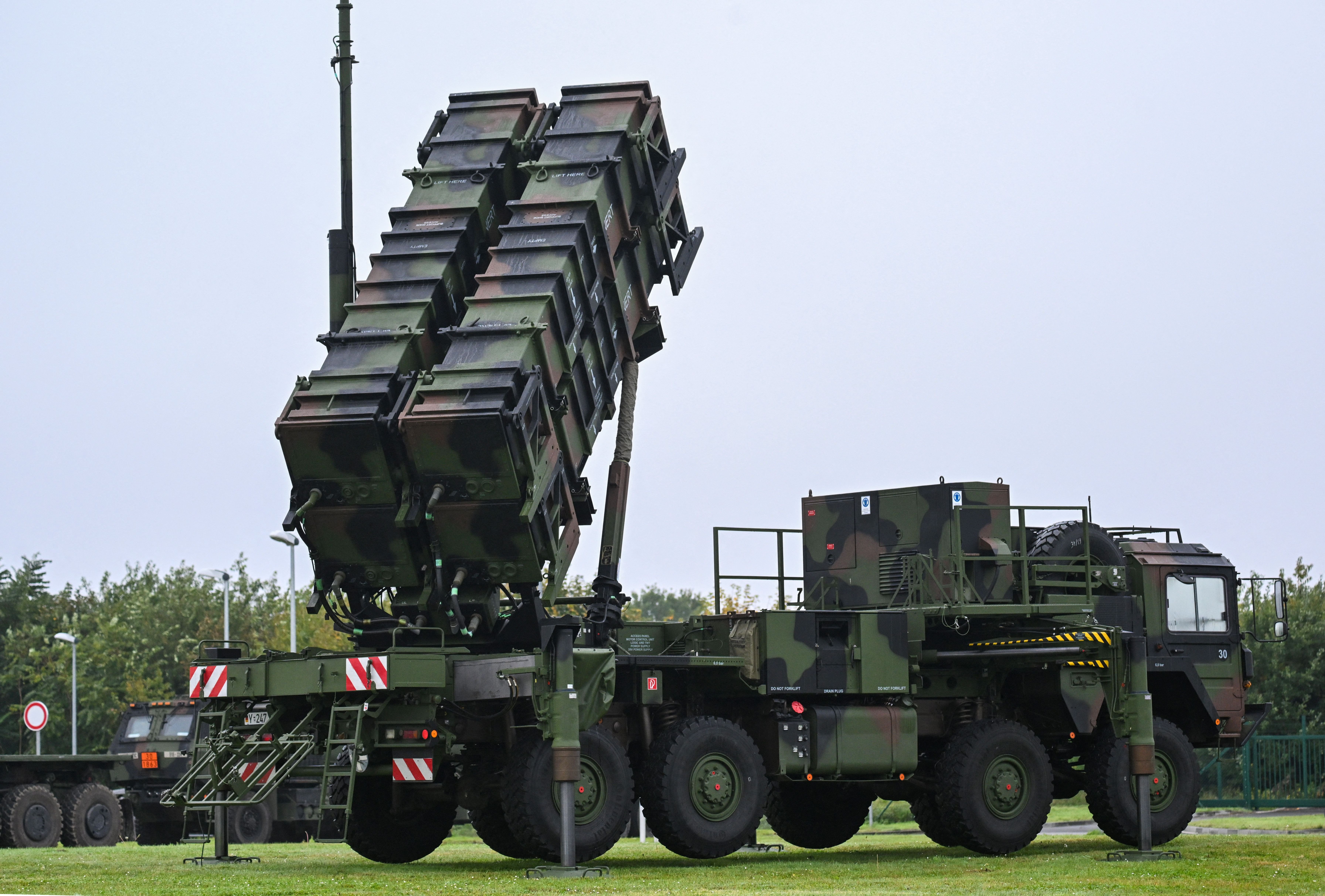
American forces in Europe lack sufficient Patriots to defend against sustained assaults, with only a "very limited" capacity to counter even a single missile strike.1
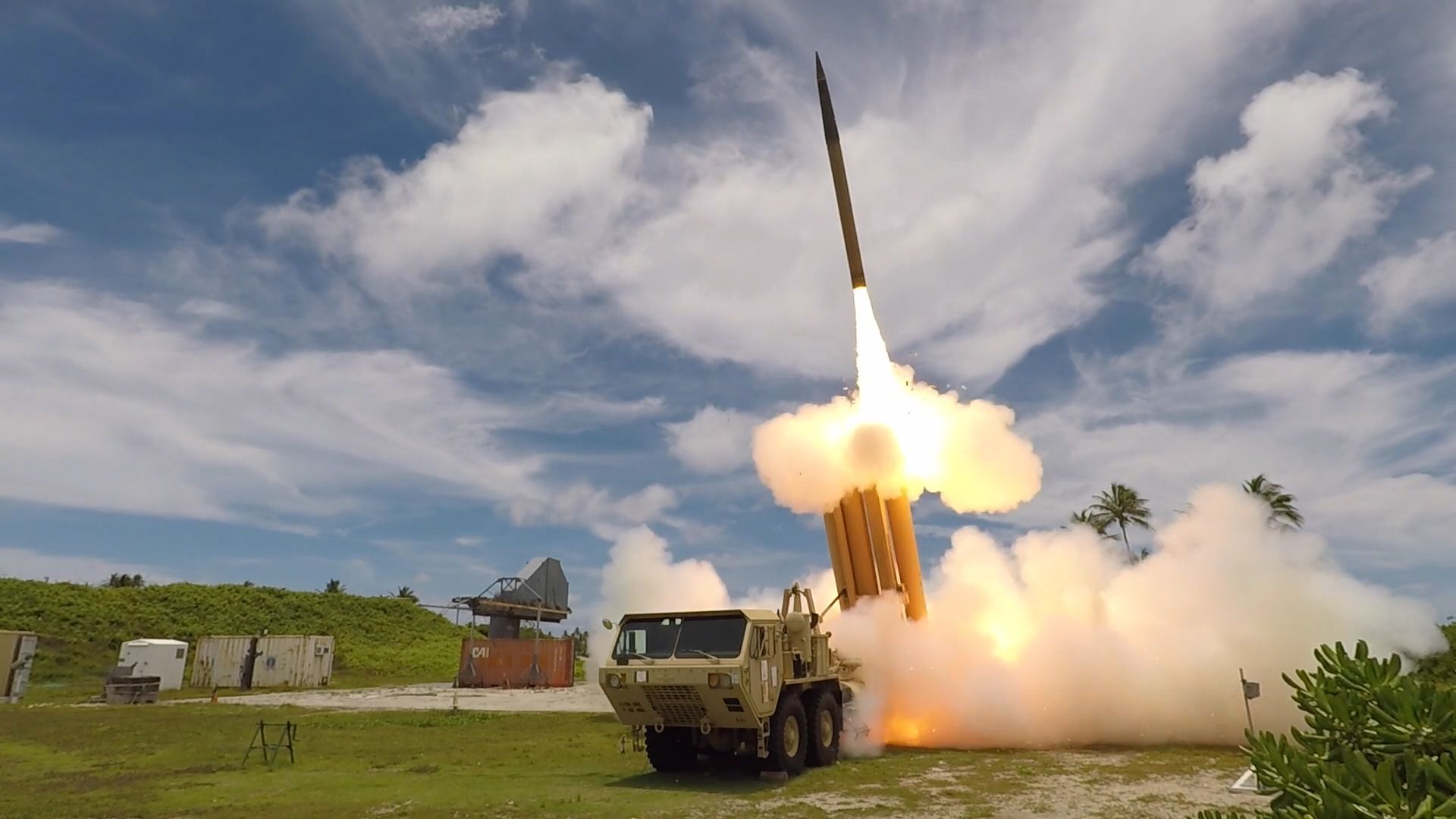
As of now, fewer than 1,000 interceptors remain in reserve, a significant drop from prewar levels, with estimates suggesting a depletion of 45% to 65% of the Pentagon's inventory.3
Ed Arnold of the Royal United Services Institute noted that the conflict with Iran has rapidly drained U.S. munitions, exposing supply chain vulnerabilities.
European and NATO officials project that by 2030, stockpiles may recover, but immediate concerns remain as Russia could be poised to attack alliance countries.
Kyiv emphasizes that only U.S.-made Patriots can effectively counter Russia's advanced missiles, which have increasingly penetrated Ukrainian defenses.6
As the Pentagon ramps up production, it faces challenges in scaling munitions to meet both current and future demands, with estimates indicating it could take three to five years to restore critical stockpiles to prewar levels.4
“CSIS estimates over 1,400 Patriot interceptors have been fired, leaving fewer than 1,000 in reserve, with rebuilding potentially taking three to five years. Lockheed Martin aims to produce 2,000 PAC-3 MSE interceptors annually by 2030, but current output cannot meet global demand.”
 UNITED24 Media