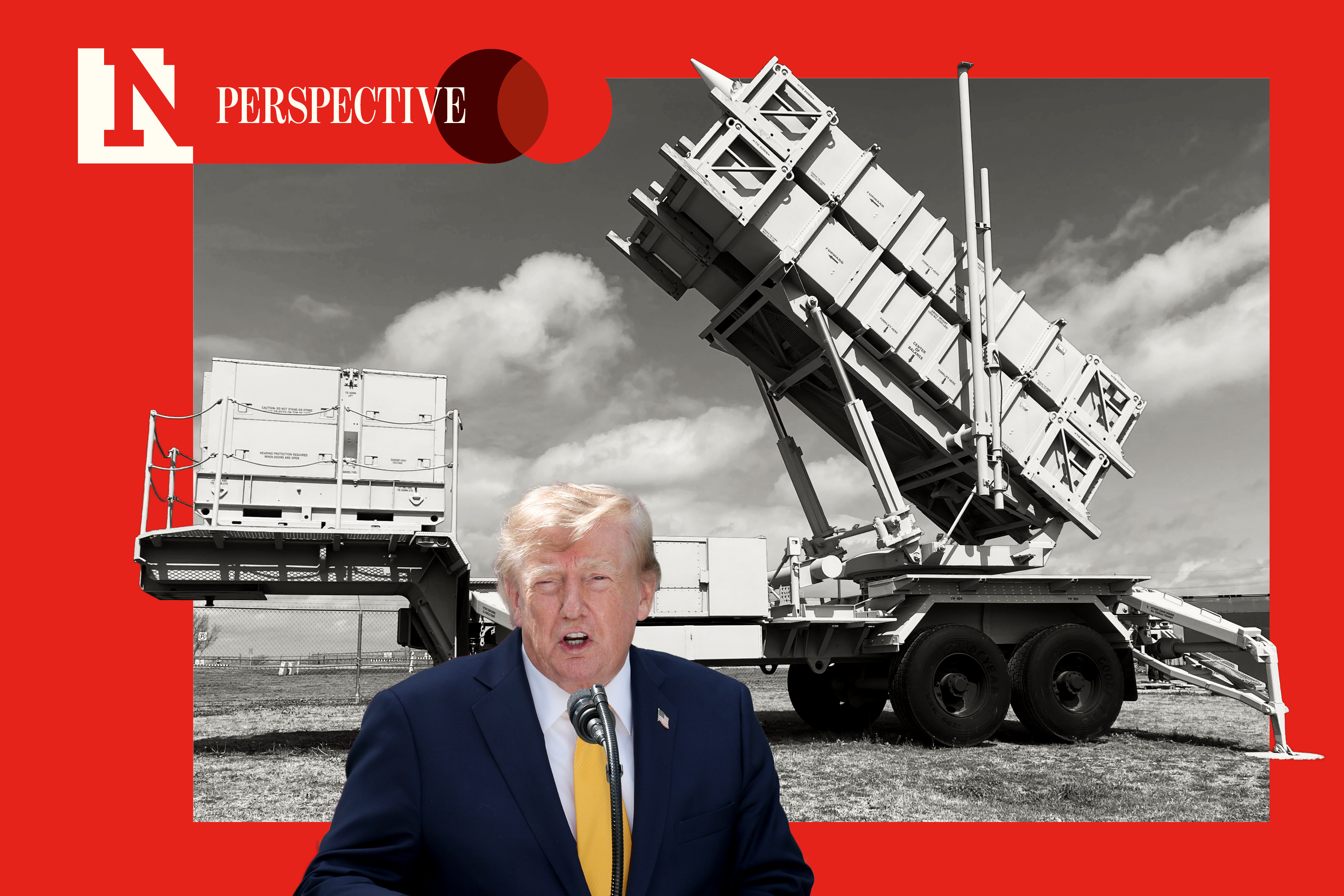
- Lockheed and the Department of War announced a framework agreement on January 6, 2026, to lift annual PAC-3 MSE capacity from about 600 to 2,000 interceptors, compared to 620 delivered in 2025.
- Patriot stocks were reported to be under 1,000 in July, raising concerns about U.S. readiness in a Western Pacific conflict, while U.S. Patriot buys averaged about 225 missiles a year against roughly 1,500 expended in six months.
- On June 11, Trump invoked Section 708 of the Defense Production Act to let the Pentagon organize production agreements among competitors without antitrust exposure.
- Two weeks later, the White House requested $87.6 billion in supplemental funding, including $21 billion for munitions, with none earmarked for Patriots.
- On July 29, the Army replaced a one-year contract with a seven-year arrangement for PAC-3 MSE procurement, raising the ceiling to $58.62 billion.
- In an August 5 memo, Deputy Defense Secretary Steve Feinberg gave defense companies 21 days to propose faster schedules or higher output, stating that yearslong development cycles are not acceptable.
- In January, Trump signed an executive order barring major defense contractors from buying back stock or paying dividends at the expense of accelerated procurement.
- The New York Times and Wall Street Journal reported that the White House called off planned strikes on Iran over depleted interceptor stocks.
A critical shortage of U.S. Patriot missiles in Europe has emerged, with stocks reported to be at "beyond critical" levels. Recent conflicts have led to the depletion of inventories, with 1,500 interceptors expended in just six months, leaving less than 1,000 available for defense needs.
In response, Lockheed Martin and the Pentagon have agreed to increase the production of PAC-3 MSE missiles from 600 to 2,000 annually. This decision comes as U.S. purchases have averaged only 225 missiles per year over the last decade, highlighting a significant gap between supply and demand.
The new seven-year contract for PAC-3 MSE procurement, covering fiscal years 2026-2032, has a ceiling of $58.62 billion, allowing contractors to enhance production capabilities. Lockheed's investment of $8 billion to $9 billion through 2030 aims to boost employment at production facilities from 1,200 to 1,850 workers.6
Despite these efforts, the White House's recent funding requests have not allocated resources specifically for Patriot missiles, raising concerns about the U.S. military's readiness in potential conflicts. The situation remains precarious, as the New York Times and Wall Street Journal reported that planned military strikes on Iran were called off due to depleted interceptor stocks.9
“The July analysis warned of near-term readiness risk in a Western Pacific conflict, while the Army's seven-year contract raises the ceiling to $58.62 billion, with only $4.7 billion firm. Trump's executive order bars buybacks, and the White House called off Iran strikes over depleted stocks.”