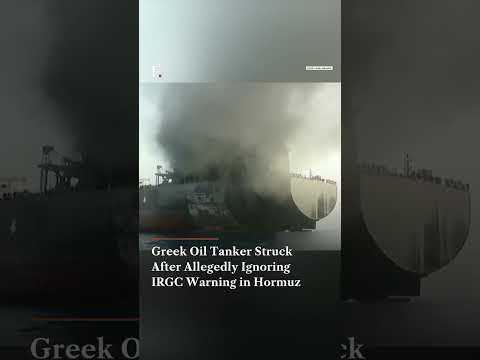
- Oil prices rebounded slightly on Tuesday after plunging in the previous session, on concerns Middle Eastern supply remains at risk as a diplomatic resolution to the U.S.-Iran war seems unlikely: Brent futures rose 0.7% to $84.39 a barrel and WTI crude was 0.7% higher at $80.95.
- Iran's Foreign Ministry spokesman Esmail Baghaei said no negotiations with the U.S. were taking place and no meetings were scheduled.
- The Strait of Hormuz remains a central point of contention: Washington says the memorandum of understanding agreed in June required Iran to open the waterway, while Tehran argues the text explicitly preserved its authority.
- Analysts at Barclays said crude and refined product net exports through the strait averaged 4.2 million barrels per day in the week ended July 31, compared with 3.2 million bpd the previous week; traffic between Iran and Oman slowed after reports of vessel attacks, and Hormuz remains dangerous for vessels.
US oil prices have shown signs of recovery after a recent selloff, with Brent crude rising to $84.39 a barrel and West Texas Intermediate climbing to $80.95. This rebound follows a 7% drop in Brent prices and a 5% decline in WTI, attributed to ongoing geopolitical tensions in the Middle East.123
Concerns over the Strait of Hormuz, a critical shipping route for oil, remain high as diplomatic efforts to resolve the US-Iran conflict appear stalled. President Trump indicated a pause in military actions against Iran, but Iran's Foreign Ministry denied any negotiations were taking place, complicating the situation further.56789
Tim Waterer, chief market analyst at KCM Trade, noted, “Some of the sting has been taken out of oil prices ... the move lower remains fragile -- oil could just as easily rebound higher if missiles start flying again.” The Strait of Hormuz is vital, with 20% of global oil consumption transiting daily, and recent reports of vessel attacks have heightened fears of supply disruptions.
Analysts at Barclays reported that crude oil and refined product net exports through the strait averaged 4.2 million barrels per day in the week ending July 31, up from 3.2 million bpd the previous week. The ongoing conflict in the region continues to pose risks to energy flows, with longer voyage times and higher insurance costs affecting market stability.
“Brent futures rose 0.7% to $84.39 and WTI crude gained 0.7% to $80.95 after prior-session drops of 7% and over 5%. Iran's Foreign Ministry spokesman Esmail Baghaei denied any U.S. negotiations, while KCM Trade's Tim Waterer warned the move lower remains fragile if Strait of Hormuz tankers come under fire again.”