- Trump expands economic pressure campaign against Iran.
- US official warns allies that they must choose sides regarding economic isolation of Iran.
- Bessent stated that the economic sanctions would "collapse" the government.
- Bessent indicated that sanctions would reduce the need for military action against Iran.
- Iranian Foreign Minister dismissed the US pressure campaign as a diversion from domestic issues.
- Bessent emphasized that maximum economic pressure would likely prevent a large-scale military response.
- China's role in the situation is significant, as they receive 50% of their energy from the Gulf.
- Chinese President Xi Jinping is scheduled to visit the White House on September 24, where Iran will be discussed.
A US official has issued a stark warning to allies regarding Iran's economic isolation, stating, "You are either with us or against us." This message underscores a significant shift in US foreign policy aimed at exerting maximum economic pressure on Iran.2
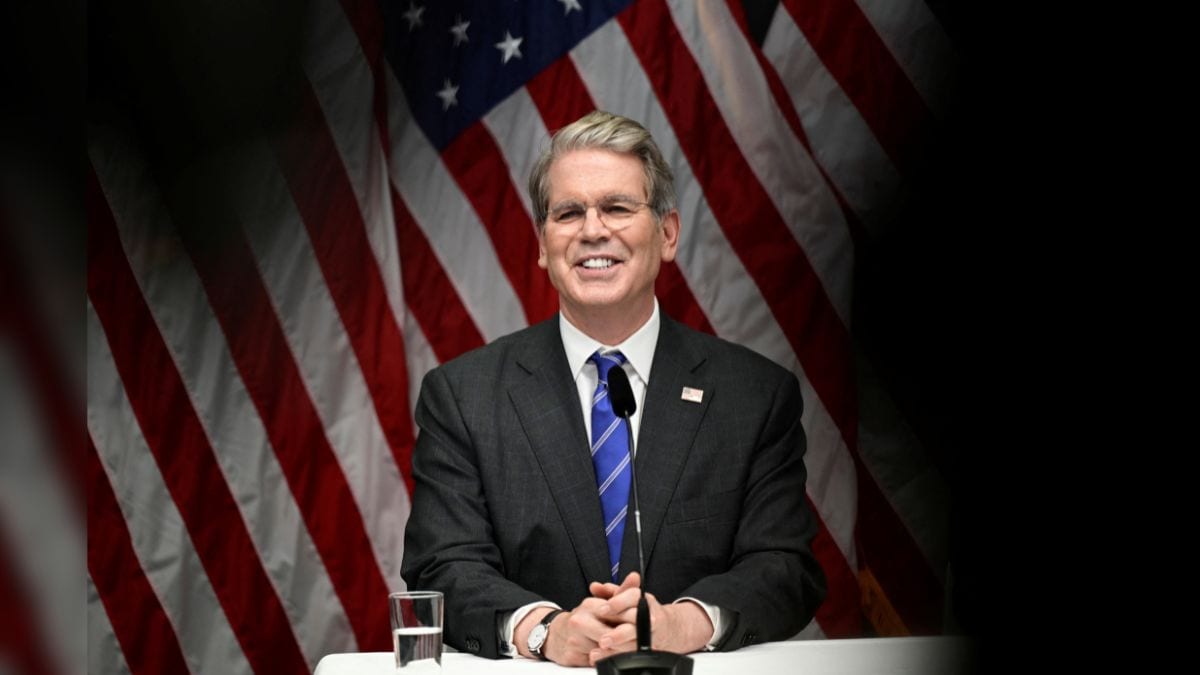
Bessent elaborated that these sanctions are expected to "collapse" the Iranian government, making military intervention less likely. He noted, "If we are doing the maximum economic pressure, then that means that likely there will not be a large-scale kinetic restart, but I will emphasise that is for now".346
The US is also looking to engage China, which relies on the Gulf for 50% of its energy, in a private conversation to align with this strategy. Bessent remarked, "Keep in mind that the Chinese get 50% (of their) energy from inside from the Gulf. So it would do them a big service to get with the programme".
As tensions rise, the upcoming visit of Chinese President Xi Jinping to the White House on September 24 is expected to address the Iran situation, echoing discussions from previous high-level meetings. Bessent expressed confidence that "everyone wants the Strait (of Hormuz) reopened, and for energy prices to come back down".8
In contrast, Iranian Foreign Minister Abbas Araghchi dismissed the US's pressure campaign as a diversion from domestic financial issues, highlighting the complex geopolitical landscape surrounding this issue.5
“Bessent told CNBC that maximum economic pressure likely means no large-scale kinetic restart, but 'that is for now.' He also claimed China gets 50% of its energy from the Gulf, and Xi Jinping's September 24 White House visit will likely address Iran.”