- A U.S. Navy P-8A Poseidon maritime patrol and reconnaissance aircraft transited the Taiwan Strait in international airspace on Friday, in a move the U.S. 7th Fleet said underscored Washington’s commitment to maintaining a free and open Indo-Pacific, Reuters reported.
- The U.S. 7th Fleet stated that the aircraft operated in accordance with international law and that the transit upheld the navigational rights and freedoms of all nations.
- China’s military tracked and monitored the U.S. aircraft throughout its transit, the state-backed Global Times reported, citing a military source.
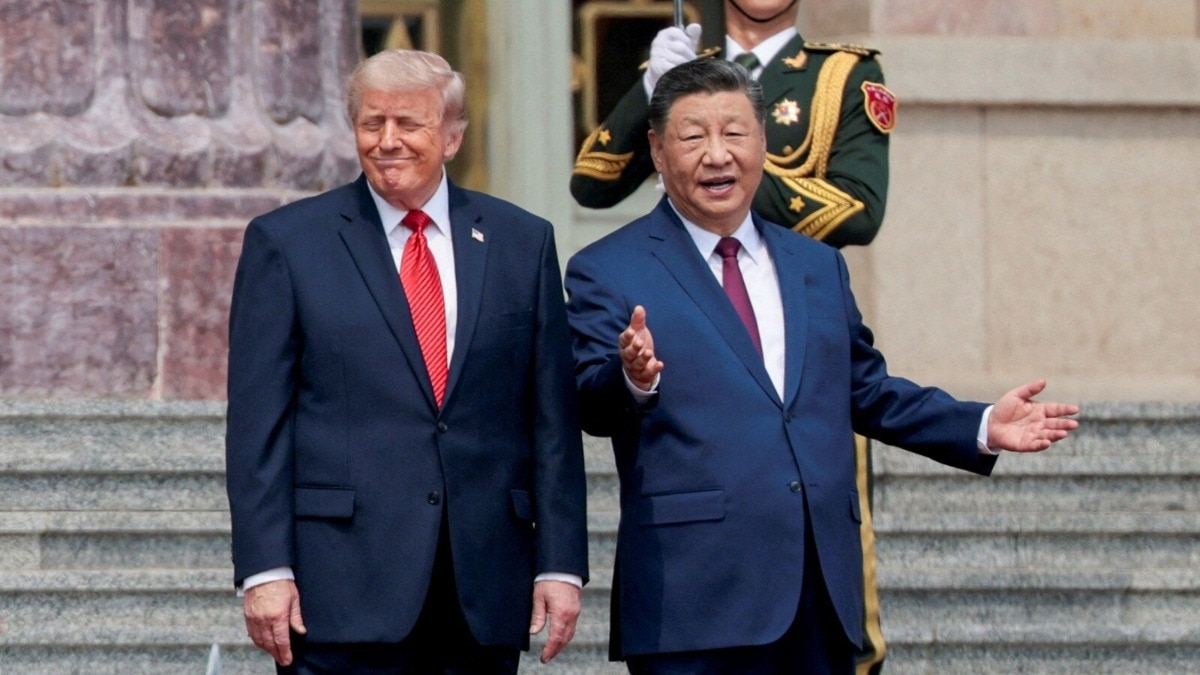
- The transit occurs before a planned meeting between Chinese President Xi Jinping and U.S. President Donald Trump next month, adding significance to the military operation.
- U.S. military ships and aircraft regularly pass through or operate over the Taiwan Strait, which separates Taiwan from mainland China, a situation that is a recurring source of tension with Beijing.
- China claims sovereignty over Taiwan, a democratically governed island, and says it has jurisdiction over the Taiwan Strait, while Taiwan and the United States maintain that the strait is an international waterway.
- The latest U.S. military transit comes as Washington and Beijing seek to stabilize relations that have been strained by disagreements over Taiwan, trade, and technology restrictions.
A U.S. Navy P-8A Poseidon aircraft transited the Taiwan Strait on Friday, a move that the U.S. 7th Fleet stated underscores Washington's commitment to a free and open Indo-Pacific. The fleet emphasized that the aircraft operated in accordance with international law, upholding the navigational rights of all nations.12
China's military closely monitored the U.S. aircraft throughout its transit, with a military source indicating that the situation remained under control. Such military operations are a recurring source of tension with Beijing, which claims sovereignty over Taiwan and jurisdiction over the Taiwan Strait. The U.S. military regularly conducts missions in the area, asserting that the strait is an international waterway protected under international law.
The timing of this transit is significant, as it precedes a planned meeting between Chinese President Xi Jinping and U.S. President Donald Trump next month, amidst ongoing tensions over Taiwan, trade, and technology restrictions. The U.S. has reiterated that it will continue to operate in the region, stating, “The United States military flies, sails, and operates anywhere international law allows.” Meanwhile, Taiwan maintains that only its people can decide the island's future, rejecting China's sovereignty claims.4
This latest military operation highlights the delicate balance of power in the region and the ongoing complexities of U.S.-China relations.
“The U.S. 7th Fleet said the transit upheld navigational rights and freedoms, while China's military reported the situation was under control. Beijing claims Taiwan as its own territory and calls the strait a red line, adding to tensions ahead of the summit.”
 Business Today