- U.S. President Donald Trump’s envoys arrived in Moscow on Thursday for talks with President Vladimir Putin about the results of U.S.-mediated talks between Russian and Ukrainian delegations.
- The Ukrainian leader gave a muted welcome to the outcome of the talks, saying the proposed prisoner exchange was a positive step, but insisted that Ukraine will not give in to demands that it cede its territory that has been occupied by Russia in exchange for peace.
- Hopes had been low for any significant breakthrough in the first meeting in nine months between the delegations, as Russia and Ukraine have from time to time swapped POWs but have remained far apart in their demands for accepting a peace settlement.
- Key hurdles include postwar security guarantees for both countries, the fate of Russian-occupied Ukrainian territory, and the role of European countries in an eventual settlement.
- Moscow doesn’t want European countries involved in the direct negotiations, but Kushner said one of the goals of the Moscow meeting is to try to get Europeans added to the talks.
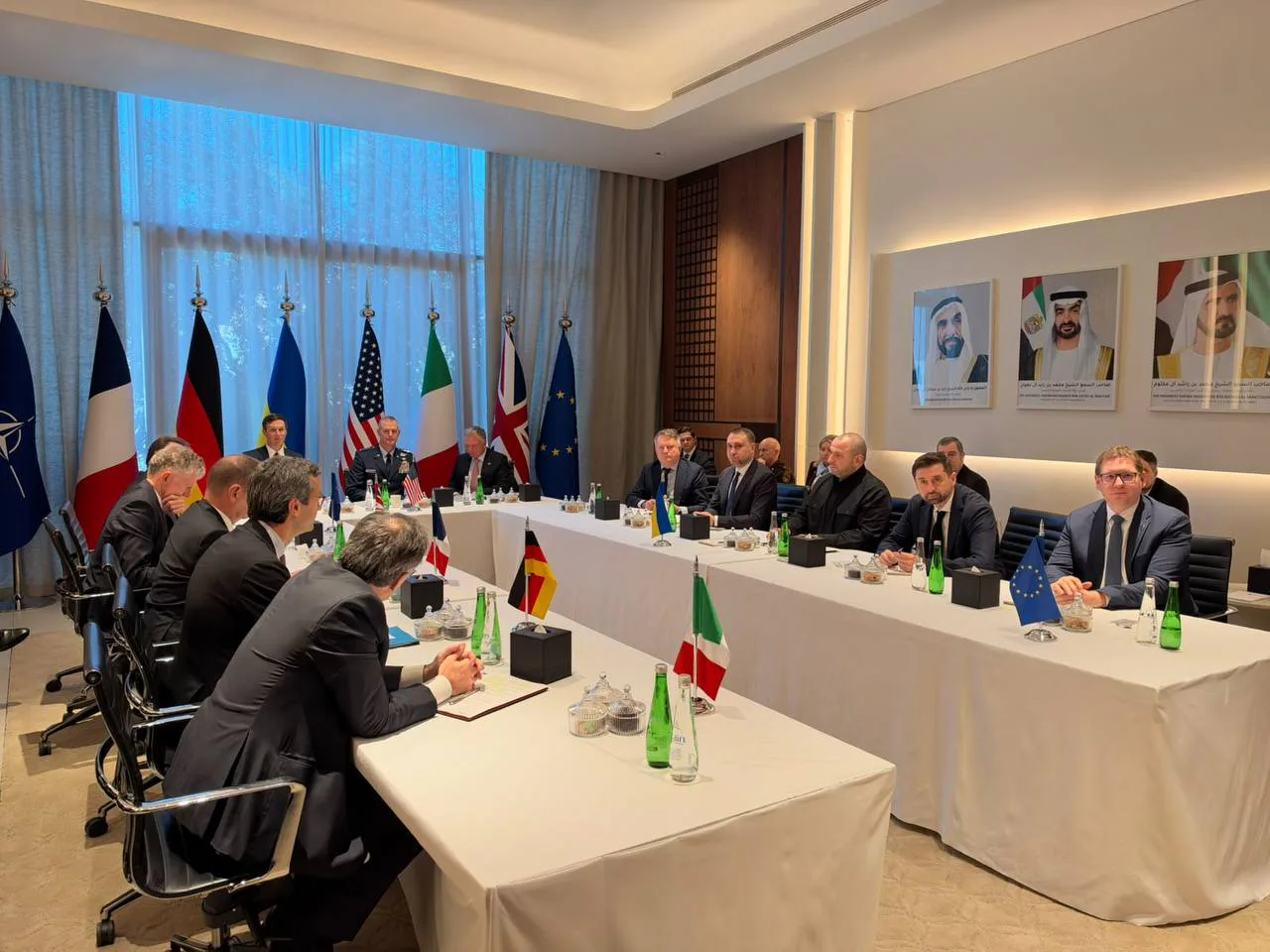
- Kushner noted that both Ukraine and Russia needed clarity on postwar security arrangements, and European countries, the EU and NATO have to be involved in those discussions to build consensus on next steps.
- Kremlin spokesman Dmitry Peskov said Wednesday that European representatives could eventually join peace talks but added their current statements “don’t indicate any desire on their part to contribute to movement along the path toward peace.”
- Moscow complains that Europe is financing and supplying weaponry to Ukraine. Ukraine wants to ensure that Moscow doesn’t attack again, and EU officials say any discussions on Europe’s security arrangements could only start after a ceasefire.
- Many in Europe see the inclusion of Russia in those plans as a concession to Putin, who has described NATO’s eastward expansion as a top security threat to his country.
- Moscow has demanded that the alliance withdraw its troops from Russia’s borders.
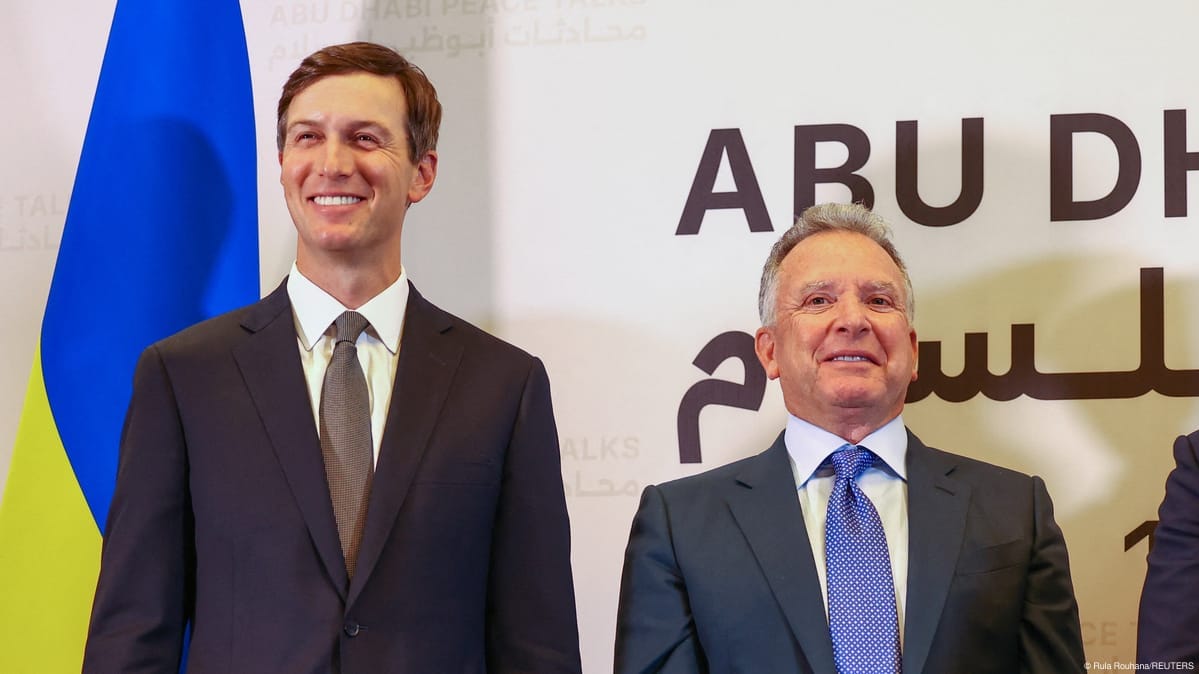
U.S. envoys Steve Witkoff and Jared Kushner arrived in Moscow for discussions with President Putin, following a two-day meeting in Abu Dhabi that resulted in a significant prisoner exchange but no major breakthroughs in peace negotiations.
The Ukrainian President, Volodymyr Zelenskyy, acknowledged the prisoner exchange as a positive development but firmly stated, "Ukraine will not give in to demands that it cede its territory that has been occupied by Russia in exchange for peace."23
Hopes for substantial progress were low, as this marked the first meeting in nine months between the conflicting parties.
The discussions highlighted key issues, including postwar security guarantees and the fate of Russian-occupied territories. Kushner emphasized the necessity of involving European nations in the talks to ensure a comprehensive peace settlement.
Kremlin spokesman Dmitry Peskov noted that while European representatives could eventually join peace talks, their current stance does not indicate a willingness to facilitate progress.10
Ukraine remains cautious, insisting that any discussions regarding European security arrangements can only commence after a ceasefire is established.
Many European officials view the inclusion of Russia in security discussions as a concession to Putin, who perceives NATO's eastward expansion as a significant threat.13
The ongoing conflict has seen intermittent prisoner exchanges, yet both sides remain far apart on a lasting peace agreement.
“Kremlin spokesman Dmitry Peskov said European representatives could eventually join peace talks but their current statements don't indicate a desire to contribute to peace. Kushner noted that both Ukraine and Russia need clarity on postwar security arrangements, with EU and NATO involvement required to build consensus.”