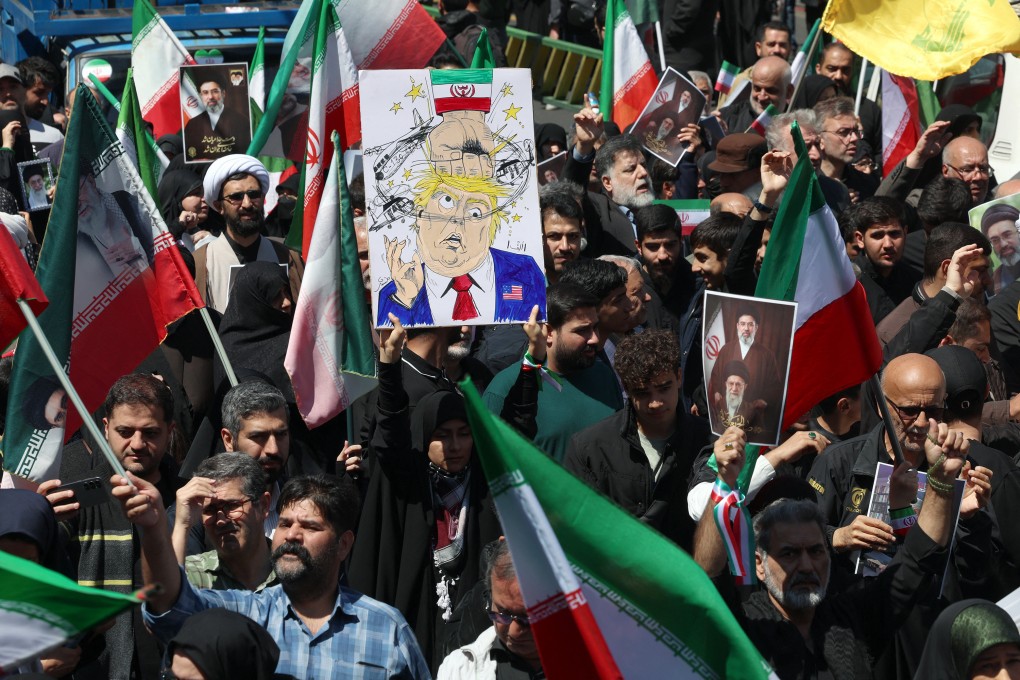
- The US-Iran war began with an Israeli strike that killed Ayatollah Ali Khamenei in the opening salvos.
- The conflict has cost the United States more than $37.5 billion.
- Trump shared a social media post declaring 'MISSION ACCOMPLISHED 2026', featuring an AI-generated image of himself with fighter jets and a warship.
- The administration is shifting strategy to economic pressure, threatening to punish countries that do business with Tehran.
- Trump stated he is 'not in a hurry' to negotiate with Iran, claiming the Islamic Republic’s leadership is in deep trouble.
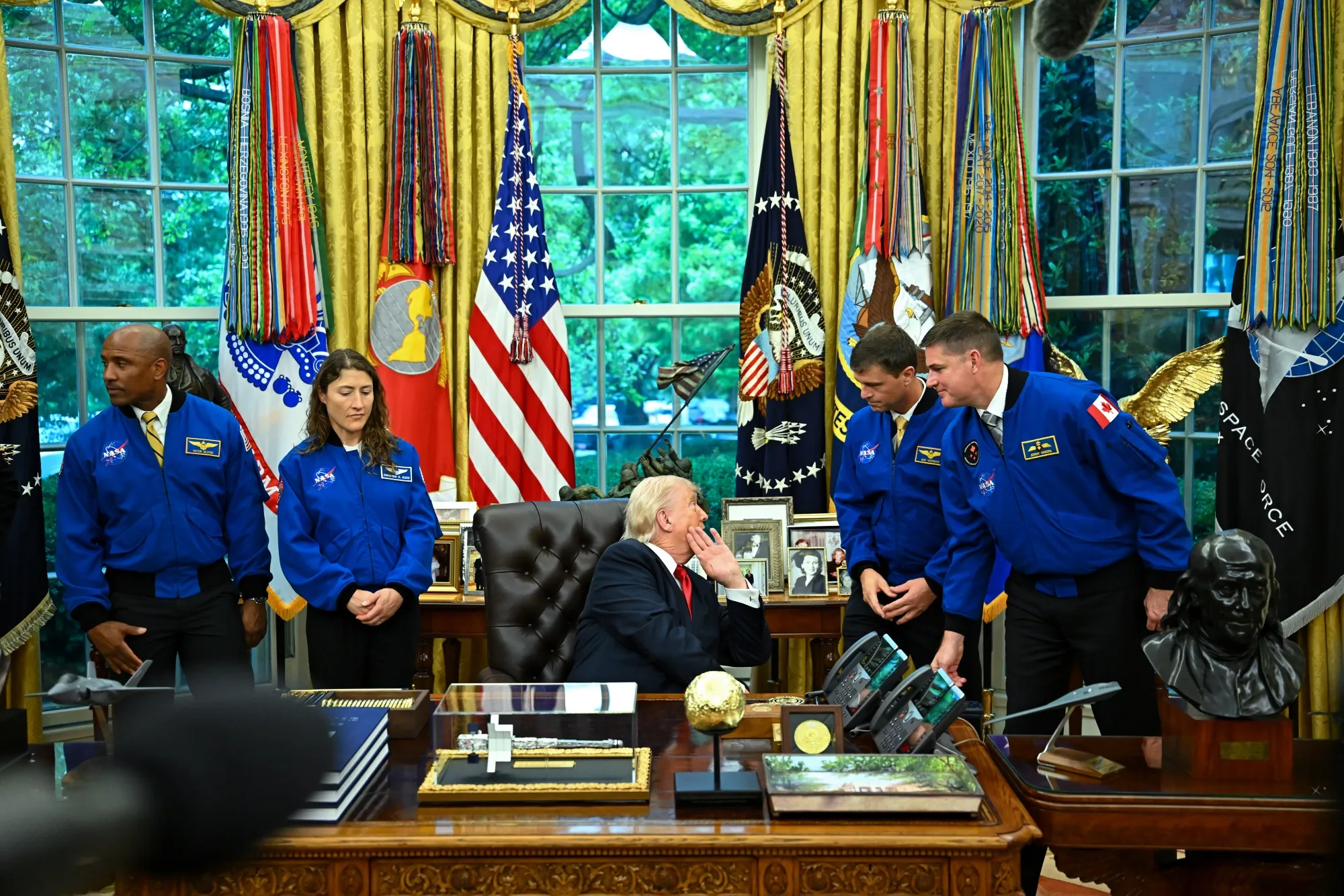
As the U.S.-Israel war against Iran reaches its six-month mark, President Trump faces mounting criticism for failing to achieve his initial objectives.
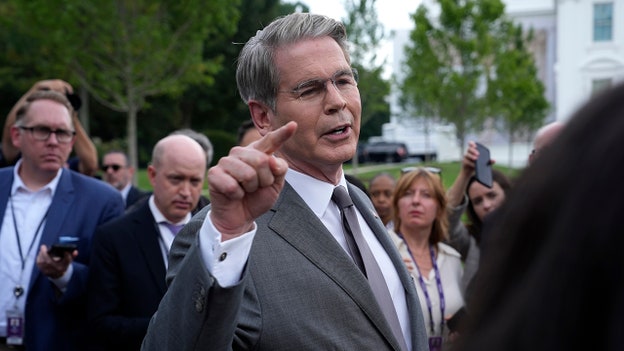
Sen. Jack Reed stated, “Six months later, not a single objective has been achieved,” highlighting the conflict's prolonged nature and its impact on U.S. standing in the Middle East.
The Trump administration is now pivoting to economic pressure, threatening sanctions on countries and entities that continue to do business with Iran. This shift follows the announcement of “Operation Economic Outcast”, aimed at limiting financial support to Tehran.4
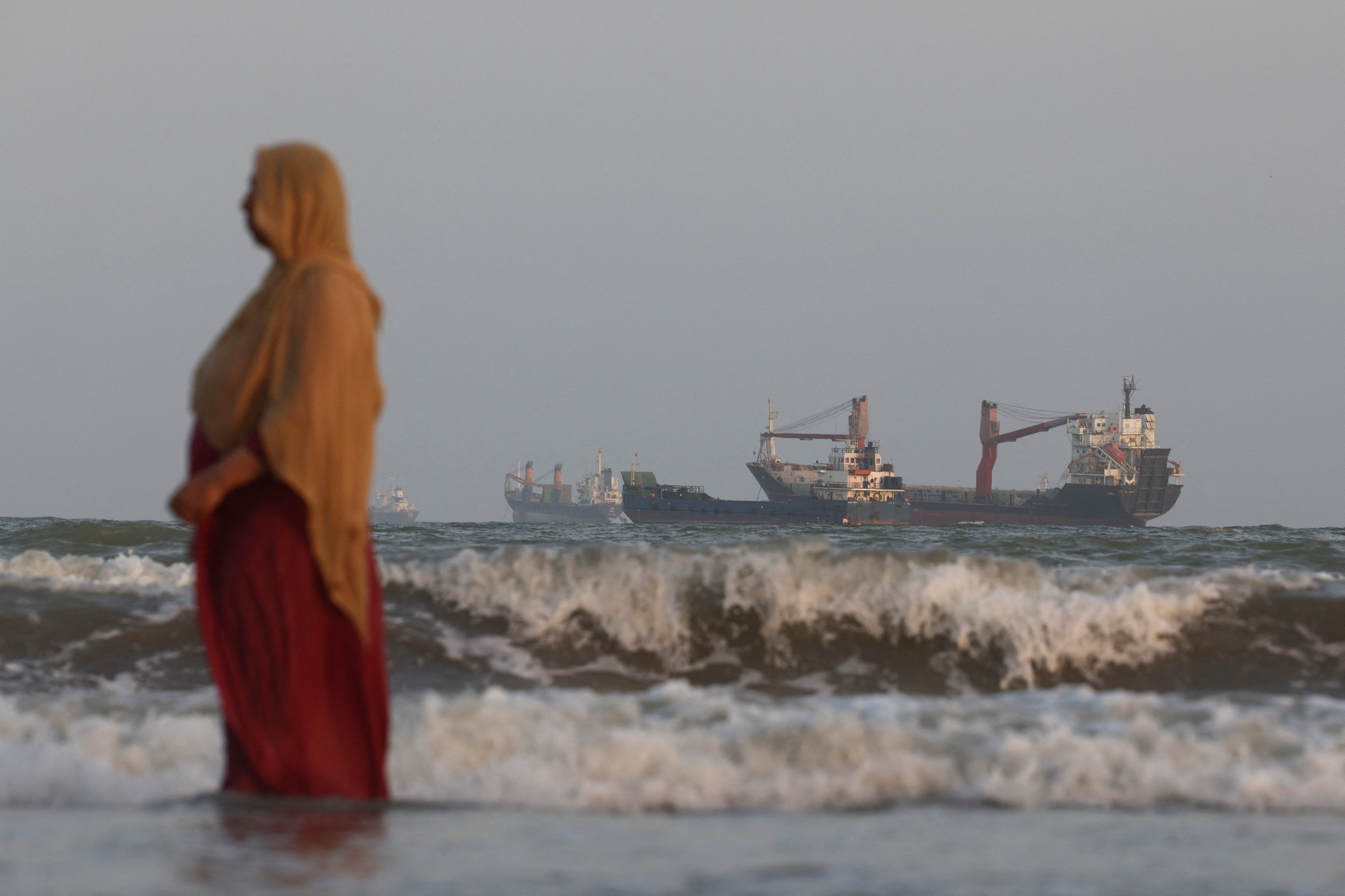
The conflict has already cost the U.S. over $37.5 billion and resulted in significant disruptions to international shipping, with the International Maritime Organization reporting at least 70 attacks on vessels in the Persian Gulf since the war began.2
Despite Trump's claims of victory, the war has not concluded, and the administration's focus on sanctions reflects concerns over dwindling military resources. Trump remarked, “We’re not looking to meet or anything,” indicating a reluctance to engage diplomatically with Iran.
As the conflict continues, the implications for U.S. military readiness and regional stability remain uncertain.
“The conflict has cost the United States more than $37.5 billion, and Trump says he is 'not in a hurry' to negotiate, claiming Iran's leadership is 'in deep trouble.' The administration's pivot to sanctions comes amid concerns over diminished munitions stockpiles and U.S. military readiness.”