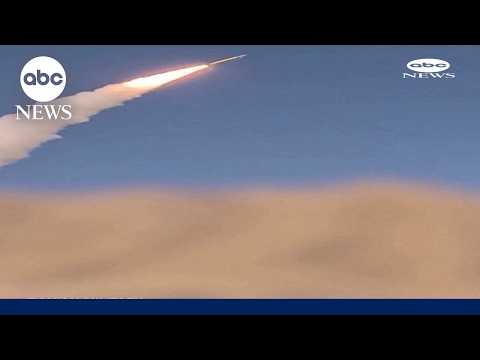
- The US military carried out a 13th straight night of strikes on Iran, targeting the degradation of Iran's ability to threaten shipping.
- Houthi rebels struck two Saudi oil tankers (Encelia and Layla) in the Red Sea, causing fires and pushing Brent crude above USD 100 a barrel.
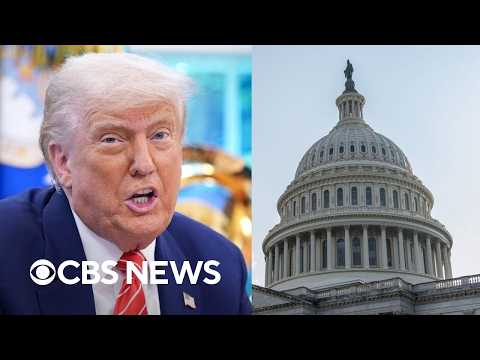
- President Donald Trump warned of 'major military punishment' if Houthi attacks continued, while UN Secretary-General Antonio Guterres urged de-escalation.
- Iran's health ministry said 55 people had been killed and 629 wounded since renewed US airstrikes began on June 27.
- The U.S. military completed its 13th consecutive night of strikes on Iran on July 23, 2026.
- Tanker crossings through the Strait of Hormuz fell to just one on July 23, the lowest since May 7, and oil prices surged to $100 a barrel.
- The US military announced the 13th night of strikes against Iran amid escalating clashes over shipping routes.
- In response to Iran's attacks, the US began a widening campaign of strikes across Iran and restored a naval blockade of Iran's ports.
- The Houthi attacks put at risk oil shipments from Saudi Arabia's Yanbu port, presenting a 'double whammy' on top of the disruption in the Strait of Hormuz, according to Lloyd's List Intelligence.
- 55 killed and 629 wounded since US airstrikes began June 27, and the war is unpopular – US House passed a symbolic resolution to halt it.
The U.S. military's ongoing strikes against Iran have reached a 13th consecutive night, targeting key military and commercial sites to mitigate threats to civilian shipping.
US Central Command stated the strikes aim to 'further degrade Iran's ability to threaten civilian mariners and commercial vessels transiting regional waters.'
President Donald Trump has warned of 'major military punishment' against the Houthis if their attacks on ships persist, linking them to Iran as a 'Surrogate and/or Proxy.'56

Iran's health ministry reported 55 fatalities and 629 injuries since the renewed airstrikes began on June 27.7
The conflict escalated further when Houthi rebels claimed responsibility for attacks on two Saudi oil tankers, the Encelia and Layla, in the Red Sea, igniting fears of a broader disruption to maritime trade.34
/greater-kashmir/media/media_files/2026/07/24/us-military-launches-new-strikes-on-iran-as-clashes-escalate-over-shipping-routes-2026-07-24-08-32-16.jpeg)
The price of Brent crude oil surged over 6% to approximately $100 a barrel, reflecting the heightened tensions and potential risks to oil shipments from Saudi Arabia's Yanbu port.12
UN Secretary-General Antonio Guterres has called for de-escalation, warning that the region is being drawn into an 'ever-widening circle of confrontation.'
The U.S. military's actions come amid a naval blockade of Iran's ports, with the number of tankers crossing the Strait of Hormuz dropping to just one, the lowest since May 7, according to shiptracking data.911

Iranian Foreign Minister Abbas Araghchi criticized Trump's threats regarding shipping damage compensation, calling it an 'incendiary precedent.'
As the situation intensifies, the U.S. seeks to secure the strategic waterway that carries about a fifth of global oil and gas trade in peacetime.
“Iran's health ministry reported 55 killed and 629 wounded since U.S. airstrikes began June 27. President Trump threatened 'major military punishment' if Houthi attacks continue, as oil spiked to $100 a barrel and the U.S. House narrowly passed a symbolic resolution to halt the war.”