- The deadline to end the war between Iran and the United States expired on August 17, 2026, leaving both countries deadlocked over management of the Strait of Hormuz and the future of frozen Iranian funds.
- Oil prices jumped after the US-Iran ceasefire expired, with Brent crude rising above $91 a barrel for the first time since 30 July.
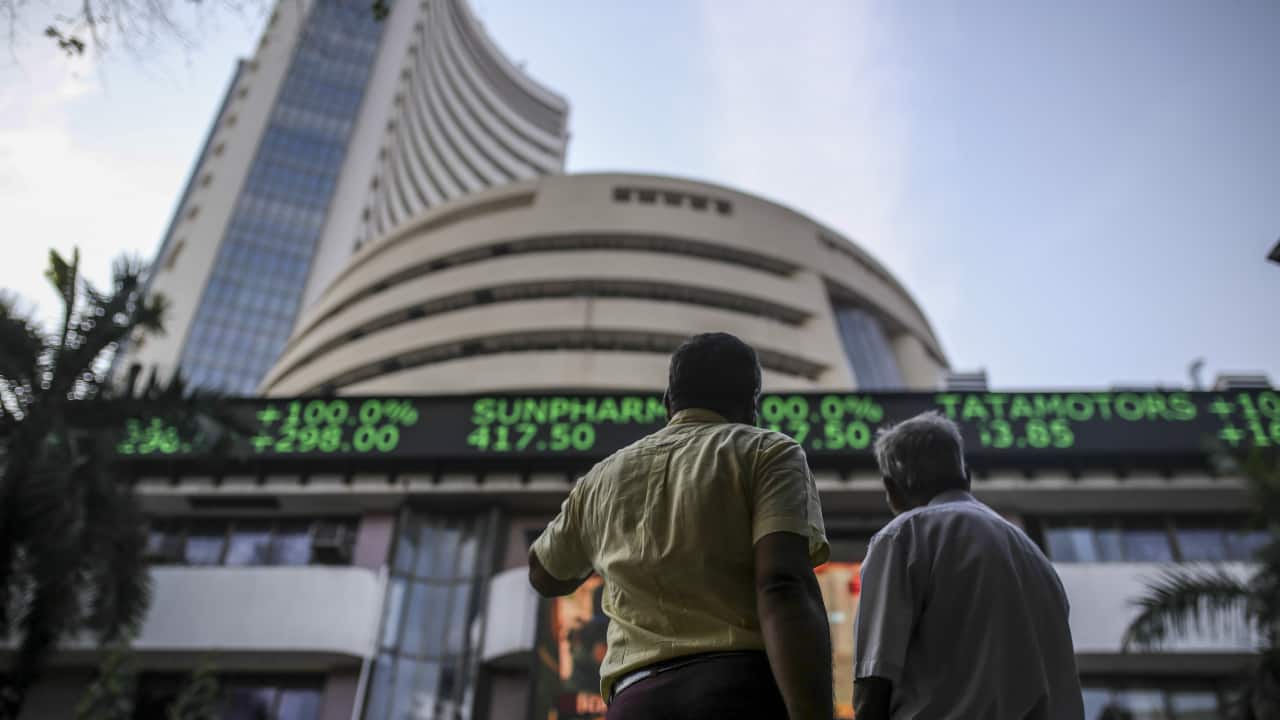
- Indian shares fell on Tuesday as oil prices spiked to above $91, with a temporary U.S.-Iran ceasefire expiring and hopes for a new deal fading.
- The prospect of sustained higher crude prices could also rekindle inflation worries for India, the world's third-largest oil importer.
- The Nifty 50 fell 0.27% to 24,219.80 and the BSE Sensex lost 0.40% to 77,418.06, as of 9:48 a.m. IST.
- Foreign portfolio investors were net sellers in Indian markets on Monday, with outflows worth 25.35 billion rupees ($265.00 million), the highest in three weeks.
US-Iran tensions escalated as a ceasefire expired, leading to a spike in oil prices above $91 a barrel. The Nifty 50 and BSE Sensex fell 0.27% and 0.40%, respectively, amid inflation concerns for India, the world's third-largest oil importer.
The deadline for a peace deal between the US and Iran lapsed, with both nations deadlocked over the management of the Strait of Hormuz. President Trump threatened military action against Oman if it interfered with US efforts, stating, 'If Oman gets in the way, we’ll bomb the shit out of them.' This rhetoric has heightened fears of further conflict in the region.
Oil prices surged as Brent crude rose above $90 for the first time since July, trading at $91.63 on Tuesday morning. Analysts at Deutsche Bank noted that rising prices indicate investors are anticipating a 'more extended closure' of the Strait of Hormuz, a critical shipping route.
VK Vijayakumar, chief investment strategist at Geojit Investments, remarked, 'Two developments during the last several hours are likely to impact the market today.' He highlighted the spike in crude prices and rising US bond yields as negative factors for foreign inflows. Indian markets saw net outflows of 25.35 billion rupees ($265 million), the highest in three weeks, reflecting investor anxiety over the geopolitical landscape.
As tensions mount, Iran has signaled a more aggressive military posture, with threats to shipping in the Strait, further complicating the already fragile situation.
“As oil prices surged to over $91 a barrel, VK Vijayakumar noted that escalating Mideast tensions and rising U.S. bond yields could negatively impact foreign inflows. Additionally, foreign portfolio investors recorded net outflows of ₹25.35 billion ($265 million) from Indian markets, the highest in three weeks.”

 The Guardian