- US-Iran negotiations concluded with a 60-day roadmap established for further talks, as technical discussions are set to continue.
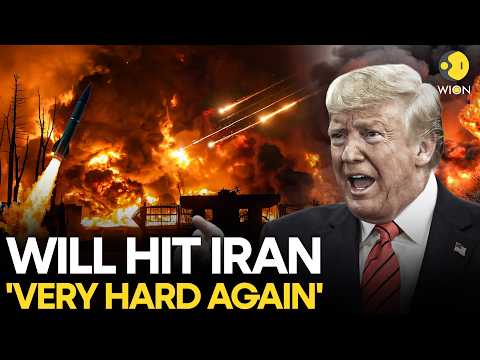
- Despite the progress, President Donald Trump threatened to restart strikes on Iran if it supports Hezbollah or closes the Strait of Hormuz.
- Negotiators from the US and Iran met in Switzerland, marking the first high-level discussions since the war began in February.
- Encouraging progress was reported by mediators, with plans for technical talks to continue throughout the week.
- The 60-day diplomatic process aims to reach a permanent deal to end the Iran war, with discussions on nuclear issues and regional tensions.
- U.S. Vice President JD Vance led the American delegation, which included key officials like Jared Kushner and Steve Witkoff.
- The negotiations resulted in a communication line to coordinate safe passage through the Strait of Hormuz and a de-confliction cell to address fighting in Lebanon.
U.S. and Iranian officials have made significant strides in negotiations, establishing a 60-day roadmap aimed at achieving a broader peace agreement. The talks, held in Switzerland, included discussions on Iran's nuclear program and the ongoing conflict involving Hezbollah in Lebanon.137
U.S. Vice President JD Vance led the American delegation, which included Special Envoy Steve Witkoff and Jared Kushner. The Iranian team was headed by parliamentary Speaker Mohammad Bagher Qalibaf and Foreign Minister Abbas Araghchi. Vance stated that the negotiations resulted in Iran's agreement to allow International Atomic Energy Agency (IAEA) inspectors back into the country.6

The roadmap includes a communication channel to prevent misunderstandings in the strategic Strait of Hormuz, crucial for global oil shipments. Negotiators also discussed mechanisms to ensure the strait remains open and enforce a ceasefire in southern Lebanon. The U.S. has temporarily authorized the production and sale of Iranian oil under a new 60-day license.2
Despite the progress, President Trump warned of potential military action against Iran if it continues to support Hezbollah or disrupts shipping in the Strait of Hormuz. “Everybody is fully aware that Iran will agree to have Major Weapons Inspections in order to ensure ‘Nuclear Honesty’ long into the future,” Trump stated, emphasizing the need for Iran to commit to long-term nuclear transparency.
The negotiations represent the first high-level talks between the U.S. and Iran since the onset of the war in February, marking a pivotal moment in U.S.-Iran relations.
“US-Iran negotiations in Switzerland have produced a 60-day roadmap for peace talks, with technical discussions set to continue. Mediators report encouraging progress, despite threats from President Trump regarding Iran's actions.”




 AP News
 politico.eu
 Fox News