- The Memorandum of Understanding signed between the US and Iran in June is set to expire, as talks to end the war remain deadlocked.
- The US-Iran MoU aimed at ending fighting between the two countries is set to expire on Monday, with little sign of extension, as both sides have accused each other of violating it for weeks.
- Iranian Foreign Minister Abbas Araghchi said on Saturday that Iran has not decided to restart negotiations with the US, and he emphasized that a separate agreement with Oman on shipping routes in the Strait of Hormuz is only possible if a political solution is reached.
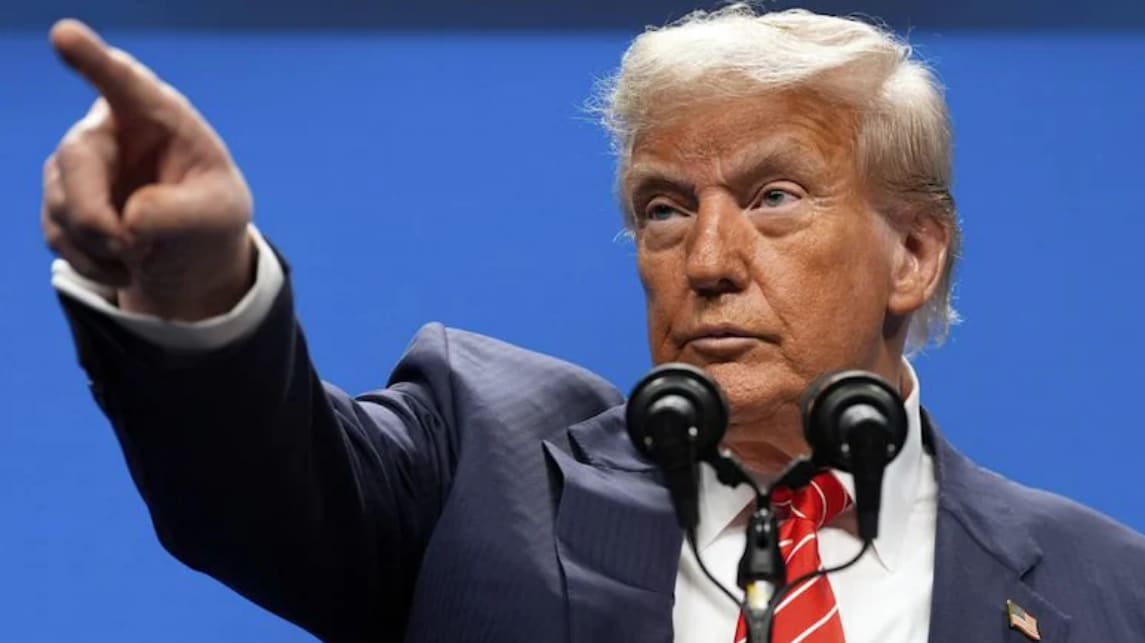
- Both sides accused each other of violating the agreement: Trump called Iranian strikes 'a foolish violation,' while Iran said US strikes violated Article 1 of the MoU; by July 7, Trump declared the agreement 'over,' and the US continued attacks, killing at least 50 people.
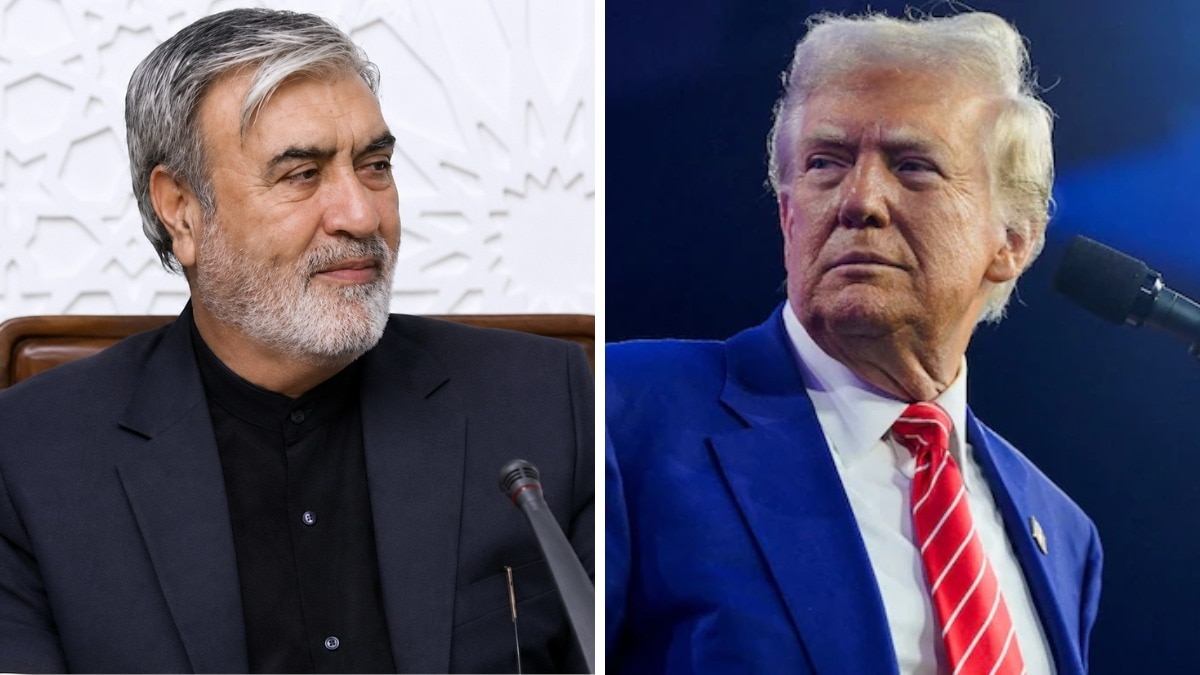
- The agreement, signed on June 17 by Trump and Iranian President Masoud Pezeshkian, followed rare high-level talks hosted by Pakistan, and was meant to end more than three months of war that had killed thousands and crippled commercial movement in the Gulf.
- The agreement declared the immediate and permanent termination of military operations and outlined a final deal to be endorsed by the UN Security Council within a maximum of 60 days, extendable by mutual consent.
- Under the agreement, the US was to end its naval blockade within 30 days, remove forces near Iran, provide a reconstruction package of at least $300bn, terminate sanctions, issue waivers for Iranian oil exports, and allow access to frozen funds; Iran was to clear mines from the Strait of Hormuz and allow ships to pass for 60 days, while reaffirming it would not seek nuclear weapons.
- Iranian officials said the US had 'violated and suspended' all its commitments, and Tehran had likewise suspended its own; the US has not fully lifted sanctions, and Trump has scoffed at paying reconstruction, suggesting instead that Tehran pay compensation to families of protesters killed over the last 50 years.
The US-Iran Memorandum of Understanding (MoU), signed in June, is on the verge of expiration with no signs of renewal as both nations accuse each other of violations.156712131415
Iranian Foreign Minister Abbas Araghchi stated, "We have not yet made a decision to restart negotiations with the United States," indicating a lack of progress.34
The MoU aimed to end a conflict that has resulted in thousands of deaths and disrupted global oil exports. It included provisions for the US to lift sanctions and for Iran to cease military operations in the Strait of Hormuz.
However, tensions have escalated, with Trump labeling Iranian strikes as a "foolish violation" of the agreement. Iran has countered that the US has failed to meet its commitments, leading to a breakdown in trust.891617

In a related development, Trump has ordered the Pentagon to reduce military exercises with South Korea, citing Seoul's refusal to engage in Iran's denuclearization process. This move reflects the complex interplay of regional security dynamics and the ongoing challenges in US foreign policy.
The expiration of the MoU raises concerns about renewed hostilities in the region, as both sides remain entrenched in their positions, with Iran exploring alternative agreements with Oman for shipping routes.
Mostafa Khoshcheshm, a professor at the University of Applied Sciences in Tehran, remarked, "The ceasefire stopped and was rendered obsolete after the US didn’t comply with the terms of the agreement, or the MoU."
The situation remains precarious as the international community watches closely for any signs of escalation or diplomatic breakthroughs.
“The MoU, signed June 17 by Trump and Pezeshkian, required the US to lift sanctions and provide $300bn in reconstruction, while Iran was to clear mines from the Strait of Hormuz. Both sides have accused each other of violations, with Trump declaring the agreement 'over' on July 7.”