- Trump declared the pact "over" on July 7 and Tehran later said it was suspended.
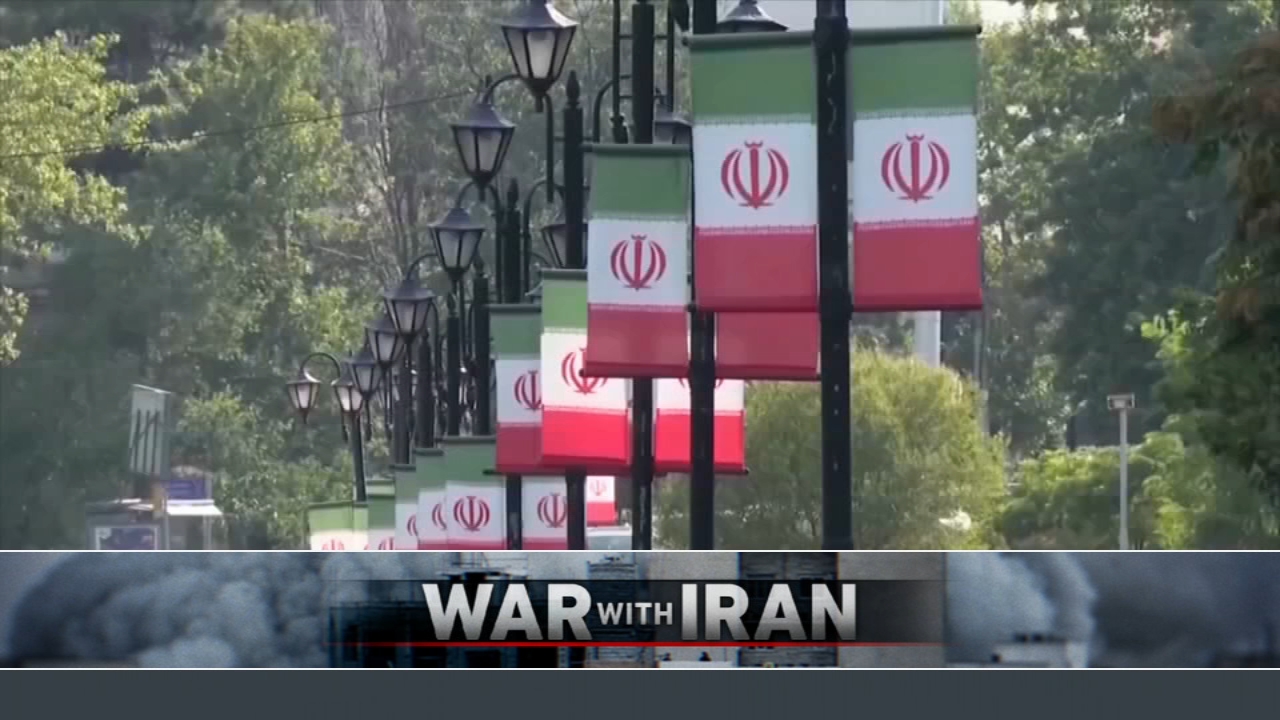
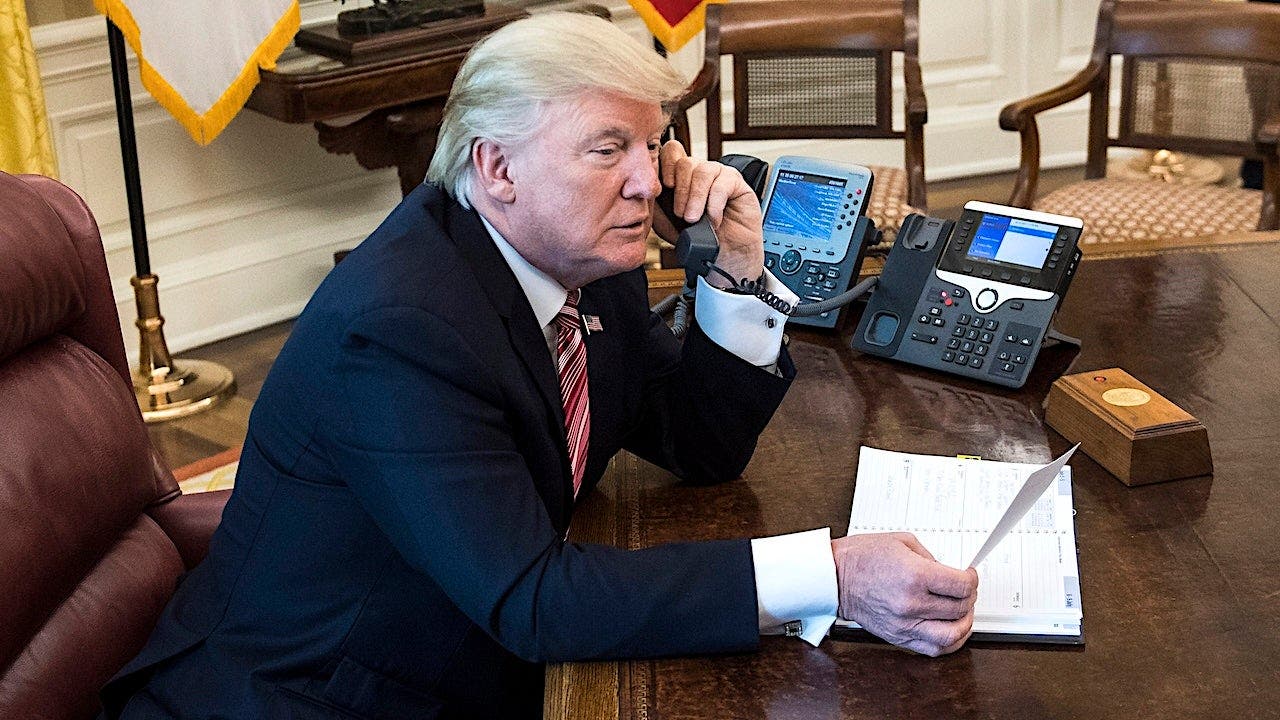
- The 60-day window for the United States and Iran to reach a final agreement expired Monday with no deal announced, as President Donald Trump hardened his rhetoric toward Tehran and his administration prepared what Treasury Secretary Scott Bessent has described as an unprecedented new phase of economic pressure.
- Bessent stated, "Watch this space for more announcements coming next week because we are going to apply measures like have never been seen in the history of economic isolation of a country," on Aug. 13.
- Average oil exports had fallen from 1.8 million barrels per day before the war to less than 500,000 barrels per day over the previous month, according to Treasury figures.
- AP cited a projection that Iran’s economy would contract 5.4%.
- Maleki described the current campaign as "a maximum pressure campaign on a steroid."
- Consumer prices in July were 87.9% higher than a year earlier and food prices were up 128%, according to Reuters.
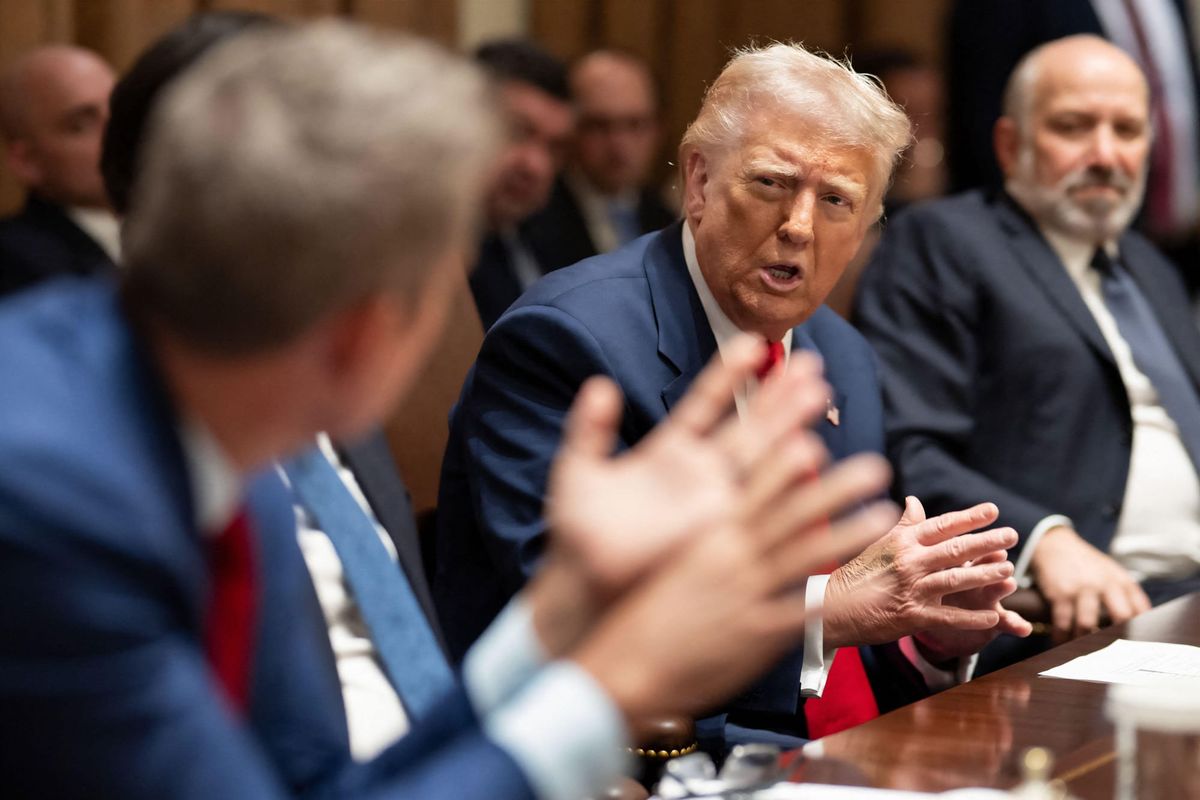
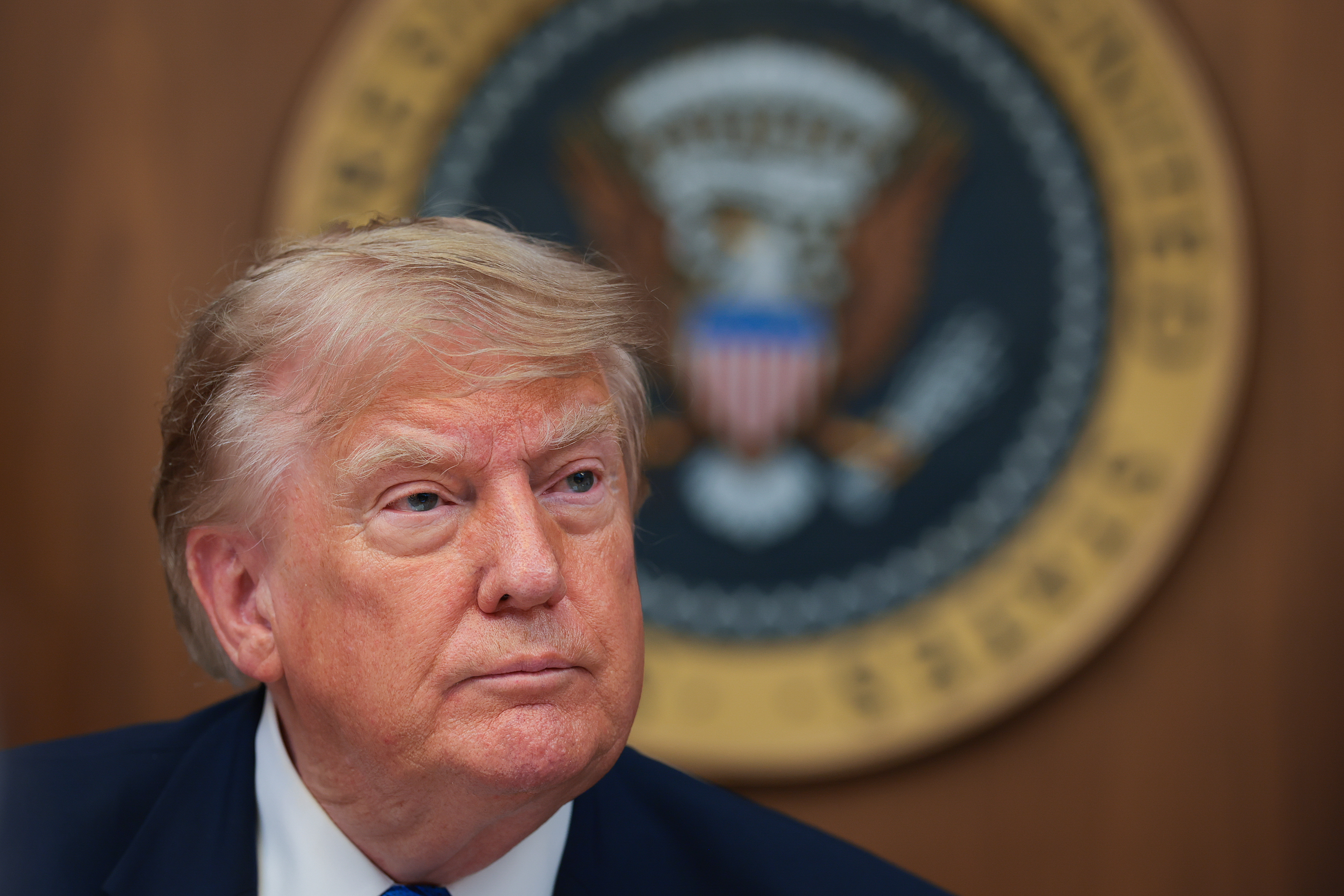
The 60-day window for the United States and Iran to finalize an agreement expired on Monday, with no deal reached. President Trump has escalated his rhetoric, declaring the pact "over" on July 7, while Iran responded by suspending its participation.12
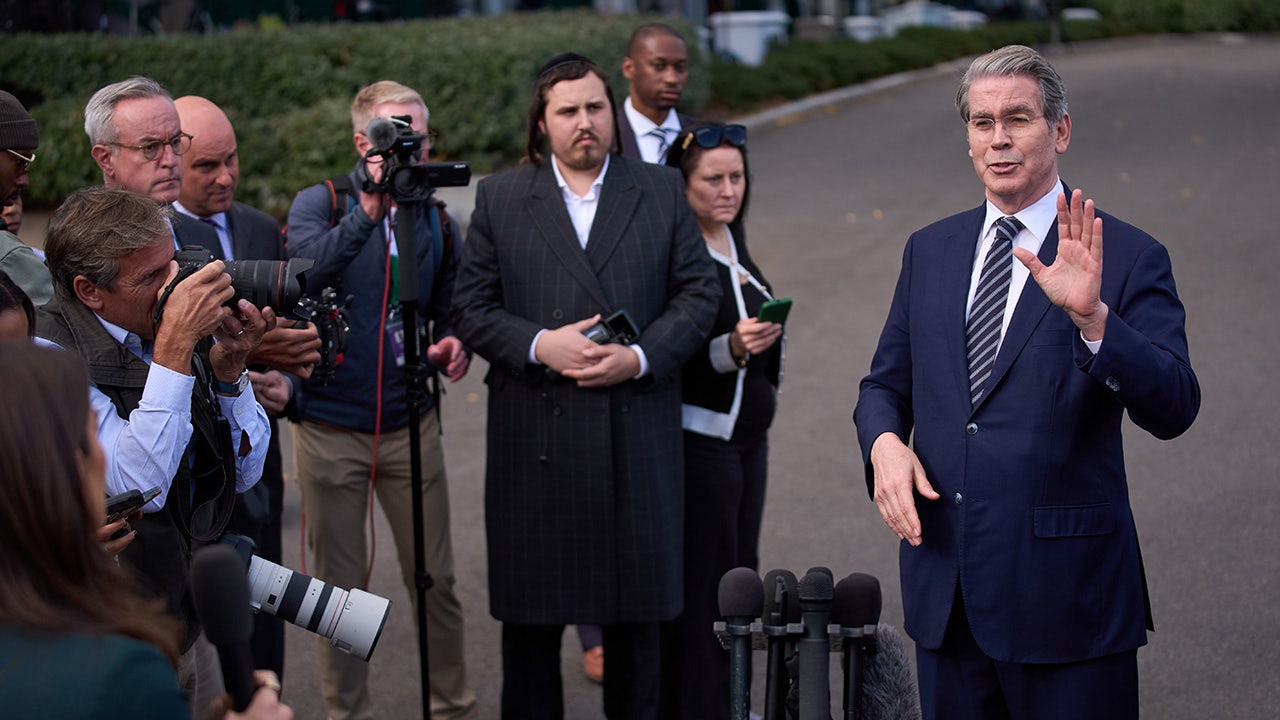
Treasury Secretary Scott Bessent described the upcoming economic measures as "an unprecedented new phase of economic pressure", stating, "Watch this space for more announcements coming next week because we are going to apply measures like have never been seen in the history of economic isolation of a country".
The situation is critical, as before the conflict, approximately one-fifth of the world’s oil and liquefied natural gas passed through the Strait of Hormuz, posing risks to both Tehran and U.S. fuel prices.
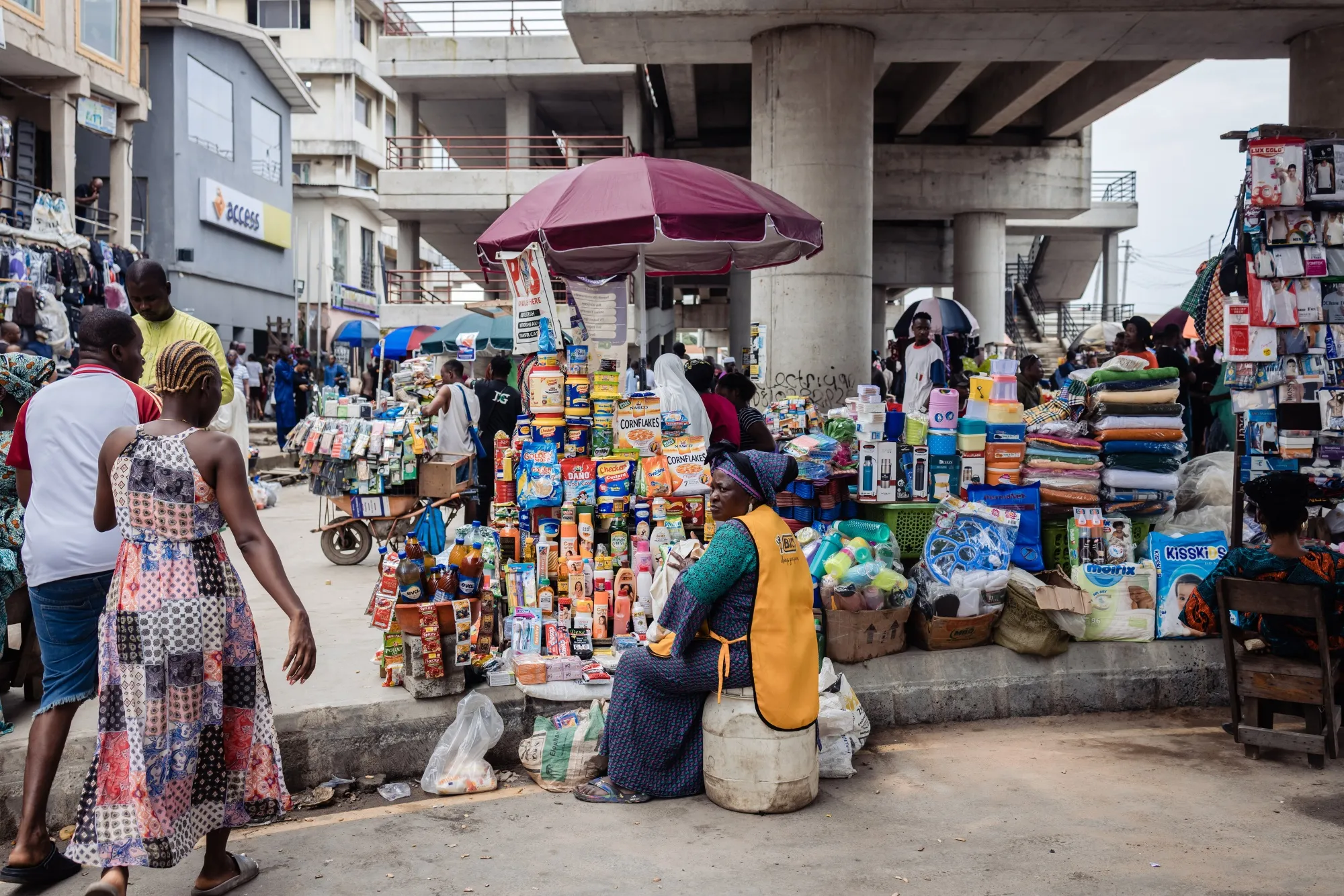
Recent reports indicate that Iran's economy is under severe strain, with projections of a 5.4% contraction. Consumer prices surged by 87.9% year-on-year in July, with food prices soaring by 128%, according to Iran’s Statistical Centre.7
As the U.S. prepares to implement these measures, the implications for both nations and global markets remain uncertain.
“Treasury Secretary Scott Bessent warned of measures that would be unprecedented in the history of economic isolation, with Iran's economy projected to contract by 5.4%. Meanwhile, consumer prices in Iran surged 87.9% year-over-year, with food prices up 128%, highlighting the severe economic impact of the stalled negotiations.”


 Fox News