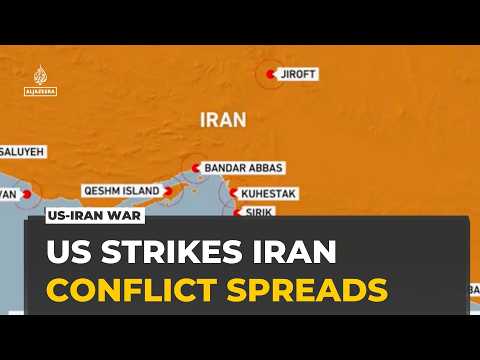
- The United States launched a series of air strikes against Iran on Tuesday, prompting Iranian retaliation, in the most serious escalation of the conflict between the two countries in weeks.
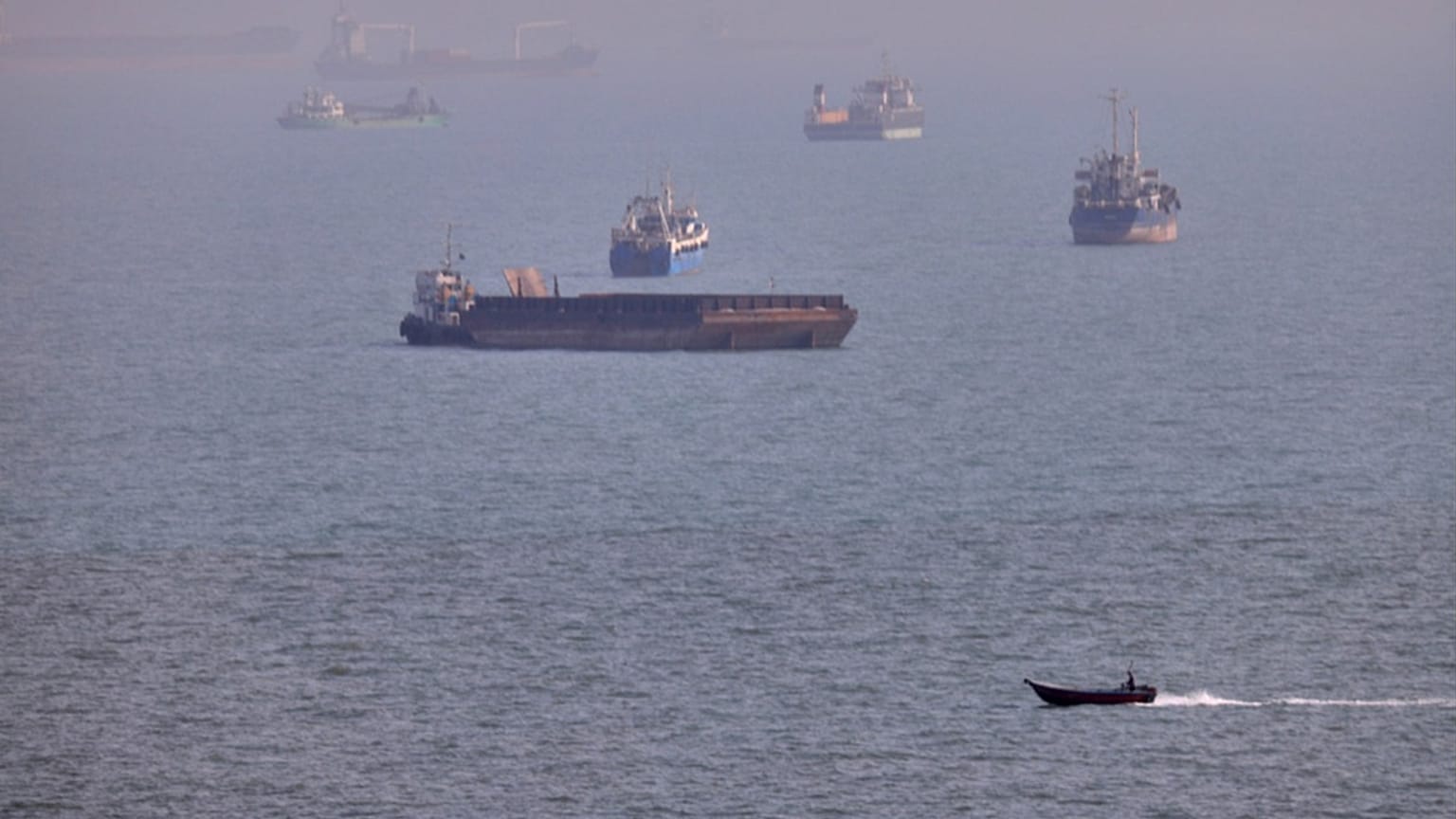
- The US military struck two Iranian government tankers during Tuesday’s attacks, marking the first time Tehran’s tankers were hit, under a new 'tanker for tanker' policy approved by President Donald Trump.
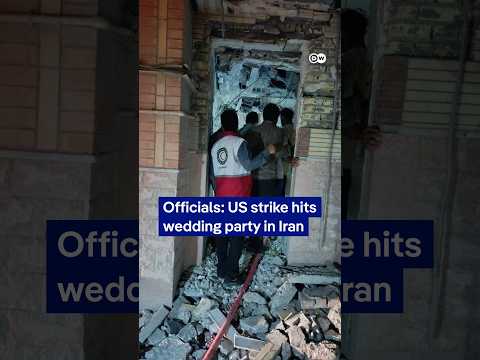
- One strike hit a home in Kuhestak where a wedding ceremony was taking place, killing five people including a child and wounding at least 68 others, according to Hormozgan provincial officials.
- Iran retaliated by launching ballistic missiles towards Jordan, targeting a US base near the Gulf of Aqaba, and also launched attacks at US military bases in Iraq and Jordan, with additional attacks reported in Kuwait and Bahrain.
- The US military said it was aware of reports of civilian casualties but stressed that it 'never targets civilians', while Centcom said it concluded its latest barrage against Iranian military targets on Tuesday night.
- Oil prices rose to a five-week high on Tuesday after the strikes began, and Brent crude futures rose 1.3 per cent to $95.91 a barrel on Wednesday, marking further gains for a second day.
- The threat of further disruptions to the Strait of Hormuz brought renewed anxiety over inflation, driving a selloff in stocks and a rout in global bond markets, with the US 10-year Treasury yield hitting its highest level in almost three years and the 5-year Japanese government bond yield reaching a record high.
The U.S. military's recent airstrikes against Iranian targets, including two government tankers and a wedding party, have escalated tensions significantly. The strikes resulted in five fatalities and 68 injuries in Iran, prompting a swift response from Tehran, which launched ballistic missiles at U.S. bases in Iraq and Jordan.
The U.S. strikes were part of a new “tanker for tanker” policy approved by President Trump, aimed at countering Iranian aggression in the Strait of Hormuz. The U.S. military confirmed the attacks, stating they were necessary to protect shipping routes critical for global oil supply.1314
In response, Iran's military claimed to have targeted a U.S. base near the Gulf of Aqaba, with additional reports of attacks in Kuwait and Bahrain. The Islamic Revolutionary Guard Corps warned that U.S. actions would “tighten the lock” on the Strait of Hormuz, a vital waterway for oil transport.
The conflict has raised concerns over potential disruptions to shipping, leading to a spike in oil prices, with Brent crude futures rising to $95.91 a barrel. Analysts noted that the threat of further disruptions has caused anxiety over inflation, resulting in a selloff in major stock markets and a rout in global bond markets.
“The threat of further disruptions to the Strait of Hormuz has brought about renewed anxiety over inflation,” Westpac analysts stated, highlighting the broader economic implications of the escalating conflict.
“The strikes on tankers mark the first time Tehran's tankers were hit under a new 'tanker for tanker' policy, raising fears of further Strait of Hormuz disruptions. Oil prices jumped to a five-week high, with Brent at $95.91, while bond yields hit multi-year highs on inflation anxiety.”



 The Independent