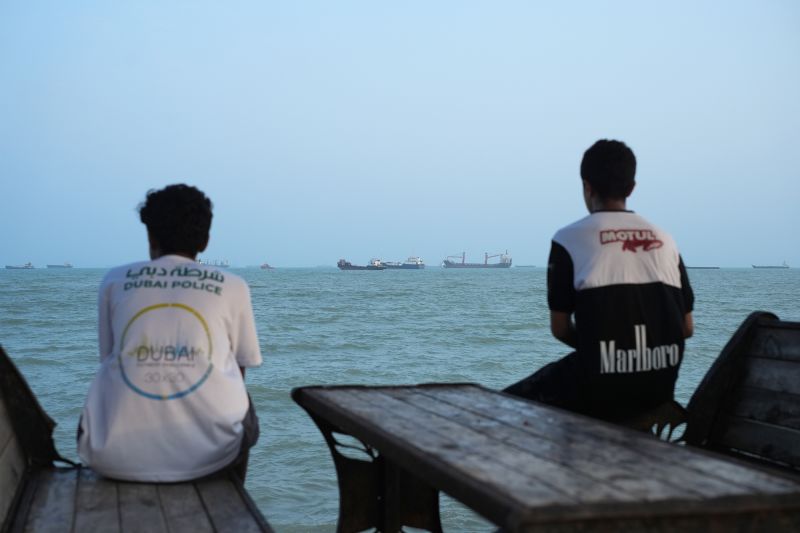
- Iran continues to deny US claims that it controls the Strait of Hormuz, with talks faltering. Iran's Persian Gulf Strait Authority (PGSA) posted on X that the strait remains blocked and will not be reopened until Iran's conditions are accepted.
- Iran's Foreign Minister Abbas Araghchi said the US has long miscalculated due to intelligence failures, calling Washington's actions in the Strait of Hormuz “an even bigger miscalculation.”
- Hojjatoleslam Hossein Taeb, commander of the paramilitary Basij Organisation, reiterated that the strait is “under Iran’s control and management.”
- Qatar said negotiations between Iran and Oman over the strait had reached “an advanced stage,” with Qatari Foreign Ministry spokesman Majed al-Ansari stating, “As mediators, we want the Strait of Hormuz reopened as soon as possible.”
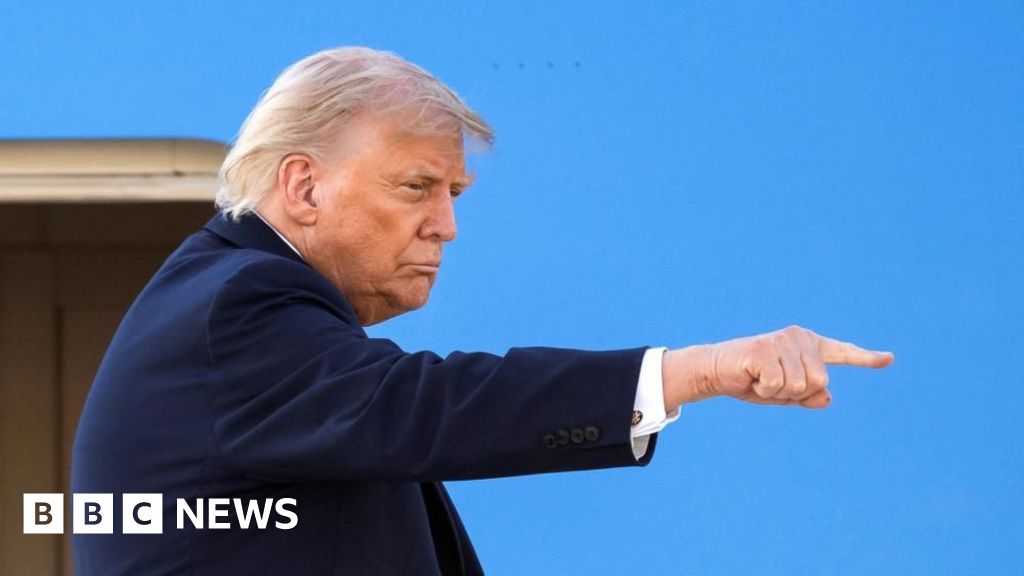
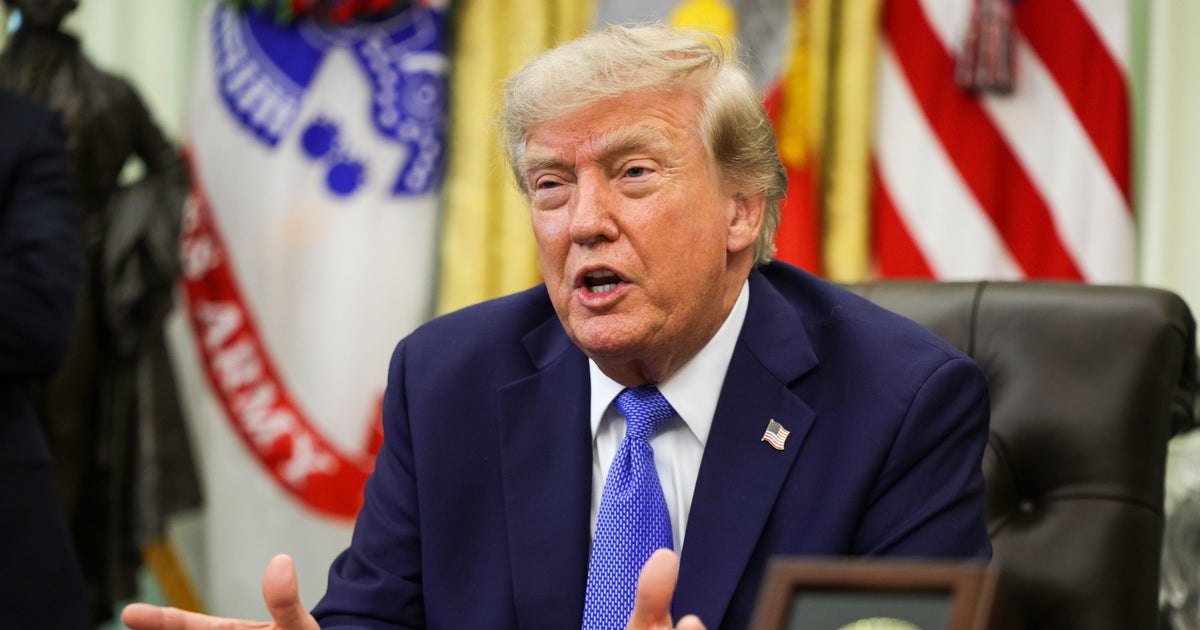
- Trump responded by seeking payment for “50 years” of damage caused by Iran.
- Iran is not talking directly to the US about the strait; instead, it is holding talks with Oman, which it proposes to share in the future management of the strait. Following a June 17 memorandum of understanding (MoU) between Iran and the US, disagreements arose over control and routes, leading to renewed hostilities.
- Iran says it is not speaking directly to the US because it has violated the June 17 MoU by restarting strikes in July. Pakistan is making efforts to mediate peace talks, with Interior Minister Mohsin Naqvi holding talks with senior Iranian officials in Tehran.
Iran has firmly denied U.S. assertions of control over the Strait of Hormuz, stating it remains blocked until its conditions are accepted. The Persian Gulf Strait Authority emphasized that claims of reopening the strait do not reflect reality, as Iranian forces continue to restrict navigation through this critical waterway.
Iran's Foreign Minister Abbas Araghchi criticized U.S. intelligence, claiming it has led to significant miscalculations regarding the strait. “Worse than fake news is fake intelligence,” he stated, highlighting the ongoing tensions. Meanwhile, Iranian military officials assert that the strait is under their control, with Hojjatoleslam Hossein Taeb declaring, “Today you see that the Strait of Hormuz is under the management and control of the Islamic Republic.”3456
Negotiations mediated by Qatar and Pakistan have reportedly reached an advanced stage, with Qatar's Foreign Ministry expressing a desire for the strait to be reopened soon. However, Iran insists on not negotiating directly with the U.S. due to perceived violations of a June 17 memorandum of understanding (MoU) that aimed to keep the strait open for 60 days.
Iran's conditions for reopening the strait include an end to U.S. threats, lifting sanctions, and the release of frozen Iranian assets. The situation remains tense as U.S. naval operations continue in the region, complicating the diplomatic landscape.
“Iran's Foreign Minister Abbas Araghchi called Washington's actions 'an even bigger miscalculation,' while Basij commander Hossein Taeb reiterated the strait is 'under Iran's control and management.' Trump responded by seeking payment for '50 years' of damage caused by Iran.”