
- US Central Command stated that the southern route of the Strait of Hormuz remains open for all commercial vessels despite ongoing attacks.
- The Central Command reported that over the past three months, they have assisted more than 1,000 vessels in successfully transiting the strait amidst Iranian aggression.
- The southern route runs along Oman's coast, while the northern route passes along Iran's coast.
- UK Maritime Trade Operations reported at least four attacks in the waters around Oman over the past week.
- The northern route was historically used to enter the Persian Gulf, while the southern route was used to exit it before tensions escalated.
- A deal is reportedly being negotiated between the US, Iran, and Oman to temporarily reopen the Strait of Hormuz without tolls.
- The draft for the agreement between Iran and Oman awaits final approval from Iran's supreme leader.
U.S. Central Command (CENTCOM) has reiterated that the southern route of the Strait of Hormuz is open to all ships, despite recent attacks in the region. CENTCOM's statement comes amid ongoing tensions with Iran, which has threatened shipping routes in the area.12346
The U.S. military has successfully escorted over 1,000 vessels through the strait in the past three months, showcasing its commitment to ensuring maritime safety. CENTCOM emphasized that these transits continue despite what it describes as unwarranted Iranian aggression.
The southern route, which runs along Oman's coast, remains a critical passage for commercial shipping, while the northern route runs along Iran's coast. Recent reports indicate that there have been at least four attacks in the waters around Oman in the past week, raising concerns about the safety of maritime operations in the region.5
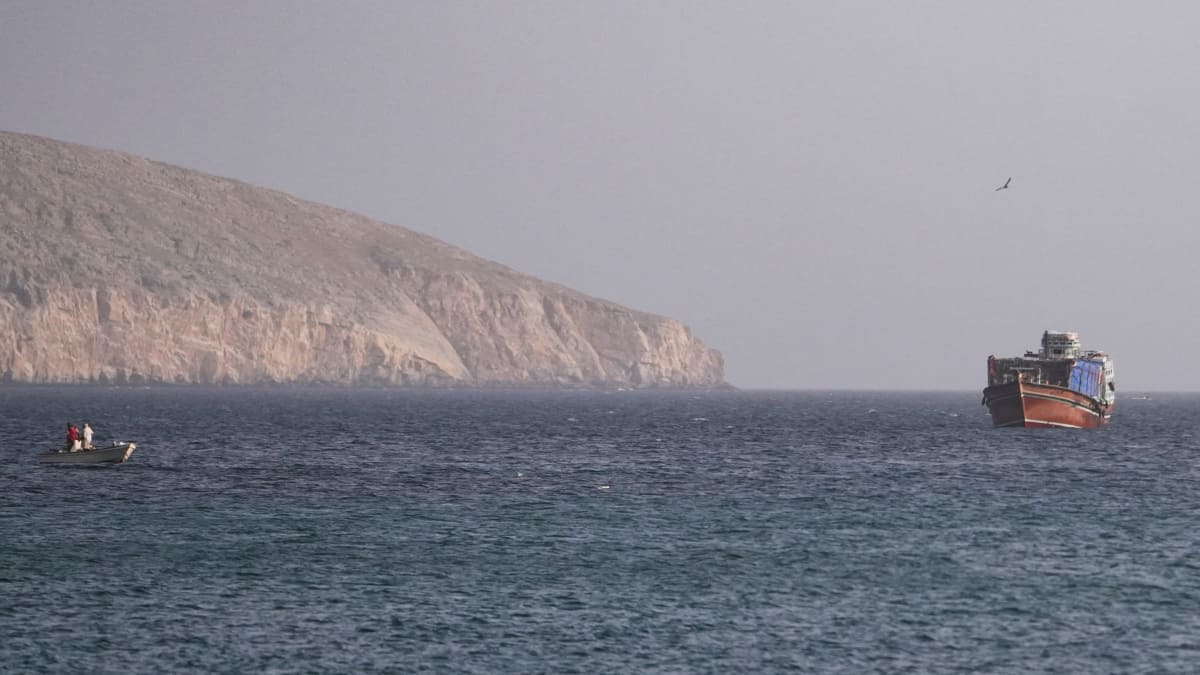
Negotiations are ongoing between the U.S., Iran, and Oman regarding a potential agreement to temporarily reopen the strait without tolls. This deal, if finalized, would establish a 60-day agreement for shipping in the strategic waterway, pending approval from Iran's supreme leader. However, Iran has indicated that the agreement may be delayed due to ongoing U.S. threats.7
As tensions escalate, the U.S. continues to assert its role in maintaining open shipping lanes in the Strait of Hormuz, a vital corridor for global oil transport.
“CENTCOM says US forces have assisted more than 1,000 vessels over the past three months, with transits continuing. US, Iranian and Omani officials are nearing a 60-day deal to reopen the strait without tolls, pending final approval from Iran’s supreme leader.”


 Firstpost



