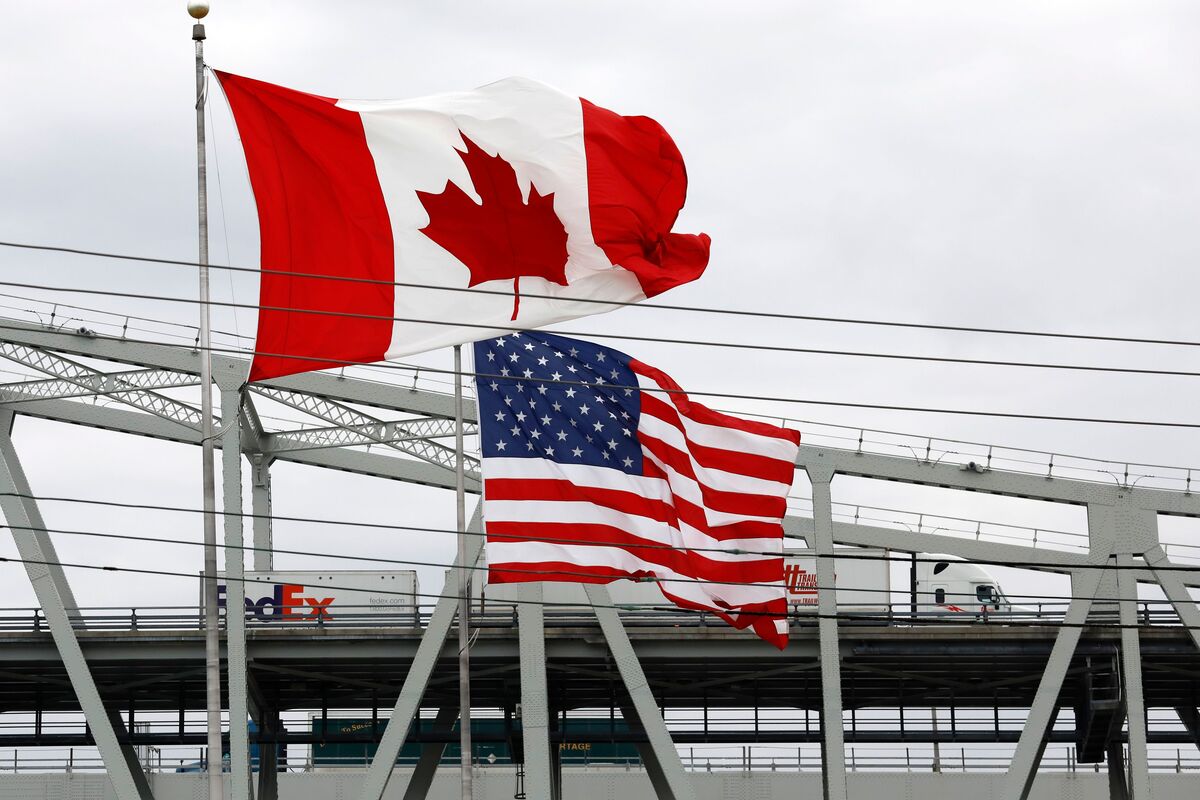
- The U.S. and Canada have yet to announce a final trade deal that will keep President Trump's new tariffs on hockey sticks, wine and other Canadian goods from taking effect early Saturday morning.
- The tariffs were initially set to kick in Wednesday, but Trump delayed them for three days in an eleventh-hour post on social media, saying the agreement was all but complete "subject to the finalization of documents."
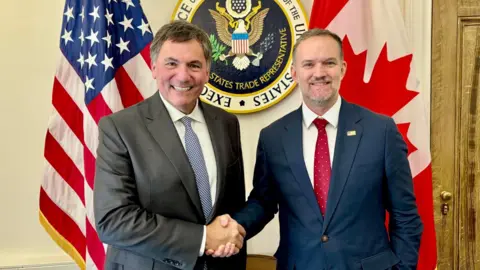
- Canadian negotiator Janice Charette remains engaged in talks with U.S. Trade Representative Jamieson Greer and other Trump administration officials.
- If no deal is reached by 12:01 a.m. ET on Saturday, the 50% tariffs on roughly $20 billion worth of imports will switch on.
- Trump has suggested that the deal could revive Keystone XL and lower tariffs on steel, aluminum, lumber, and autos.
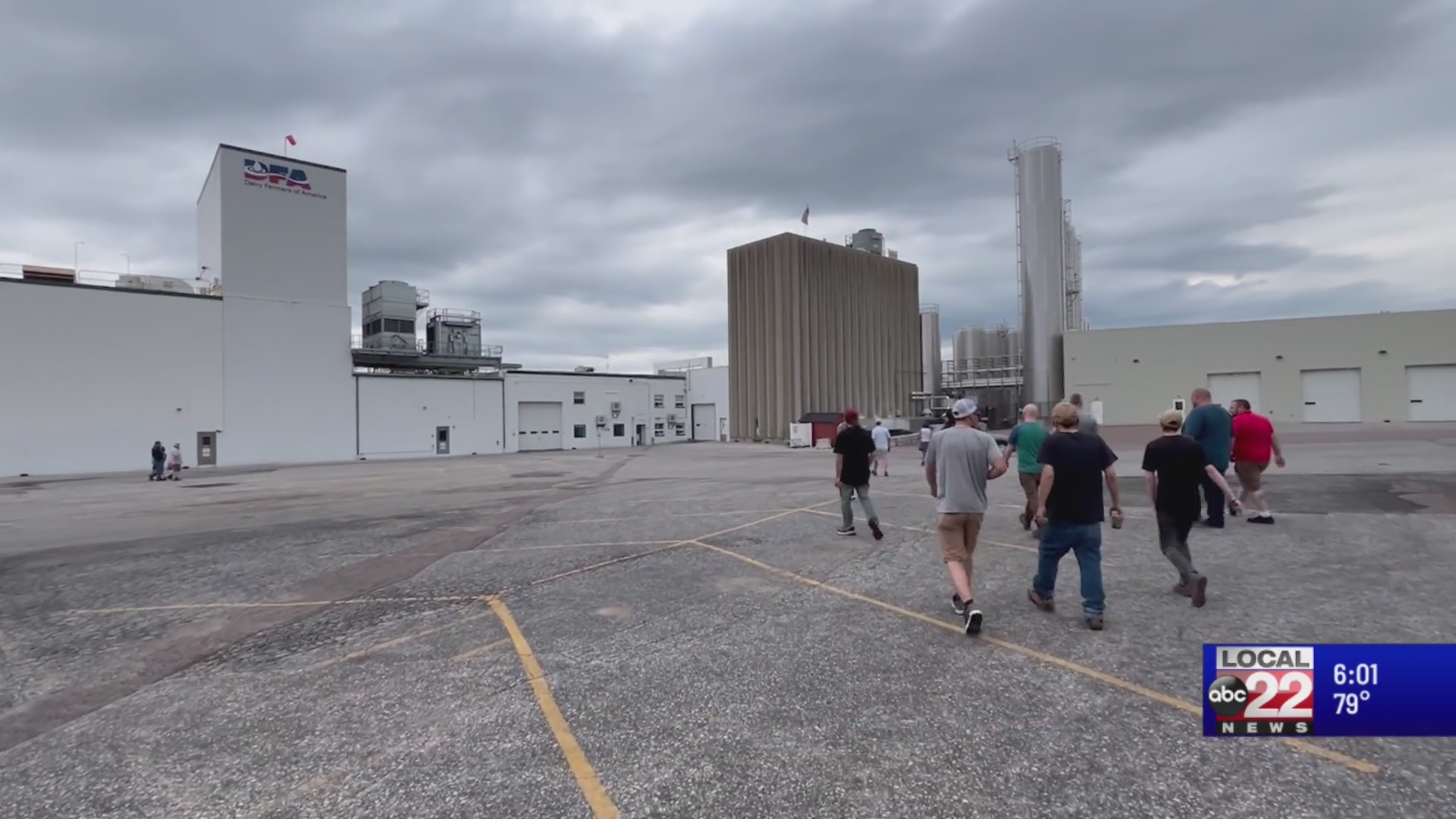
- The looming 50% tariff threat was partly based on Canada's alleged discrimination against the U.S. dairy industry, and the tariffs were invoked under Section 338 of the Tariff Act of 1930.
- Canadian Prime Minister Mark Carney is on the brink of a trade pact with the U.S.
- His next challenge will be convincing his country that swallowing some tariffs is worth the greater economic certainty that a deal would bring.
The U.S. and Canada are on the verge of finalizing a trade deal that could prevent President Trump's 50% tariffs on approximately $20 billion worth of Canadian imports from taking effect.123510
The tariffs, which target goods like hockey sticks and wine, were initially set to be implemented on Wednesday but were postponed for three days to allow for negotiations.
Canadian Trade Minister Dominic LeBlanc stated, "We're very close" to reaching an agreement, highlighting ongoing discussions between Canadian negotiator Janice Charette and U.S. Trade Representative Jamieson Greer.4
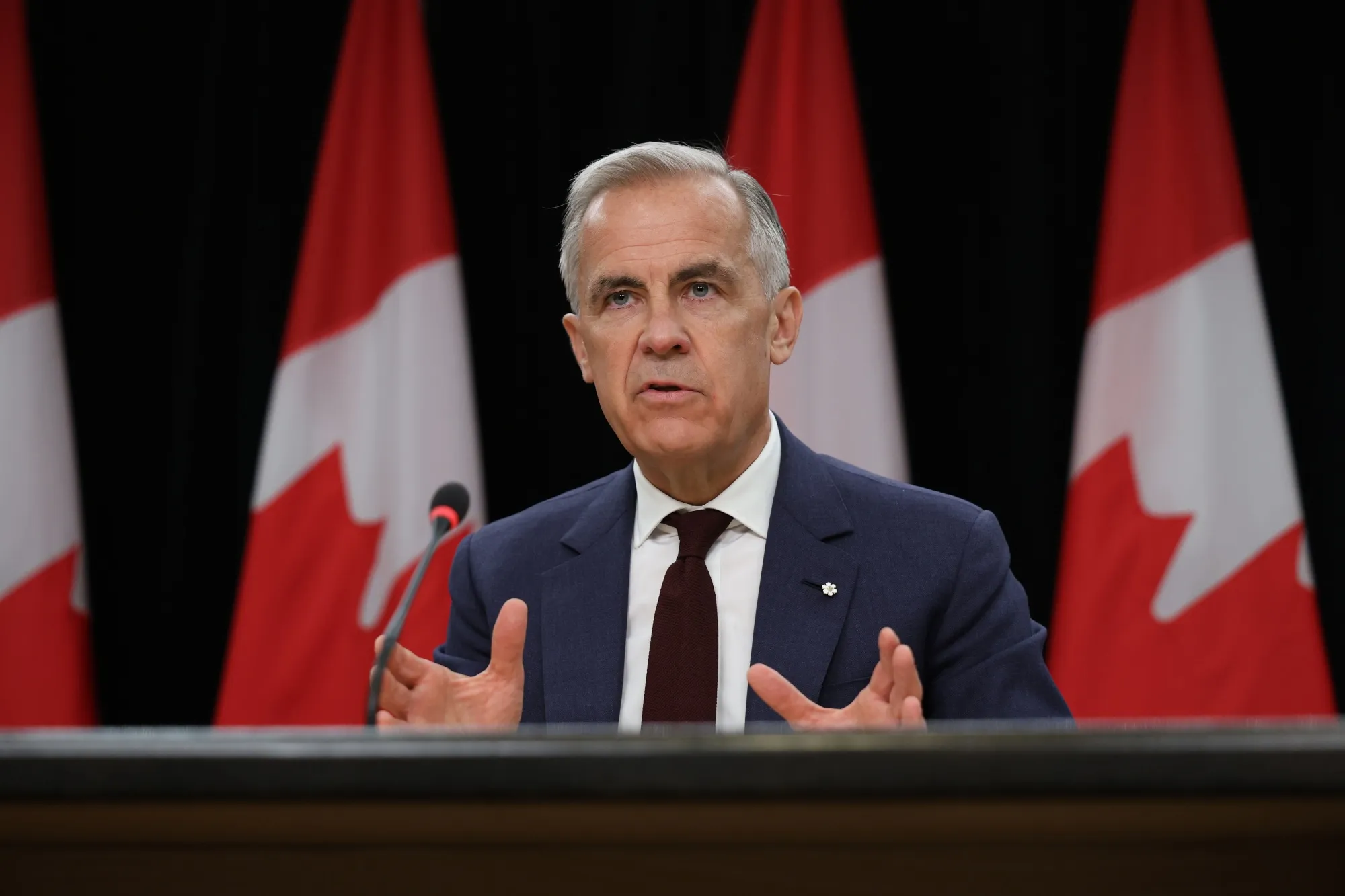
The looming tariffs stem from allegations of discrimination against the U.S. dairy industry and were invoked under Section 338 of the Tariff Act of 1930.89
Trump has indicated a willingness to lower existing tariffs on Canadian steel, aluminum, and potentially autos, suggesting that a deal could also revive the controversial Keystone XL pipeline.67
Mark Carney, the Canadian Prime Minister, faces the challenge of convincing Canadians that accepting some tariffs is a worthwhile trade-off for the economic stability a deal would provide.
“If no deal is reached by 12:01 a.m. ET Saturday, 50% tariffs on roughly $20 billion of imports will switch on, with hockey sticks and wine among the goods affected. Trump has floated reviving Keystone XL and lowering duties on steel, aluminum, lumber, and autos as part of the pact.”
 CNBC
CNBC