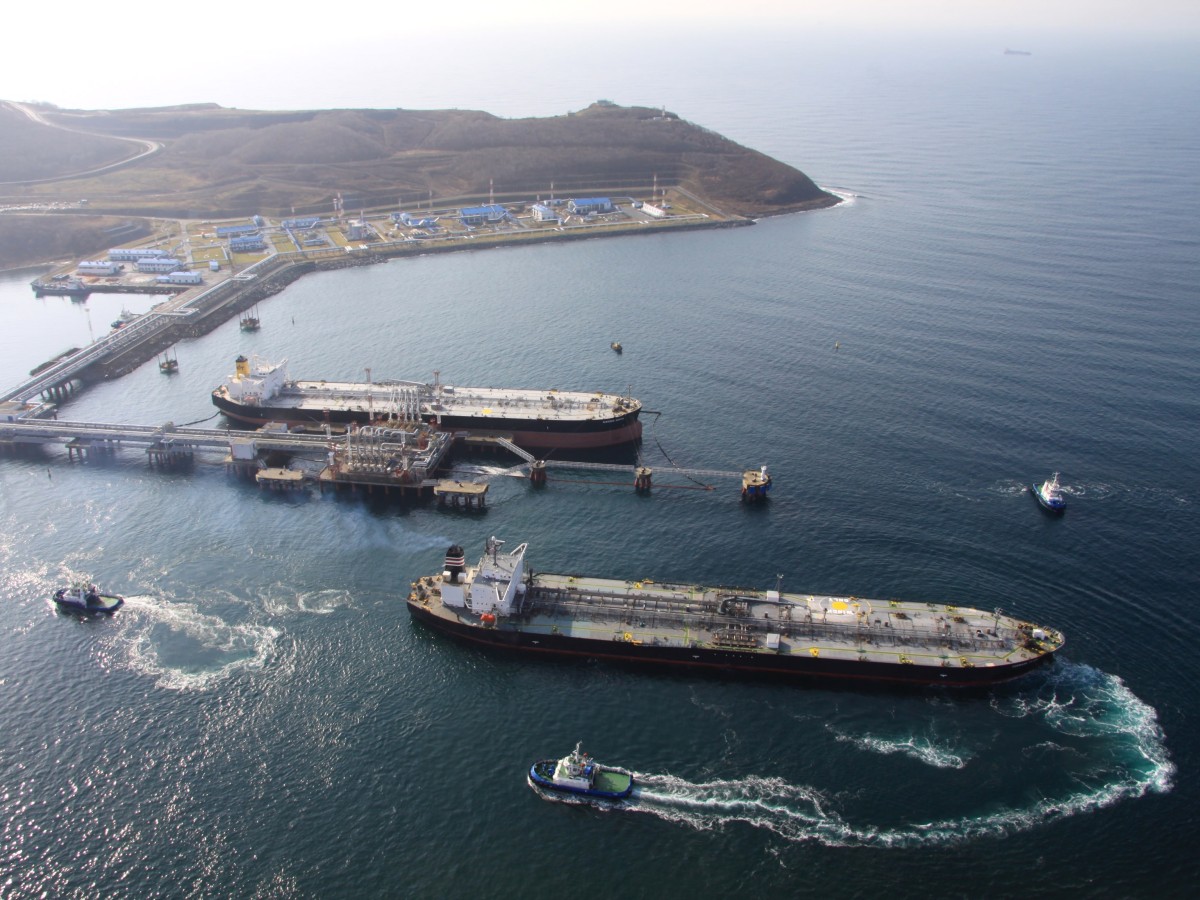
- Iranian crude available to Chinese buyers is rapidly running out due to the US blockade, which has effectively choked off revenue to Tehran.
- Before mid-July, Iranian crude in floating storage was about 105 million barrels, but this has fallen to about 80 million barrels since the blockade was reinstated.
- Currently, only 10% of 40 million barrels of Iranian crude offshore Singapore remains unsold, indicating a severe supply shortage for late-September delivery.
- Since mid-July, Iranian oil exports have significantly declined, with no visible supertanker crossings of the Strait of Hormuz reported.
- Offers of Iranian crude to Chinese buyers have declined and prices have jumped this week, with some cargoes now priced at premiums to ICE Brent.
- US Treasury Secretary Scott Bessent threatened Iran with 'the most crushing sanctions in history' on Thursday, with further details expected soon.
- Chinese independent refiners, known as teapots, are now exploring alternatives like Brazil's Lapa crude and Iraq's Basrah crude due to the Iranian supply crunch.
- The US blockade was reinstated in mid-July after talks between the US and Iran collapsed, leading to a significant drop in Iranian oil exports.
- The blockade has severely impacted Iranian oil shipments, particularly from Kharg Island, which handles 90% of Iran's oil exports.
The U.S. blockade on Iranian oil exports has significantly reduced the availability of crude for Chinese buyers, with only 10% of 40 million barrels offshore Singapore remaining unsold. This situation has led to a sharp increase in prices, with Iranian Light crude now offered at a premium of $3.50 over ICE Brent, compared to a discount of $3.50 just a week prior.34
According to data from Kpler, Iranian oil exports have plummeted since mid-July, with no supertankers crossing the Strait of Hormuz recently. The blockade has effectively stifled shipments from Kharg Island, Iran's primary export terminal, which handles 90% of its oil exports. As a result, the number of offers for Iranian oil cargoes to China has declined, forcing independent Chinese refiners to consider alternatives such as Brazil's Lapa crude and Iraq's Basrah crude.579
Muyu Xu, a senior crude oil analyst at Kpler, noted, “This suggests buyers could face virtually no new Iranian supplies available for late-September delivery onwards since no laden Iranian tankers have so far managed to break through the US blockade.” The total volume of Iranian crude outside the Persian Gulf has dropped to about 83 million barrels, down from over 100 million barrels before the blockade was reinstated. As the situation evolves, Chinese refiners are on alert for potential new sanctions, which could further complicate their supply chains.18
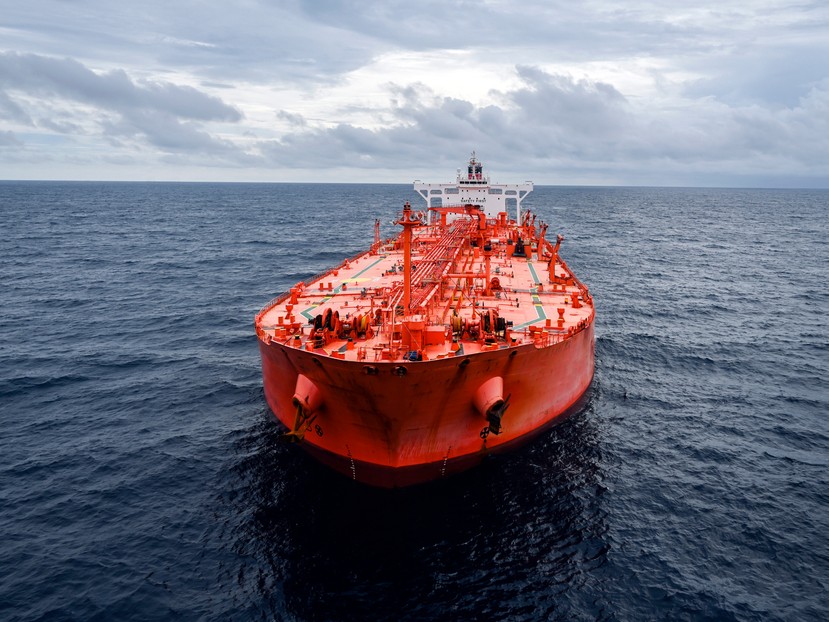
The U.S. Treasury Secretary has threatened Iran with “the most crushing economic operation ever taken against any country,” indicating that the pressure on Iranian oil exports is likely to intensify, leaving Chinese buyers scrambling for alternatives.
“Kpler data shows floating storage outside the blockade zone has fallen to about 80 million barrels from 105 million, with only two cargoes unsold near Singapore. Chinese teapots are now eyeing Brazil's Lapa and Iraq's Basrah crude, while Kpler's Muyu Xu warns they may cut throughput in October if inventories run thin.”


 Crude Oil Prices Today | OilPrice.com