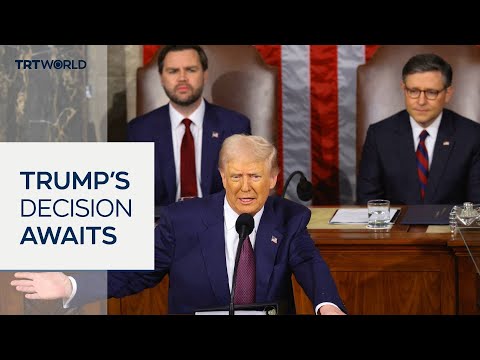
- US and Iran have reached a tentative agreement, but President Donald Trump still needs to sign off on it.
- The tentative deal would begin 60 more days of negotiation on Tehran’s nuclear program.
- Negotiations are ongoing over a couple of language points, according to the involved parties.
- The future of the agreement is TBD on whether Trump will sign the tentative deal.
- The potential deal hinges on Trump's support, as noted by Bessent.
- The memorandum of understanding would include the lifting of restrictions on the Strait of Hormuz and unrestricted navigation by vessels.
- Significant issues related to Iran's nuclear program still need to be resolved as part of the negotiations.
The US and Iran are now at a pivotal moment, having reached a tentative agreement to further discussions regarding Tehran's nuclear program and navigation in the Strait of Hormuz.1238
However, the effectiveness of this agreement hinges on President Trump's approval, a decision that remains "TBD" according to officials.
As it stands, the deal sets the stage for an additional 60 days of negotiations, during which the two countries aim to resolve several complex issues relating to Iran's nuclear ambitions.459
According to US officials, while the preliminary agreement includes potential provisions for lifting restrictions on navigation and ending a US blockade, some of the most challenging aspects of Iran's nuclear program must still be addressed effectively.
Bessent emphasized the importance of Trump's support, stating that the negotiations' success relies heavily on whether the President decides to back the deal.7
In summary, while progress has been made, significant hurdles remain, making the future of US-Iran relations more unpredictable than ever.
“US and Iran have reached a tentative agreement to open discussions on Tehran's nuclear program. However, the deal is contingent upon President Trump's approval.”