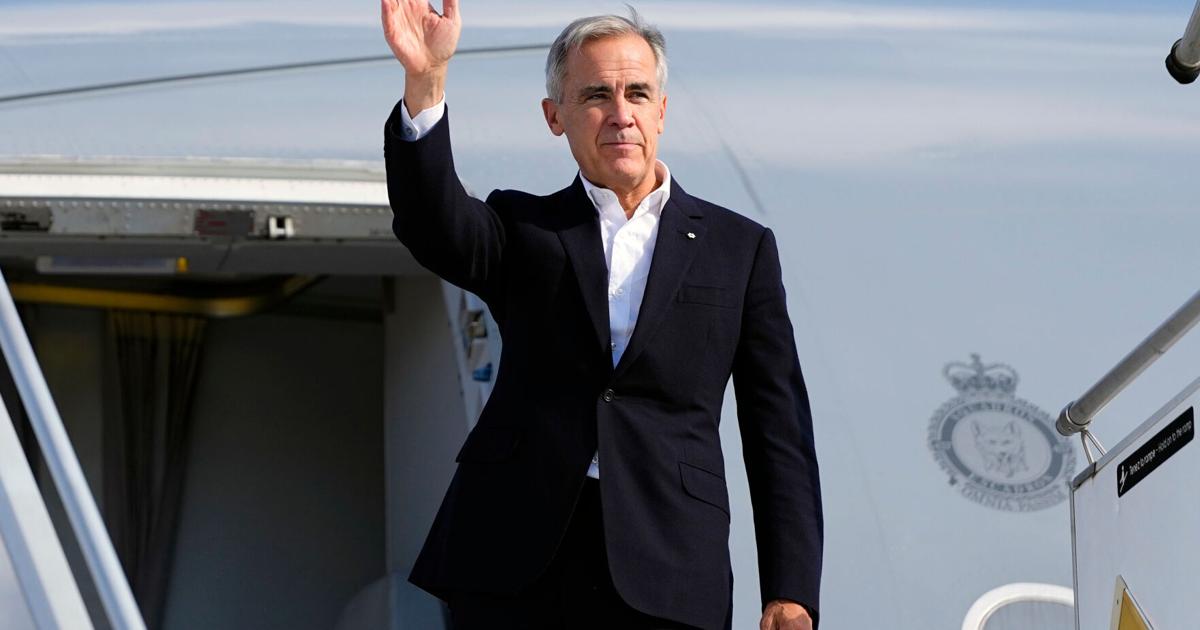
- European Commission President Ursula von der Leyen proposed making Canada the first associate member of the European Union (EU) during her annual address, with Canadian Prime Minister Mark Carney as her special guest.
- The announcement received a standing ovation from lawmakers and dignitaries, and von der Leyen stressed the proposed relationship was not "against anyone."
- Canada and the EU already have a free-trade agreement, though Carney is expected to press the 10 EU countries that have not ratified it; they also deepened security cooperation and Canada participates in the EU's 150-billion-euro defense fund.
- At the World Economic Forum in January, Carney warned about great powers using economic tools as weapons, which has resonated across Europe, with analysts calling him an "honorary hero" for Europeans.
- There is a European realization that Canada should be kept closer, but Carney has made clear Canada does not want full integration with the EU's single market.
- There are concerns that some EU governments were furious about not being consulted, and the associate membership concept is undefined, with it becoming a partisan issue in Canada.
European Commission President Ursula von der Leyen proposed that Canada become the first associate member of the EU, highlighting a shared commitment to democracy. This proposal, made during her annual address with Canadian Prime Minister Mark Carney present, received enthusiastic support from European lawmakers.12
"I would like to work with you on opening the door for Canada to being the first associate member of the European Union," von der Leyen stated, emphasizing that the relationship is not intended to be against any other nation. The proposal aligns with a growing recognition in Europe of the need to strengthen ties with Canada, especially in light of geopolitical tensions.
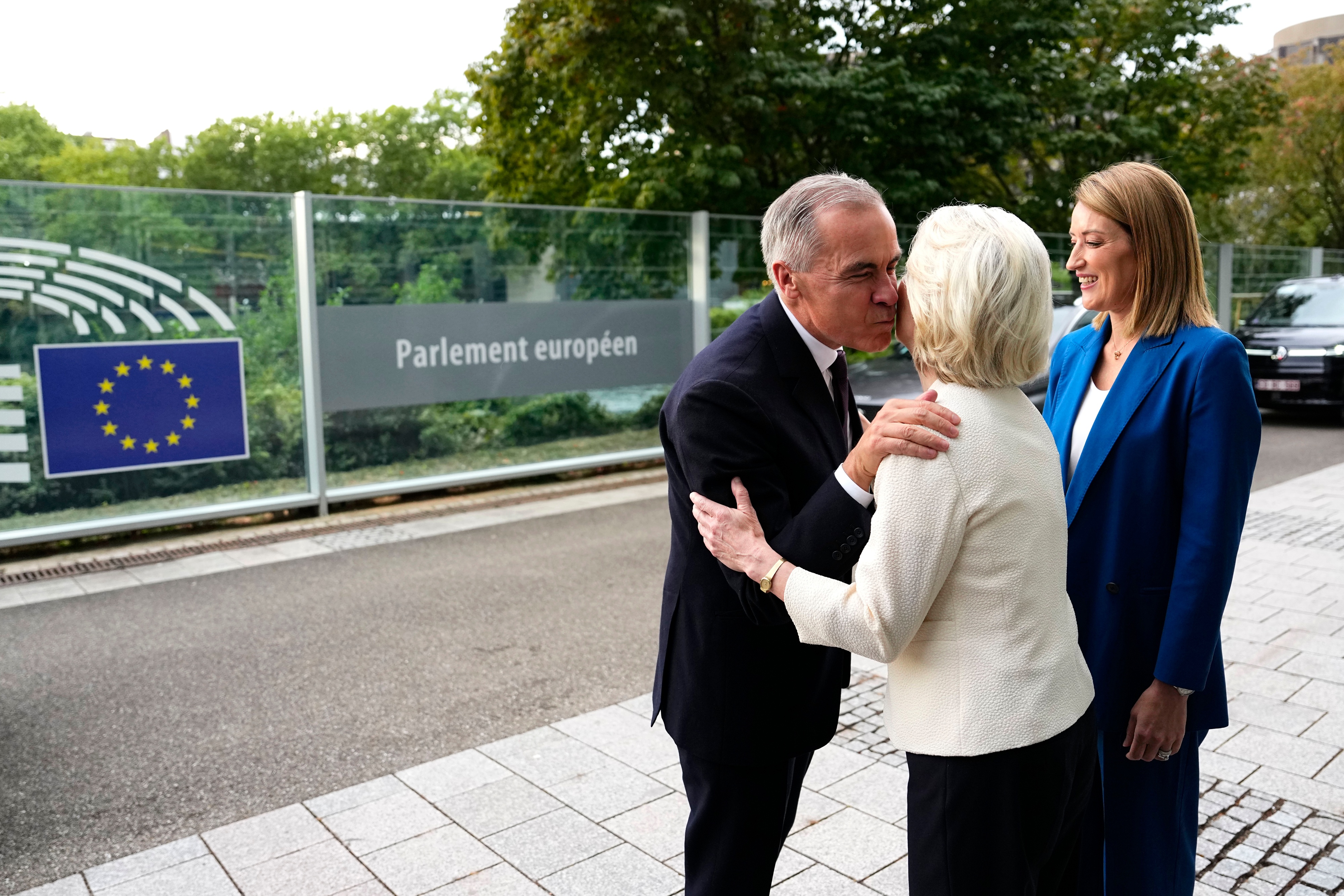
Carney, who has been viewed as a hero in Europe for his stance on economic integration, noted that Canada does not seek full integration with the EU's single market. The two entities already share a free-trade agreement, and Canada has recently participated in EU defense initiatives, further solidifying their partnership.561011
However, the proposal has sparked mixed reactions, with some EU governments expressing frustration over a lack of prior consultation. As the idea of associate membership gains traction, it raises questions about the implications for Canadian sovereignty and the nature of its relationship with the EU.
“There’s a lot of excitement about what associate membership means when it does not in fact exist,” said one analyst, highlighting the complexities of this potential partnership.
The proposal reflects a broader trend of nations seeking closer ties amid global uncertainties, with Canada positioned as a key ally for the EU.
“The proposal drew a standing ovation, but some EU governments were furious they weren't consulted, and the associate membership concept remains undefined. Carney has made clear Canada doesn't want full single-market integration, while pressing 10 EU countries to ratify the existing free-trade agreement.”


 NPR
NPR