- El Niño began forming in June and is expected to peak around December, impacting western Canada, according to Environment Canada research scientist Bill Merryfield.
- The developing El Niño is predicted to be unprecedented, with warming likely to exceed three degrees, a magnitude not observed for at least 100 years.
- There is around a 90 per cent chance winter and spring temperatures on Vancouver Island will be at least one degree above normal, and a 70 per cent chance conditions will exceed anything observed in the last century.
- This could mean another winter of rain but no snow for the mid-Island, further impacting mountain snowpack levels.
- Combined with an expected warmer-than-usual 2027 spring, this could mean more wildfire concerns next summer, unless there is a “good amount” of rain during spring and summer.
An unprecedented El Niño is developing, with forecasts indicating it may exceed three degrees Celsius of warming, a phenomenon not seen in over a century. According to Environment Canada research scientist Bill Merryfield, this El Niño began forming in June and is expected to peak around December.123
Merryfield noted that there is a 90% chance that winter and spring temperatures on Vancouver Island will be at least one degree above normal, with a 70% chance of conditions exceeding anything observed in the last century. This could result in another winter of rain without snow for the mid-Island, further impacting mountain snowpack levels.45
The implications of this warming are significant, as it could lead to increased wildfire risks next summer unless sufficient rainfall occurs during the spring and summer months. Merryfield emphasized that these very strong El Niños typically occur every 10 to 20 years, affecting global weather patterns when ocean temperatures rise more than two degrees above historical norms.

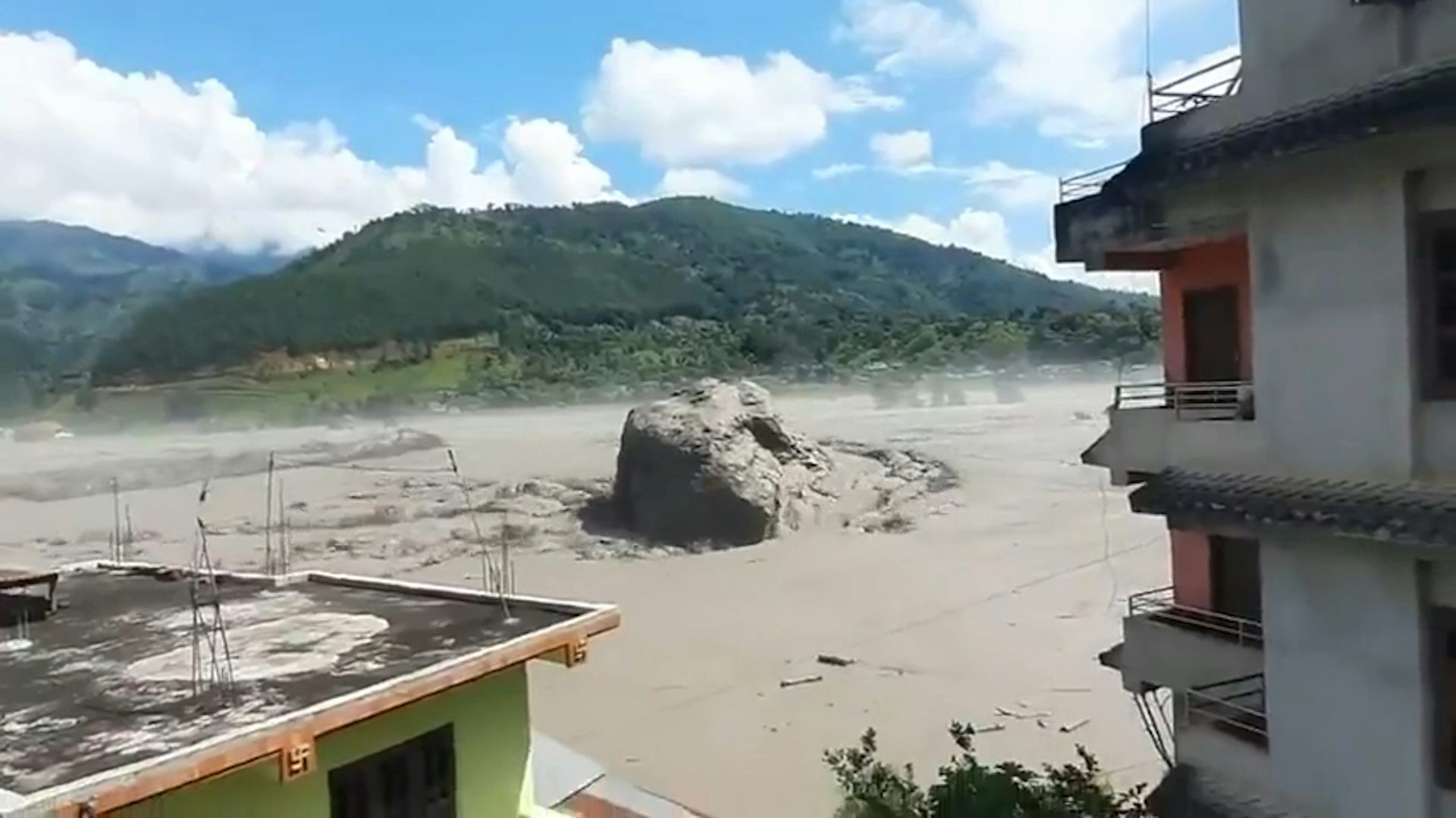
The current El Niño is already causing observable effects worldwide, including droughts in Southeast Asia, wildfires in Indonesia, and severe flooding in coastal areas like Ecuador and Peru. Additionally, marine ecosystems are affected, with ocean temperatures rising by an average of two degrees, disrupting the food chain.
A recent study indicates that El Niños are becoming stronger due to human-caused climate change, with their strength increasing by over 36% since the industrial age began. This trend highlights the urgent need for action against climate change, as Merryfield warns, “There isn’t a magic bullet that’s going to slow El Niños down.”
“Environment Canada's Bill Merryfield says there's a 90% chance Vancouver Island winter and spring temperatures will be at least one degree above normal, and a 70% chance conditions exceed anything in the last century. This could mean more wildfire concerns next summer unless there's a 'good amount' of rain.”