
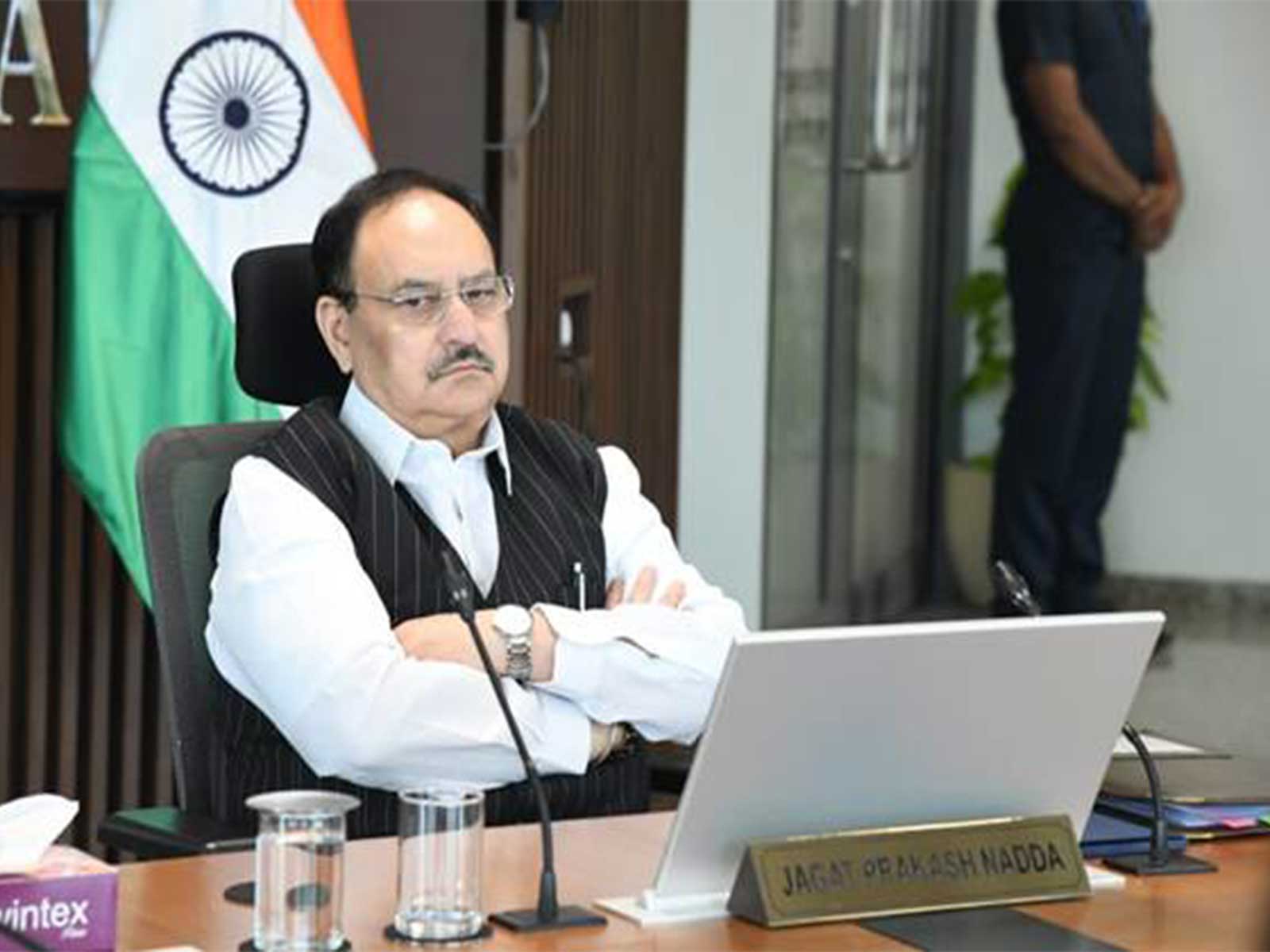
- Union Health Minister J P Nadda released a knowledge paper emphasising the transformative potential of Artificial Intelligence (AI) in medical technology and outlining five key priorities to accelerate responsible AI adoption in India’s healthcare sector.
- The paper, titled ‘AI in MedTech: Revolutionising Healthcare Through Artificial Intelligence’, was unveiled at the 9th edition of India Medical Device 2026, organised by the Department of Pharmaceuticals in association with FICCI at Vigyan Bhawan in New Delhi.
- AI-enabled diagnostics were identified as the first major large-scale application, with the report stating that the technology can extend specialist expertise to primary and secondary healthcare, enhance productivity, and reduce inequalities in healthcare access.
- India has built important foundations for AI adoption through initiatives such as the Ayushman Bharat Digital Mission, IndiaAI Mission, SAHI, BODH, and the National Medical Devices Policy, 2023.
- However, the report states that AI adoption remains constrained by fragmented data, evolving regulations, and limited reimbursement pathways.
Union Health Minister J P Nadda unveiled a knowledge paper titled 'AI in MedTech: Revolutionising Healthcare Through Artificial Intelligence' at the 9th edition of India Medical Device 2026 in New Delhi. The paper, developed by Praxis Global Alliance and FICCI, outlines five priorities for responsible AI adoption in India's healthcare sector.12
The report identifies AI-enabled diagnostics as a significant application, stating that it can extend specialist expertise to primary and secondary healthcare, enhance productivity, and reduce inequalities in healthcare access. It emphasizes the need to address fragmented health data and limited evidence, establish predictable lifecycle-based regulation for adaptive AI, and develop supportive procurement and reimbursement mechanisms.3
India has laid important foundations for AI adoption through initiatives like the Ayushman Bharat Digital Mission, IndiaAI Mission, SAHI, BODH, and the National Medical Devices Policy, 2023. However, the report notes that AI adoption is hindered by fragmented data, evolving regulations, and inadequate reimbursement pathways. It calls for coordinated efforts among government, regulators, healthcare providers, industry, payers, and academia to overcome these challenges.4
The paper highlights India's potential to leverage its software expertise, digital public infrastructure, clinical diversity, and expanding MedTech manufacturing sector to emerge as a global leader in the responsible development and deployment of AI-enabled medical technologies.
“The paper, unveiled at India Medical Device 2026, identifies AI-enabled diagnostics as the first major large-scale application, aiming to extend specialist expertise to primary and secondary care. It also calls for coordinated action among government, regulators, providers, industry, payers, and academia to overcome fragmented data and limited reimbursement pathways.”
 The News Mill



