- The Union Cabinet approved ₹14,500 crore in viability gap funding for 92 GWh of grid-scale energy storage systems between FY27 and FY31.
- The scheme supports development of 92 GWh storage capacity across three technologies: Battery Energy Storage System (30 GWh), Pumped Storage Projects (60 GWh), and Emerging Storage Technologies (2 GW).
- The Union Cabinet also approved a ₹2,814 crore capex support scheme for lithium and nickel processing.
- The scheme emphasizes domestic manufacturing by imposing a minimum Domestic Content Requirement (DCR) of 40 per cent for Battery Energy Storage System projects.
- Processing of critical minerals is geographically concentrated, exposing supply chains to geopolitical disruptions, price volatility, and supply restrictions, threatening supply chain resilience and economic security.
- India is substantially import-dependent for refined intermediates and high-purity materials due to nascent domestic processing for critical minerals including Lithium, Nickel, and Cobalt.

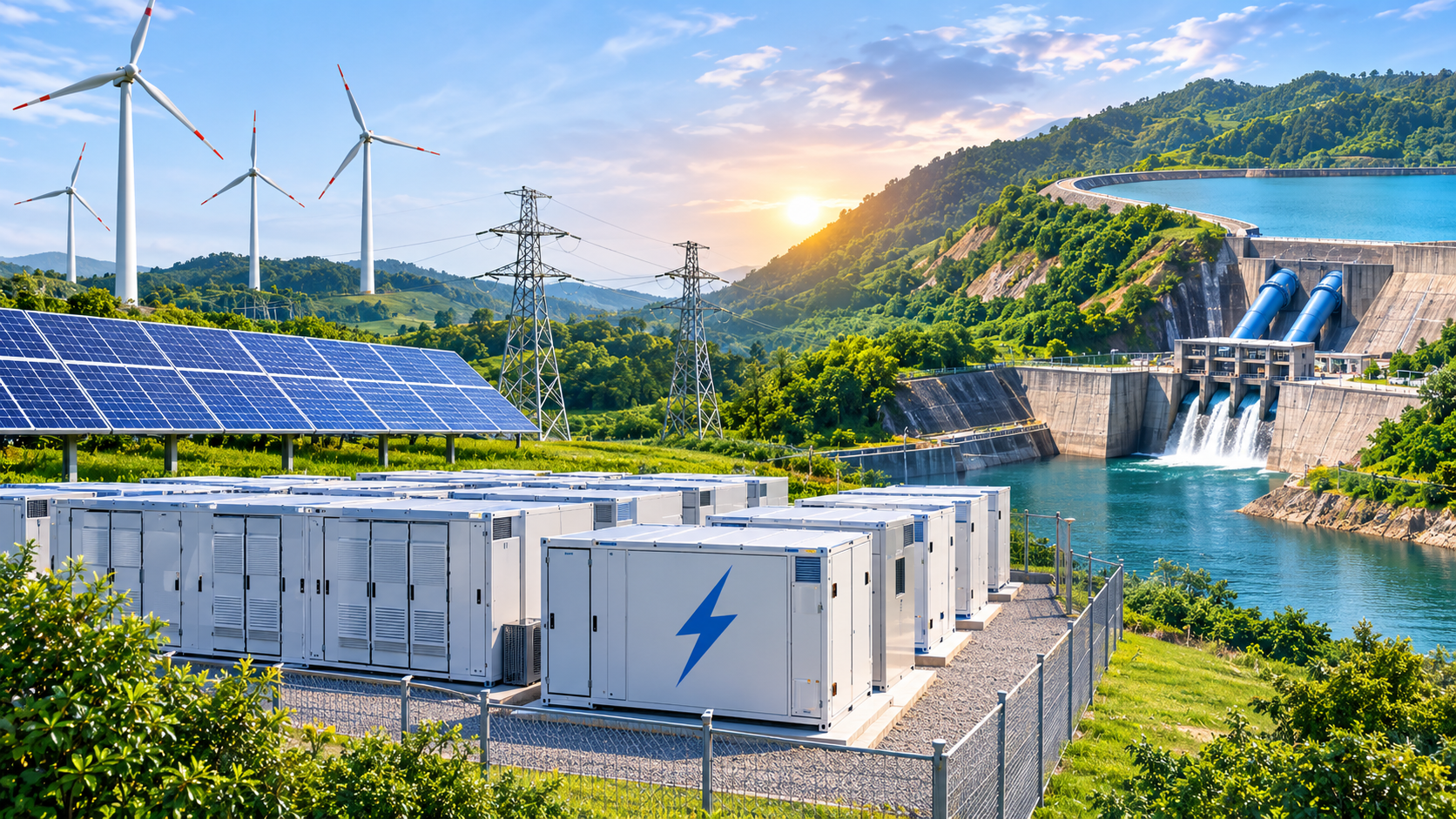
The Union Cabinet's recent approval of ₹14,500 crore for 92 GWh of grid-scale energy storage systems marks a significant step towards India's renewable energy goals. The funding will support projects from FY27 to FY31, aiming to enhance the country's energy storage capacity and resilience.
The scheme includes 60 GWh of Hydro Pumped Storage Projects, 30 GWh of Battery Energy Storage Systems, and 2 GWh of emerging technologies. This capacity addition is projected to be 170% of India's current energy storage capacity, contributing to the estimated requirement of 411 GWh by 2031-32.
In addition, the cabinet approved a ₹2,814 crore Capex Support Scheme to promote domestic processing of critical minerals like Lithium and Nickel. This initiative aims to reduce India's dependence on imports and enhance local manufacturing capabilities, crucial for sectors such as electric mobility and electronics.
The scheme will provide a 30% capital subsidy for establishing processing plants, with a maximum support of ₹500 crore for lithium and ₹900 crore for nickel beneficiaries. The focus on domestic processing is vital for achieving economic sovereignty and ensuring supply chain resilience amidst global disruptions.
Overall, these initiatives reflect India's commitment to advancing its energy infrastructure and securing its position in the global renewable energy landscape.
“The storage scheme targets 60 GWh of pumped hydro, 30 GWh of batteries, and 2 GWh of emerging tech, potentially attracting ₹97,600 crore in investment. The mineral processing plan offers 30% capital subsidy for four plants, capped at ₹500 crore per lithium and ₹900 crore per nickel beneficiary.”

 DD India