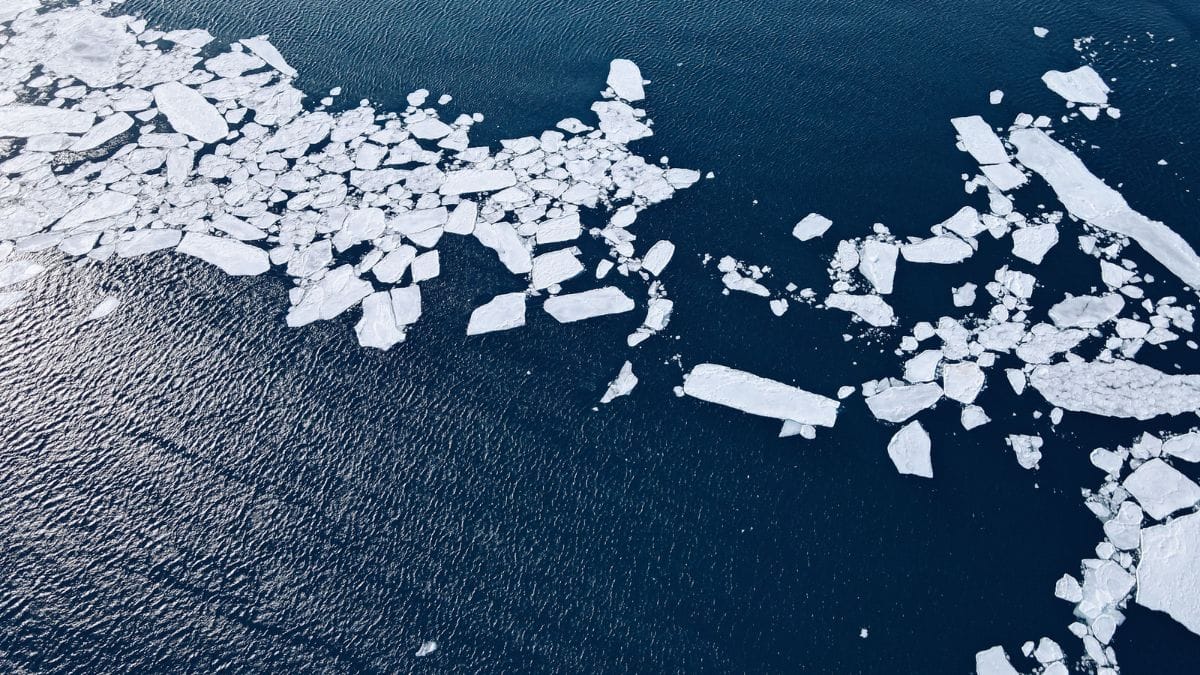
- The UN Environment Programme (UNEP) warns that crossing 1.5°C of global warming is increasingly unavoidable, but it is not a point of no return; the world can still limit how high temperatures rise, adapt, and eventually bring warming back down.
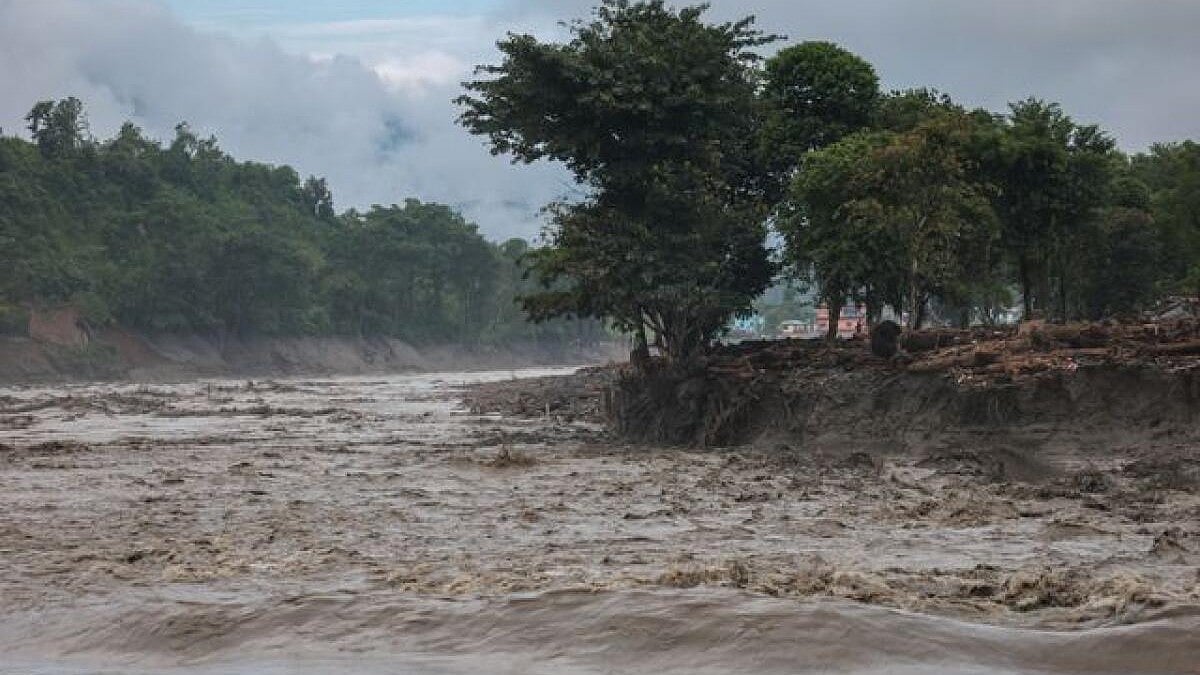
- The World Bank reports that more than 80% of India's population lives in districts at risk from climate-induced disasters, including extreme heat, floods, droughts and cyclones.
- Uncompensable heat stress is spreading across India and could increasingly affect the monsoon months, not just summer.
- COP31 in Antalya, Turkiye, from November 9 to 20, 2026, carries additional focus and importance, as countries will need to turn climate promises into deeper emissions cuts while strengthening adaptation and climate finance for vulnerable nations.
- ICIMOD reported in 2026 that glacier ice-loss rates across the region are accelerating, posing severe risks to mountain communities.
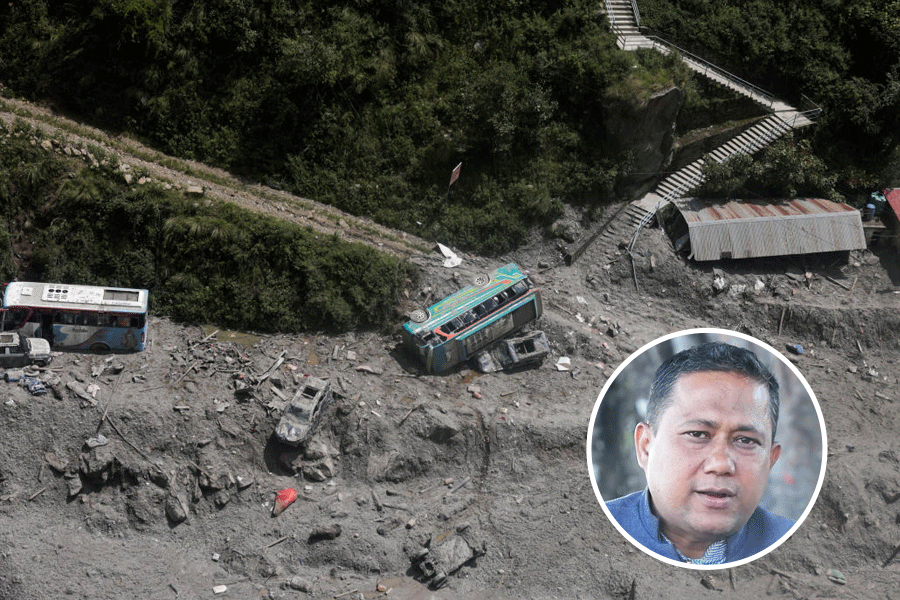
- A disaster that took the lives of more than 1,000 people is an example of climate injustice facing the Global South, as countries like Nepal have made negligible contributions to global emissions yet face severe climate risks.
The UN Environment Programme (UNEP) has indicated that the world is approaching a critical juncture where crossing the 1.5°C threshold of global warming is becoming increasingly unavoidable. However, UNEP emphasizes that this does not signify a point of no return, as there remains an opportunity to limit temperature increases and adapt to the resulting damage.1
The World Bank highlights that over 80% of India's population resides in districts vulnerable to climate-induced disasters, including extreme heat, floods, droughts, and cyclones. This alarming statistic underscores the urgent need for adaptation strategies in the face of escalating climate risks.2
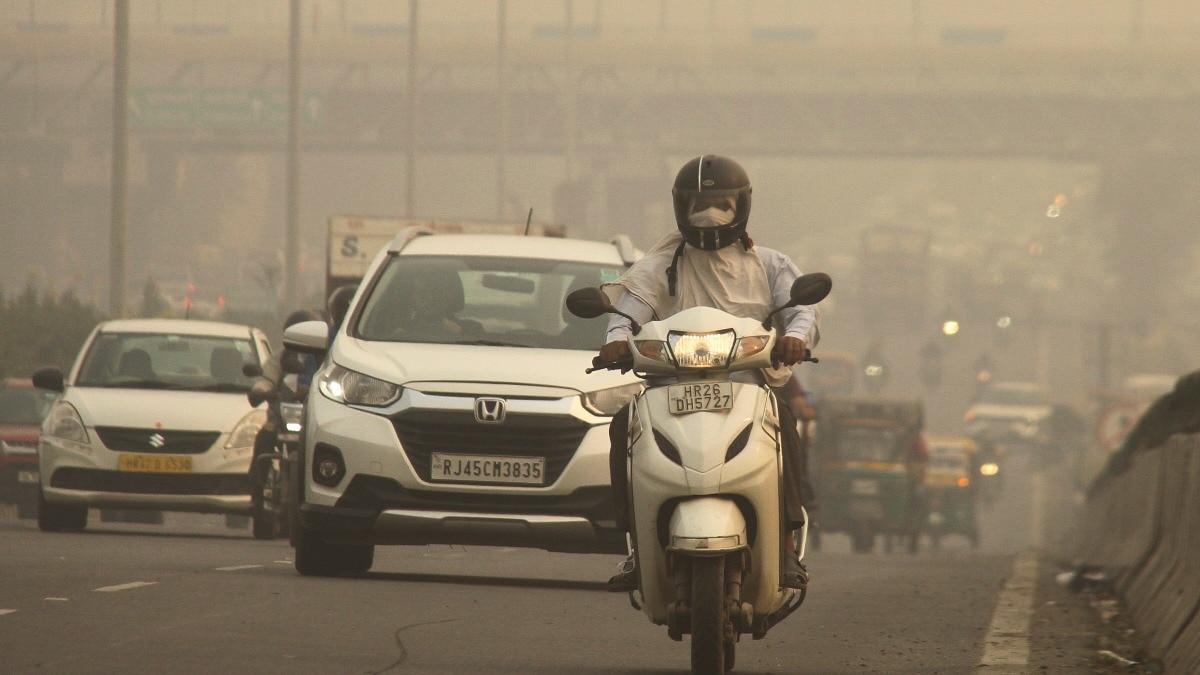
India's climate challenges are compounded by rising temperatures; the country's average summer maximum temperature has increased by approximately 1°C from 1981 to 2020, with a notable rise in the frequency, duration, and intensity of heatwaves. Furthermore, the phenomenon of uncompensable heat stress is spreading, posing severe risks not only during summer but also affecting the monsoon months.3
The 1.5°C threshold serves as a critical warning, indicating that every fraction of warming avoided translates to reduced heat, less water stress, and fewer climate risks. As nations prepare for COP31 in Antalya, Turkiye, from November 9 to 20, 2026, the focus will be on transforming climate promises into actionable emissions cuts and enhancing support for vulnerable nations, a point emphasized by India during the last climate talks at COP30 in Brazil.456
“Uncompensable heat stress, where the body cannot cool itself, is spreading across India and may now hit monsoon months, not just summer. ICIMOD reported in 2026 that glacier ice-loss rates are accelerating, threatening mountain communities, while COP31 in Antalya, Turkiye, from November 9-20, 2026, will focus on turning promises into deeper cuts.”